Global Enterprise logo
BROUGHT TO YOU BYsc logo

China, North America dominate global wealth growth in 2021, but inequality widening

Kelly Ng
Kelly Ng

Published Tue, Sep 20, 2022 · 06:30 PM
    • NORTH America and China dominated wealth gains in 2021, with North America bringing in a little over half of the global growth in wealth and China adding another quarter.
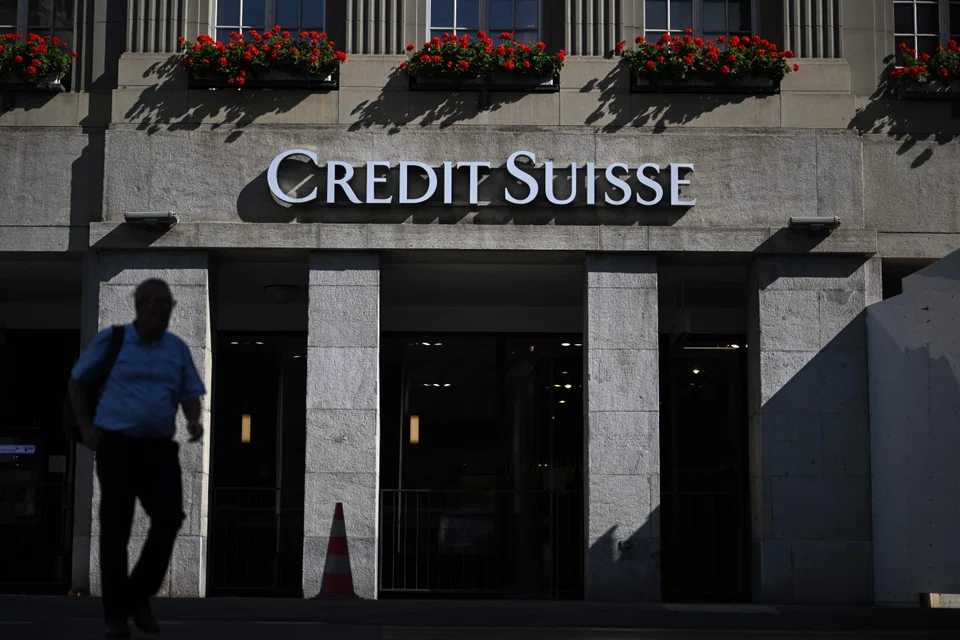
    • NORTH America and China dominated wealth gains in 2021, with North America bringing in a little over half of the global growth in wealth and China adding another quarter. PHOTO: AFP

    NORTH America and China dominated wealth gains in 2021, with the former bringing in a little over half of the global growth in wealth and China adding another quarter.

    In contrast, Africa, Europe, India, and Latin America accounted for just 11.1 per cent of global wealth growth, according to Credit Suisse’s global wealth report released on Tuesday (Sep 20).

    As a whole, aggregate global wealth totalled US$463.6 trillion as at the end of 2021, representing a rise of 9.8 per cent, or US$41.5 trillion. Wealth per adult, globally, was up 8.4 per cent to reach US$87,489 at year-end.

    North America and China recorded the highest growth rates across the year, at slightly above 15 per cent, while the 1.5 per cent growth in Europe was by far the lowest among the 7 regions studied in the report.

    India logged 12 per cent growth while Asia-Pacific (excluding China and India) saw 1.5 per cent growth.

    The report’s authors noted that overall wealth gains in 2021 are “exceptional and unlikely to be repeated in the near future”. They expect global wealth to grow by 36 per cent or US$169 trillion by 2026, driven by wealth increases in middle-income countries.

    Asean Intelligence

    Get insights into businesses across South-east Asia

    Get the free report

    The wealth share of the top 1 per cent rose for a second year running to 45.6 per cent in 2021, up from 43.9 per cent in 2019. The authors attributed this rise in inequality to the surge in value of financial assets during the pandemic. Lower interest rates may also have encouraged asset price inflation, they noted.

    China’s dominance is again seen in the growth of those in the middle (US$10,000 to US$100,000) and upper-middle (US$100,000 to US$1 million) wealth segments. China accounts for some 38 per cent of total membership in these 2 segments, compared to 9 per cent from India, 7 per cent from Latin America, and 4 per cent from Africa.

    The United States saw the largest increase in the number of ultra-high-net-worth individuals, or those with wealth above US$100 million as at end-2021, at 30,470, followed by China at 5,200.

    Comparing the regions over time, inequality widened the most in China, even as the country has logged the fastest median wealth growth of any region.

    Median wealth in China has risen more than eightfold from US$3,133 in 2000 to US$26,752 last year. This works out to an average 10.8 per cent annual growth rate in median wealth.

    However, this lagged the growth in wealth per adult, which rose more than tenfold over the same period, resulting in median wealth falling from 46.7 per cent of mean wealth in 2000, to 36.9 per cent in 2021.

    China’s Gini index rose by an average of 0.8 per cent annually over the 21-year period, representing the largest growth of the income distribution metric across the 7 regions.

    Median wealth refers to the wealth level that divides the population into 2 equal groups, with half possessing wealth above that level and half possessing wealth below that level. Wealth per adult, or mean wealth, refers to the average wealth of residents in the region.

    In North America, where the growth in median wealth also lagged that in wealth per adult, median wealth fell from 22.4 per cent of mean wealth in 2000 to 17 per cent in 2021. The Gini index rose by an average of 0.2 per cent annually over the same period.

    In India, too, median wealth fell from 29.7 per cent of mean wealth to 22.3 per cent of mean wealth across the same period, while the Gini index increased by an average of 0.5 per cent annually.

    In contrast, in regions like Africa, Europe and the Asia-Pacific (excluding China and India), a combination of robust wealth growth and falling inequality resulted in median wealth rising over the same period.

    Decoding Asia newsletter: your guide to navigating Asia in a new global order. Sign up here to get Decoding Asia newsletter. Delivered to your inbox. Free.

    Copyright SPH Media. All rights reserved.