



China pledges to maintain fiscal stimulus to support growth next year
Policymakers will flexibly deploy tools including cuts to banks’ reserve requirement ratios and interest rates

[BEIJING] Chinese leaders promised on Thursday (Dec 11) to maintain a “proactive” fiscal policy next year that would stimulate both consumption and investment to maintain high economic growth, which analysts expect Beijing to target at roughly 5 per cent.
Those pledges were published in a readout by state news agency Xinhua of the annual Central Economic Work Conference held from Dec 10 to Dec 11, a key gathering of the Communist Party to set the policy agenda and targets for next year.
The prospect of forceful fiscal stimulus could ease worries over the slowdown seen in the second half of the year in almost every area of the economy that is not contributing to China’s trillion-US dollar trade surplus.
But the dual, contradictory, focus on consumption and investment cements concerns that Beijing is not yet ready to shift from a production-driven economic model to one that leans more on household spending – a decades-old imbalance that many economists say threatens long-term growth for the sake of maintaining a high, short-term pace.
Action to boost income and consumption
The meeting promised “in-depth implementation of special actions to boost consumption” and “plans to increase the income of urban and rural residents” in order to “unleash the potential for services consumption,” according to Xinhua.
“The contradiction between strong domestic supply and weak demand is prominent,” the readout said.
Still, the statement suggested this contradiction was here to stay into 2026, as the leadership also promised to revive investment after a slump in the second half of the year – a policy path that analysts blame for directing resources towards the export-focused manufacturing sector that could otherwise be used to bolster the social safety net and the household sector.
“This year’s Economic Work Conference seems more concrete on consumption,” said Minxiong Liao, senior economist at GlobalData.TS Lombard APAC.
“Fiscal policy is expected to directly stimulate consumption through subsidies and income-boosting plans (such as encouraging the purchase of existing housing stock for use as affordable housing).”
SEE ALSO


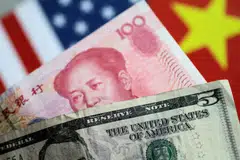
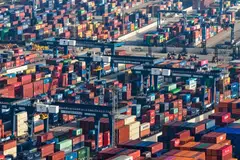


At CEWC, Beijing sets targets for economic growth, the budget deficit, debt issuance and other variables for the year ahead. The targets are agreed at the meeting, but won’t be officially released until an annual parliament meeting in March.
China is likely to stick to its current annual economic growth target of around 5 per cent next year, government advisers and analysts said, a goal that would require authorities to keep fiscal and monetary spigots open as they seek to snap a deflationary spell.
China is widely expected to roll out stronger fiscal stimulus next year, keeping its budget deficit target near current levels – or raising it slightly – alongside increased debt issuance, analysts said. China set a record budget deficit target of around 4 per cent of GDP this year to support its growth goal.
Chinese economy resilient in face of tariffs
Policymakers will flexibly deploy tools including cuts to banks’ reserve requirement ratios and interest rates, according to the readout.
China’s economy has shown remarkable resilience this year in the face of higher trade tariffs imposed by Washington, having diversified its export markets away from the US even though it ultimately benefits from the US role as the main source of demand in the global economy.
Its trillion-US dollar-a-year trade surplus, however, is stirring tensions with Europe and other trade partners, and drawing criticism from the International Monetary Fund and other observers who say its production-focused economic growth model is unsustainable. REUTERS
Decoding Asia newsletter: your guide to navigating Asia in a new global order. Sign up here to get Decoding Asia newsletter. Delivered to your inbox. Free.
Share with us your feedback on BT's products and services
TRENDING NOW

Government to bring forward raising of retirement age, give employers more financial support to create flexi-load jobs
Former minister Maliki Osman, Revolut chairman join Asia Gulf Holdings advisory board

Is Manila Asia’s new dining hot spot?

Simba at risk of losing operating licence over spectrum misuse

