



China selects Martell, Hennessy, Remy Martin brandies as part of anti-dumping probe
 Add BT as a preferred source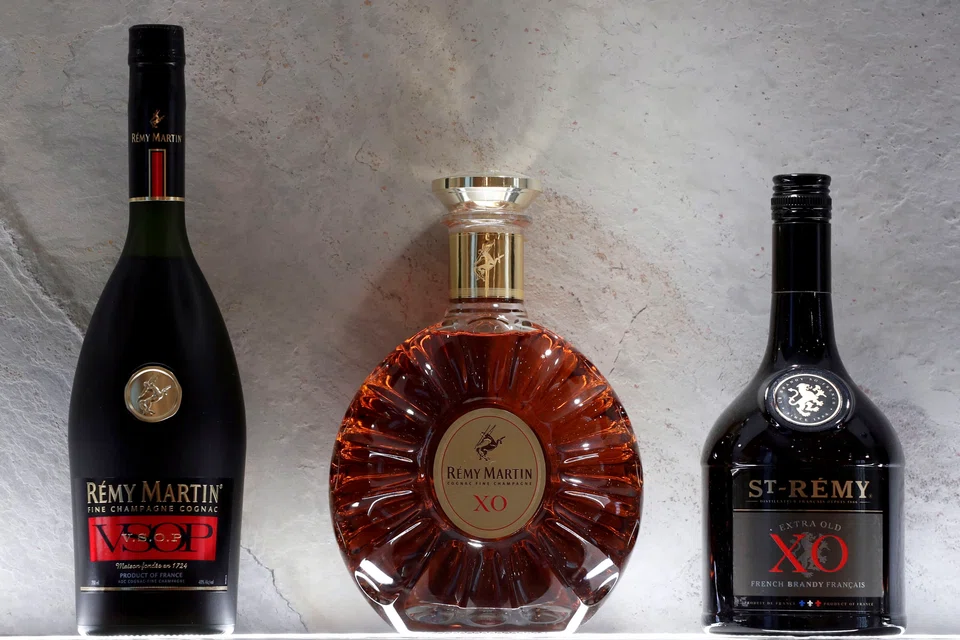
DeeperDive is a beta AI feature. Refer to full articles for the facts.
CHINA’S commerce ministry said on Tuesday (Mar 12) it plans to select Martell, Societe Jas Hennessy and E Remy Martin as sample companies for an anti-dumping investigation into brandy imported from the European Union.
The companies did not immediately respond to a Reuters request for comment.
The ministry launched the anti-dumping investigation in January in a move seen to be targeting France, which accounts for 99.8 per cent of all EU brandy exports, according to Chinese customs data.
China’s brandy probe is one of a number of trade disputes between Beijing and Brussels, with both sides exchanging accusations of unfair competition and protectionism.
The European Union, for its part, has opened investigations into new energy vehicles as well as biodiesel imported from China.
France’s cognac industry association said in January it would fully cooperate with Chinese authorities but it believes the probe is linked to a broader trade row rather than the liquor market.

Navigate Asia in
a new global order
Get the insights delivered to your inbox.
“We are confident that our products and commercial practices fully comply with Chinese and international regulations,” the Bureau National Interprofessionnel du Cognac (BNIC) said in a statement to Reuters at the time.
It did not immediately respond to a request for comment on the latest developments in the investigation on Tuesday. REUTERS
Decoding Asia newsletter: your guide to navigating Asia in a new global order. Sign up here to get Decoding Asia newsletter. Delivered to your inbox. Free.
Share with us your feedback on BT's products and services
TRENDING NOW

Air India asks Tata, Singapore Airlines for funds after US$2.4 billion loss
‘Boring’ is the new black: The stars are aligning for a Singapore stock market revival

From 1MDB to ‘corporate mafia’: Is Malaysia facing a new governance test?

South-east Asian markets account for 8.8% of global capital inflows from 2021 to 2024: report

