


China signals it will accept some US tariff increase in talks
It is a sign that ties between the world’s two largest economies are further stabilising
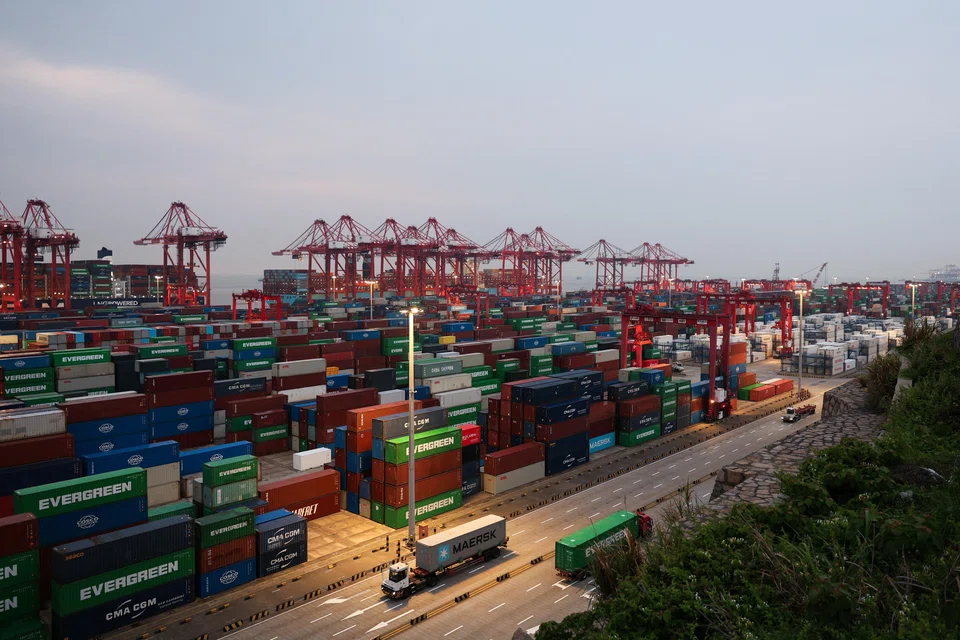
[BEIJING] China indicated it would accept some increase in US tariffs to a level agreed upon last year and would continue talks to extend a trade truce – a sign ties between the world’s two largest economies are further stabilising.
“We hope that the US will honour its commitments and that, regardless of the reasons given for imposing or replacing tariffs on China in the future, the level of US tariffs on China will not exceed the level” agreed upon at negotiations in Kuala Lumpur back in October, the Commerce Ministry in Beijing said in a statement on Wednesday (May 20).
Trade teams from both countries would discuss extending the one-year agreement worked out at the time, the ministry said.
The sweeping pact was later unveiled at a leaders’ summit in Busan, South Korea, leading to a suspension of some tariffs, rare earth curbs and investigations into China’s shipbuilders until November this year.
Working toward an extension “aligns with the two countries’ common interest, as well as international expectations”, it said.
The ministry’s comments are a reason for cautious optimism that the one-year cessation in trade hostilities clinched by Chinese president Xi Jinping and his US counterpart Donald Trump will remain in place.
Trump’s visit to Beijing last week for a summit with Xi saw the two countries agree to a new relationship centered on stability, although it was marked by a stark warning from Beijing over how the US deals with Taiwan.
The ministry’s statement signals Beijing would accept US tariffs provided they do not exceed the level agreed in Malaysia that brought the effective rate to about 30 per cent. That was later reduced to an estimated 21 per cent after some tariffs were struck down by the Supreme Court.
The Trump administration has sought new Section 301 investigations to return levies to the level before the court ruling. Treasury Secretary Scott Bessent has said those tariffs may be restored by July. Chinese Commerce Minister Wang Wentao previously raised serious concerns over the probes.

In the Wednesday statement, the ministry also said the US should further remove unilateral tariffs upon follow-up talks to “create favourable conditions for expanding economic and trade cooperation.”
The benchmark CSI 300 Index of Chinese stocks erased a drop to end the day little changed.
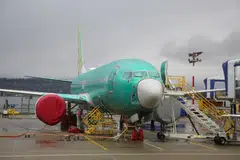
The Commerce Ministry listed other areas of agreement, including China’s purchase of 200 Boeing aircraft and the creation of mechanisms to manage trade and investment to institutionalise bilateral discussions.
It confirmed that the Board of Trade will seek to cut tariffs on at least US$30 billion worth of goods. That amounts to about 7 per cent of Chinese exports to the US last year. The board also set guidance targets on expanding bilateral agriculture trade.
The US said in a fact sheet earlier that China has agreed to buy at least US$17 billion of agricultural products annually through 2028, in addition to soybean-purchase commitments made last fall.
The readout also mentioned that both countries discussed the flows of critical rare earth materials, reiterating that Beijing will approve compliant, civilian applications. The US said earlier China would address its concern on supply shortages and export restrictions tied to rare earths and other critical minerals.
In addition to the measures disclosed on Saturday, China will also start communicating with the US on agriculture biotechnology, and send technical teams to the US to inspect some beef plants.
China typically brings in billions of farm goods, though that slowed sharply last year.
US agricultural exports to China in 2024 were valued at US$24 billion, half of which were soybeans, according to US Department of Agriculture data. Overall shipments to China fell to US$8.3 billion in 2025 after the trade dispute ratcheted up. BLOOMBERG
Decoding Asia newsletter: your guide to navigating Asia in a new global order. Sign up here to get Decoding Asia newsletter. Delivered to your inbox. Free.
Share with us your feedback on BT's products and services
TRENDING NOW

DBS, OCBC, UOB rout lops billions off STI as inflation, rate concerns spook investors

Grab CEO’s wife Chloe Tong on life with Anthony Tan and finding her purpose

OCBC sheds S$8 billion in value as shares close nearly 6% down; analysts cautious on banks

Deal between tycoon friends sparks scrutiny of Philippine power sector

