



China's cosmetics market projected to grow 8.3% CAGR through 2025: GlobalData

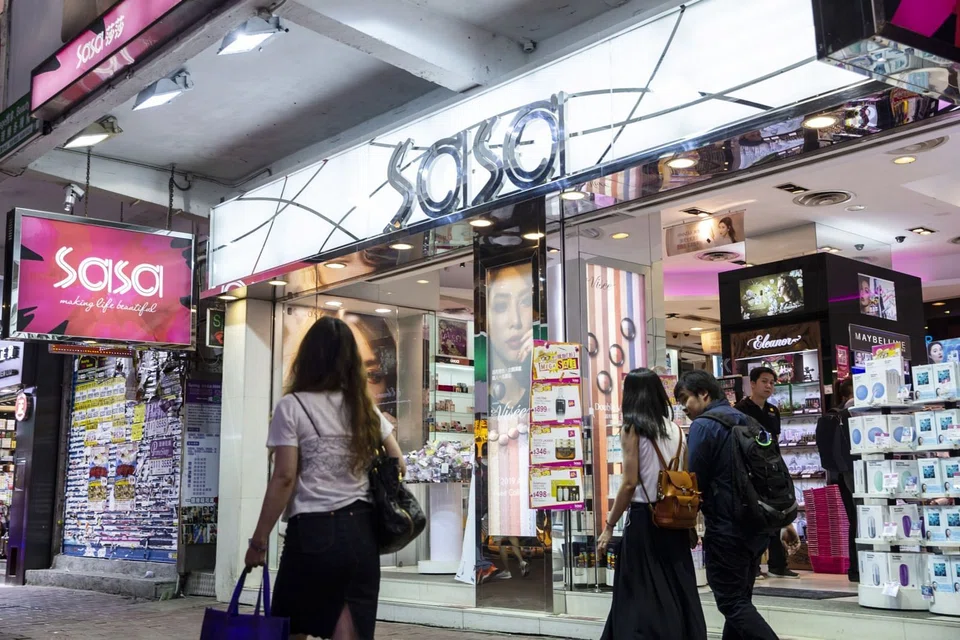
THE Chinese make-up market is projected to grow from 40.8 billion yuan (S$8.5 billion) in 2020 to 60.8 billion yuan by 2025 at a compound annual growth rate (CAGR) of 8.3 per cent, according to data and analytics company GlobalData.
This will be driven mainly by the face make-up category, which is forecast to register the fastest CAGR of 9.2 per cent over the five-year period, followed by eye make-up, projected to record a CAGR of 7.9 per cent.
E-retailers were the leading distribution channel in the Chinese make-up market, accounting for a value share of 36.7 per cent in 2020, followed by department stores and hypermarkets & supermarkets, with a share of 22.5 per cent and 13.8 per cent, respectively.
"Going forward, prestige cosmetics brands are expected to unveil novel online/digital engagement concepts to make the online shopping experience just as entertaining, personalised and interactive as the in-store experience. This digitalisation push is critical for premium beauty brands to dilute their geographic and distribution risk and build resilience against events such as the economic recession, the US-China trade war and the Covid-19 pandemic," said Bobby Verghese, consumer analyst at GlobalData.
Also worth noting is that luxury brands are shifting their focus from colour cosmetics to premium skincare and home-based beauty treatments.
"Prestige cosmetics brands were among the worst hit by the multiple lockdowns, prolonged closure of beauty retailers and beauty salons along with travel bans. Nevertheless, there was a resurgence in premium and prestige cosmetics, which can be largely attributed to the affluent youth splurging on luxury goods to engage themselves as they were unable to travel or dine out due to the Covid-19 pandemic containment measures," said Mr Verghese.
Japanese multinational cosmetics giant Shiseido Company, for instance, took the market by surprise when it announced plans to narrow its focus on high-end skincare to regain profitability by 2023. Since divesting a number of low-cost cosmetics and personal care brands in the first half of 2021, its revenues in the Asia-Pacific region excluding Japan rose by 6 per cent, and operating profit by 67 per cent in Q1 2021.
Other multinational players including AmorePacific, L'Oréal, L'Occitane, Estée Lauder and SK-II also reported stronger H1 2021 results underpinned by robust sales of high-end skincare.
According to data from GlobalData's Q2 2021 consumer survey, 40 per cent of respondents from China with annual household income higher than 200,000 yuan said they purchase beauty and grooming products online direct from the brand.
Decoding Asia newsletter: your guide to navigating Asia in a new global order. Sign up here to get Decoding Asia newsletter. Delivered to your inbox. Free.
Copyright SPH Media. All rights reserved.
TRENDING NOW

Singapore identifies 7 firms responsible for haze fires, notices issued urging action: Grace Fu

‘How many will survive?’: Bubble fears arise as China’s humanoid robotics face reality check

GIC-backed Bank Jago sees wealth management as next growth engine as Indonesian investor base grows

Ageing in Asia: Huge potential for the consumer economy

