



China’s factory activity contracts for second month in November
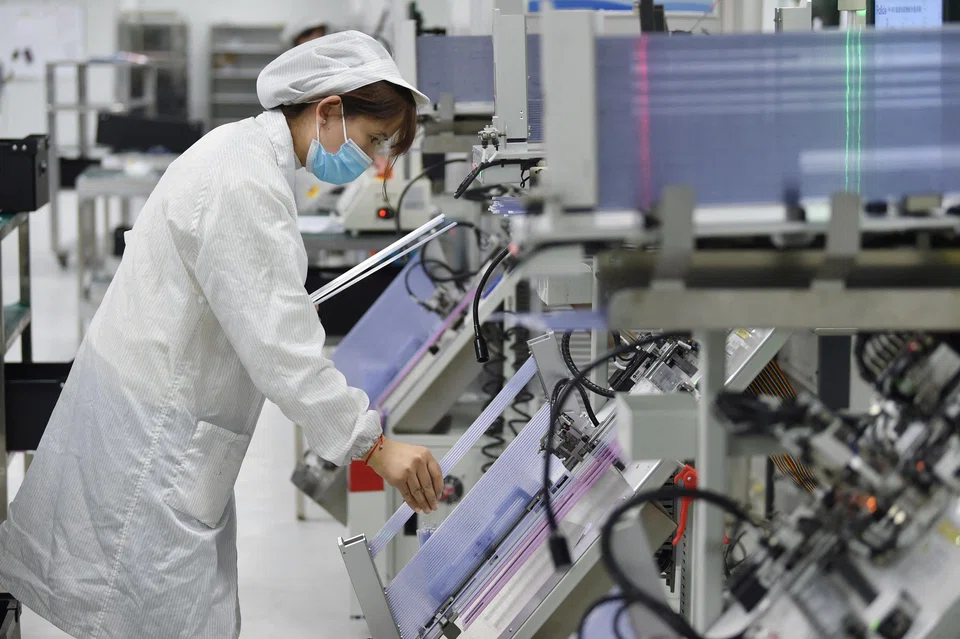
CHINA’S manufacturing activity contracted for a second straight month in November and at a quicker pace, an official factory survey showed on Thursday, suggesting more government policy support measures are needed to help shore up economic growth.
The official purchasing managers’ index (PMI) fell to 49.4 in November from 49.5 in October, staying below the 50-point level demarcating contraction from expansion. Analysts polled by Reuters had expected a reading of 49.7.
China’s economy has struggled this year to mount a strong post-pandemic recovery, held back by a deepening crisis in the property market, local government debt risks, slow global growth and geopolitical tensions.
A flurry of support measures has had only a modest effect, raising pressure on authorities to roll out more stimulus.
China’s central bank governor on Tuesday said he was “confident that China will enjoy healthy and sustainable growth in 2024 and beyond,” but urged structural reforms to reduce reliance on infrastructure and property for growth.
The patchy recovery has prompted many analysts to warn that China may decline into Japanese-style stagnation later this decade unless policymakers take steps to reorientate the economy towards household consumption and market-allocation of resources.
Policy advisers say the government will need to implement further stimulus should it wish to sustain an annual economic growth target of “around 5 per cent” next year, which would match this year’s goal.
But the central bank is constrained when it comes to implementing further monetary stimulus over concerns a widening interest rate differential with the West may weaken the currency and spur capital outflows.
In October, China unveiled a plan to issue 1 trillion yuan (S$185 billion) in sovereign bonds by the end of the year, raising the 2023 budget deficit target to 3.8 per cent of GDP from the original 3 per cent.
SEE ALSO




China’s economy grew at a faster-than-expected clip in the third quarter, but the protracted property crisis remains a major drag on the economy, while slowing global growth is hurting exports and adding to the challenges for authorities trying to spur momentum.
A separate PMI reading on the non-manufacturing sector also weakened, to 50.2 from 50.6 in October. REUTERS
Decoding Asia newsletter: your guide to navigating Asia in a new global order. Sign up here to get Decoding Asia newsletter. Delivered to your inbox. Free.
Share with us your feedback on BT's products and services
TRENDING NOW

GCash parent Mynt rises in market debut after South-east Asia’s top 2026 IPO

In the age of AI, what is a university education for?

Singapore to use ‘every legal and regulatory lever’ against companies linked to haze: Shanmugam

‘IPOs are not the only vehicle’: KKR heads for record exits even as firms stay private for longer

