


China’s property sector a bubble that needed bursting: Hong Kong property broker Centaline
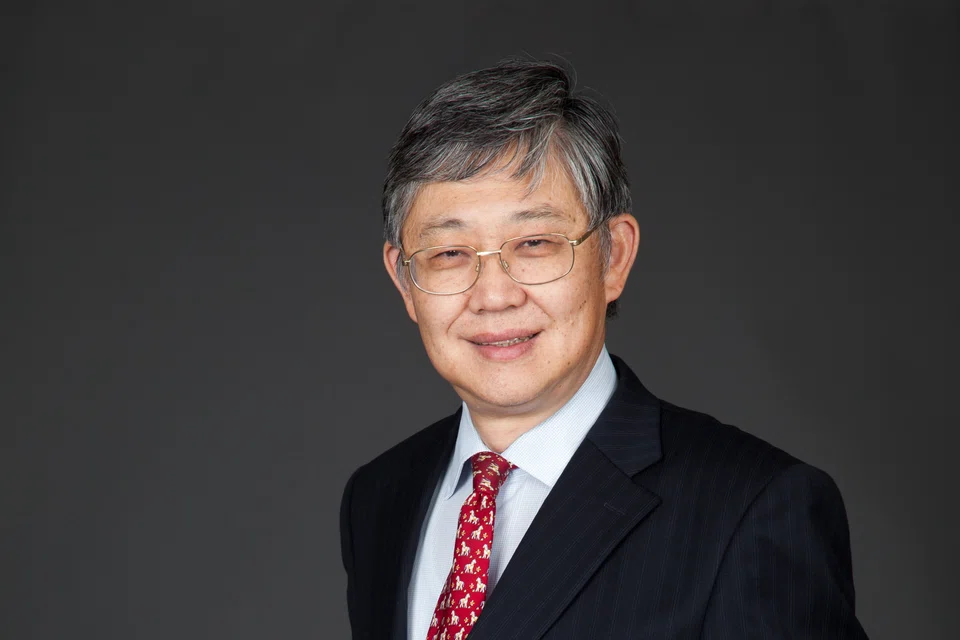
[HONG KONG] A slump in China’s property prices has left Hong Kong-based Centaline Group with a pile of unpaid agent commissions, and the company’s co-founder and chairman Shih Wing Ching is not sure how much he can do about it.
China’s property market has all the classic signs of a bursting bubble, he added, and supply needs to be cut.
Centaline is one of Hong Kong’s largest property brokerages. After 1998, when Hong Kong was handed back to China, it crossed the border to operate in the mainland. It quickly became one of China’s largest players, too, with more than 50,000 local agents stationed in offices across 30-plus cities at one point.
This army of small agents sells flats directly to homebuyers on behalf of developers, earning a commission on each successful transaction. Centaline pays them a basic salary, the equivalent of the local minimal wage plus social security and income tax, but sales commissions comprise the bulk of their income.
The steep decline in the fortunes of mainland property developers, however, has left behind a mountain of debt. Centaline is owed two billion yuan (S$376.3 million) in unpaid commissions to its agents, more than half of which is due to its Shenzhen office.
“It’s not just our Shenzhen branch that’s owed unpaid commissions. These developers operate everywhere nationwide,” Shih said. “We have encountered such problems in all cities we operate in.”
Speaking to The Business Times in an interview at his office in Hong Kong, Shih said some of this two billion yuan has been written off as bad debt; some is tied up in court cases. His network of sales agents has shrunk to 30,000 in 20-plus cities.
Shih said overdue commissions are a recurring headache in the industry, but the problem was exacerbated by the Covid-19 pandemic. “At the beginning of 2022, we found it had become serious. Covid and the shutdowns had worsened the situation,” he said; noting that this occurs everywhere, but is more frequent in China.
Some commissions have been overdue for more than three years. Centaline normally mounts legal action after one year. Chinese developers, however, threatened that Centaline would be excluded from future business contracts if it pursued these cases. Given the heft and scale of these developers, some Centaline offices caved to the pressure.
Shih had kept the matter of unpaid commissions private until August, when the company’s disgruntled mainland staff circulated online an internal document about Centaline’s lawsuits in Shenzhen against developers.
Evergrande, Kaisa, Baoneng, Shimao and Longan were among those named in the suits involving unpaid commissions totalling more than one billion yuan. Centaline later confirmed the authenticity of the document to local media.
Shih said obtaining legal redress through the courts is not promising. In Shenzhen, cases involving 535 million yuan have landed in court. Verdicts in cases with an aggregate value of 400 million yuan favoured Centaline. Rulings for the remaining disputed sum are pending. How to enforce the rulings remains an open question.
After Centaline won lawsuits against China Evergrande in Wuhan more than two years ago, the local court froze Evergrande’s local bank accounts. Then came an intervention by the Guangdong government, mandating that all Evergrande’s legal issues be centralised and managed in Guangzhou. Centaline has yet to see payment from the company.
Recently, the central government has decreed that developers first meet their obligations to homebuyers by completing the construction of pre-sold flats.
Any remaining funds go towards repaying banks and financial institutions. Last in the pecking order are the remaining debtors, including industry contractors and service suppliers such as Centaline.
Shih is not optimistic: “It won’t be solved easily.”
The mainland market has all three features typical of a housing bubble, Shih said: It is overbuilt, overleveraged and overpriced.
In Hong Kong, his home city, housing is merely overpriced. This, he said, is thanks to the Hong Kong government’s eight-year ban on land sales to pull its property market out of a post-1997 stagnation. He hoped the mainland would take a similar approach.
“The first thing should be to reduce supply by banning local governments from selling land,” he said. “So much money is trapped in all this. Continuing the sale of land would only make matters worse. Banning land sales would allow the market time to digest previously accumulated housing supply.”
China’s property bubble should have been pricked 10 years ago with the restriction of land sales, Shih added. “Now, it’s over-developed; all the money has been invested. The land was on the market; developers needed money to buy land and build flats, so they borrowed from banks and pre-sold flats to homebuyers,” he said.
Homeownership is as high as 80 per cent among legal residents in urban areas, he added. The remaining 20 per cent who do not own a flat do not have the financial wherewithal for it.
“Now, in the mainland, people are still talking about building guaranteed social housing flats,” Shih said. “I don’t think it’s necessary. Completed flats can be purchased cheaply on the market or from developers to meet low-income housing needs.”
Decoding Asia newsletter: your guide to navigating Asia in a new global order. Sign up here to get Decoding Asia newsletter. Delivered to your inbox. Free.
Share with us your feedback on BT's products and services



