China’s rich and mass affluent live in a parallel universe

Angela Tan
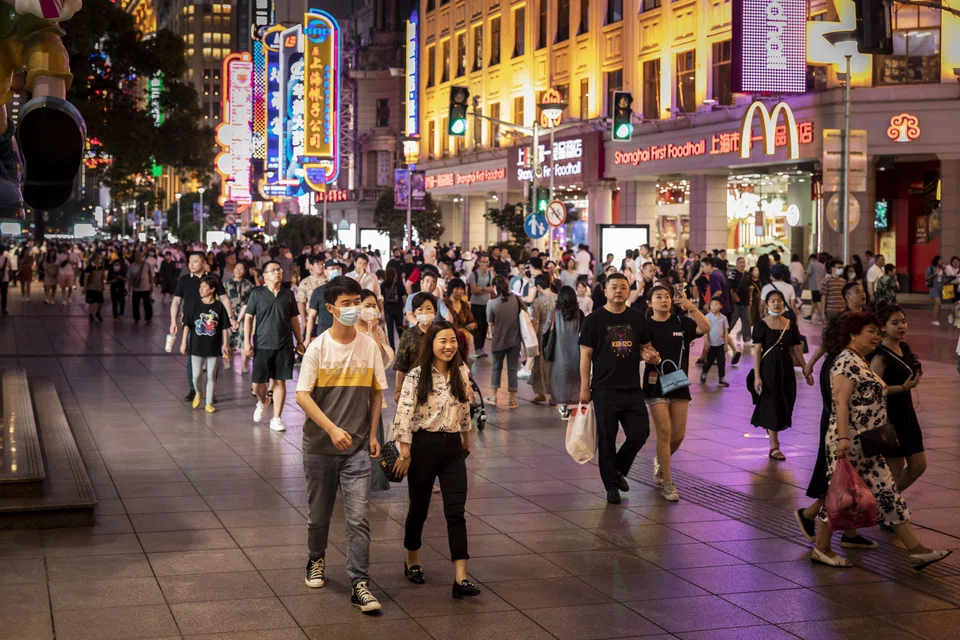
AFTER three years of living through a pandemic, China’s rich are spending more these days, even scouring the globe for overseas homes. The mass affluent, however, have become increasingly conservative and discerning, making adjustments that allow them to maintain their quality of life and save for rainy days.
The latest 2022 results by Hong Kong-listed Hang Lung Properties, a mall operator in China, offer a glimpse of the situation: Luxury spending in cities like Shanghai and Shenyang which were hurt by prolonged Covid-19 lockdowns, have taken a knock.
Hang Lung’s Heartland 66 in Wuhan, which opened in 2021 during the pandemic, has performed well and added Hermes, Cartier, Tiffany and Van Cleef & Arpels to its list of stores last year.
The operator’s Olympia 66 mall in Dalian was elevated to a luxury mall last year and added Rolex, Gucci and Miu Miu to its outlets. Many sub-luxury malls have also expanded their luxury brands in beauty to include Gucci, Chanel, La Mer and Tom Ford.
The expectation is for Chinese spending on luxury goods in 2023 to increase by 16-18 per cent, and for consumers to spend more domestically, said Sam Wong, an analyst at US investment bank Jefferies. He added that demand outside China’s Tier-One cities is strong and growing again.
At its latest earnings presentation in late-January, LVMH chairman and chief executive Bernard Arnault said he was cautiously optimistic about “green shoots” in China, the luxury brand’s key market.
The parent of Louis Vuitton reported its second straight year of record sales and profits, with 2022 revenue up 23 per cent to US$86.2 billion and profits up 17 per cent to US$15.2 billion.
The gradual return of Chinese spending is also being seen outside China.
At The Shoppes at Marina Bay Sands, a fashionably-clad young Chinese lady was busy live-streaming the latest collections from Chanel to Dior at one of Singapore’s largest luxury shopping malls. She eventually bought numerous pieces of branded goods including jewellery and handbags. Li, who lives in the city-state, said she was shopping for friends and family members in China.




She said that while China no longer requires quarantine on arrival since Jan 8, many Chinese are still reluctant to travel, citing concerns over entry and quarantine requirements of certain countries for Chinese visitors, pricier air tickets, and anti-Chinese sentiment overseas.
Despite rising anxiety over China’s economy and people’s personal incomes, it’s evident that China’s love affair with luxury brands such as Chanel and Louis Vuitton remains strong.
“During the pandemic, no one travelled overseas. But we still spend, and buy branded goods to reward ourselves,” Li said.
Over in Hong Kong, Blondie Tsang, the president of luxury retail company Lane Crawford, is witnessing an uptick in visitors to the stores, where “foot traffic has doubled in the past month and sales are well up on the same time last year”.
Mainland Chinese customers have started returning to Hong Kong and are “showing strong interest in the Spring/Summer 2023 fashion arrivals, sales of which are up considerably on the same time last year”, she said.
Commenting on changes in Chinese consumers’ spending in the post-Covid era, Gary Ng, a senior economist at Natixis in Hong Kong, told The Business Times that wealthy Chinese have been less affected by the impact of the pandemic, with some possibly living in a “parallel universe”.
In the near-term, Chinese households will spend more on domestic and international tourism, cosmetic products and consumer services – sectors which previously suffered from mobility restrictions, he said.
But despite the potential revenge spending, Chinese consumers have become more conservative. Covid-19 is only a catalyst for this structural trend, Ng added.
Data from the People’s Bank of China showed that renminbi deposits held by households nationwide grew in 2022 by a record 17.8 trillion yuan (US$2.6 trillion), a huge surge compared with growth of 9.9 trillion yuan in 2021. Some 95 per cent of the new deposits came from the middle and high income groups, which means savings are in the hands of the rich.
A recent KPMG report said that Chinese consumers are eager to buy luxury brands as a means of “social advancement and self-differentiation”. Gen Z – the cohort of digital native consumers – is rapidly becoming the largest consumer base for luxury brands, and their propensity to consume is quite strong, KPMG added.
Even during these challenging times, premium brands still outperform mass brands in China, a new McKinsey survey showed. While there was little differentiation in spending between the two groups before the pandemic, patterns began to diverge in 2022, as consumers earning lower incomes decreased their spending.
High-income consumers are spending more across all fast-moving-consumer goods categories. They are trading up to buy more expensive brands and products in categories that make them look good, such as skincare and fashion, as well as feel good, such as sports and flavoured beverages that are low in alcohol.
But no one, it seems, is willing to trade down. Chinese consumers are getting much smarter about what they buy and where. According to McKinsey, they are creative at finding the cheapest way to buy the brands they want, whether it’s through WeChat groups, parallel imports on Taobao, or the latest livestreaming deal.
When it comes to property, buying a home is still viewed by many Chinese as a savvy financial investment, despite the many challenges facing the sector.
A Chinese lawyer told BT that her family took the opportunity a few months ago to purchase a property in Tianjin, which shares a border with the Chinese capital Beijing.
“In the big metropolises, the housing demand is still there, and it is hard to build a new home without tearing down something to make space,” he said, adding that he is confident of the long-term uptrend in property prices in China’s bigger cities.
China’s reopening has also sparked demand for Singapore property, with real estate agencies fielding more enquiries from mainland Chinese buyers. OrangeTee & Tie, for instance, noted a 10 to 15 per cent hike in inquiries in January. Besides Singapore, popular destination targets for Chinese property hunters include Australia, Hong Kong, Malaysia, New Zealand and Thailand.
And when it comes to electric vehicles (EVs), Chinese consumers are less concerned about the origin of the brand and more about the benefits and features it can deliver. Last year, China’s BYD overtook American giant Tesla to become the best-selling EV brand, not only in the mainland but also globally.
“(Chinese) consumers are choosing local brands for their quality and innovation and not just for cheaper prices, or out of a sense of national pride,” said McKinsey.
Decoding Asia newsletter: your guide to navigating Asia in a new global order. Sign up here to get Decoding Asia newsletter. Delivered to your inbox. Free.
Copyright SPH Media. All rights reserved.