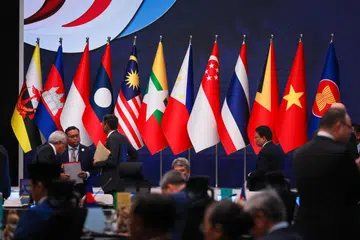
China’s trade surplus tops US$1 trillion after exports rebound
Shipments overseas have boomed for much of this year, in spite of US President Donald Trump’s launch of a trade war early in 2025
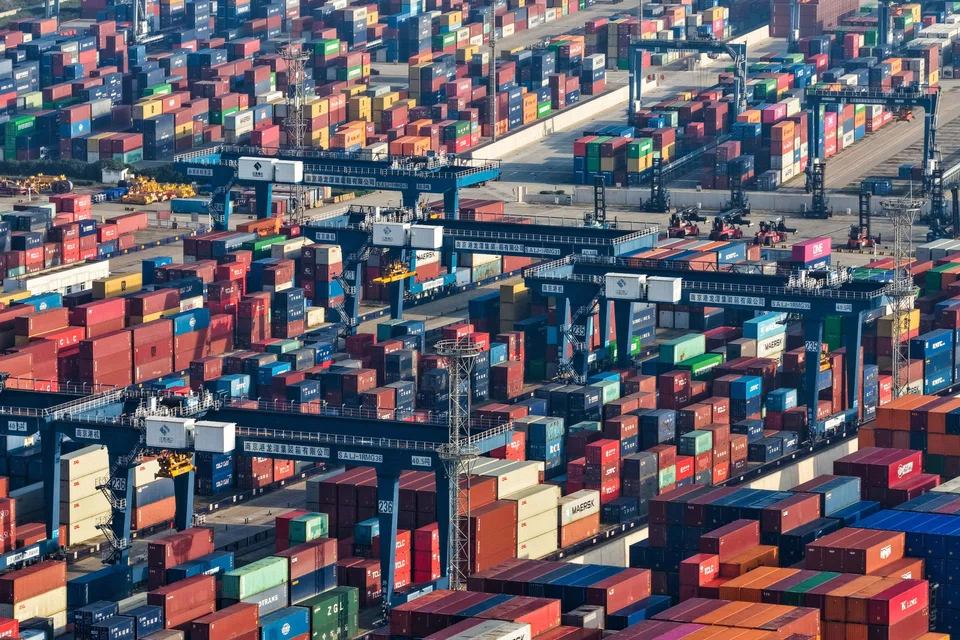
[BEIJING] China’s exports rebounded in November after an unexpected drop the previous month, pushing the trade surplus past a record US$1 trillion.
Exports rose 5.9 per cent from a year earlier, higher than the median forecast in a Bloomberg survey of economists for 4 per cent. Imports climbed only 1.9 per cent, bringing the surplus for the month to US$112 billion.
The milestone reached by China’s surplus follows the recent de-escalation of tensions with the Trump administration and will draw scrutiny from trading partners that are having to contend with pressure on their domestic industries from a flood of cheaper goods.
It also underscores how Beijing is struggling to rebalance the economy away from its dependence on demand abroad, with net exports accounting for almost a third of economic growth this year.
Shipments to the US plummeted 29 per cent, the eighth month of double-digit declines and the biggest since August. Strong growth in sales to regions such as the European Union, Latin America and Africa more than offset the slump.
Lynn Song, chief Greater China economist at ING Bank, said the rebounds in shipments to the EU and Japan were “perhaps a little surprising”.
“The November export data came in a little stronger than expected, despite a further deceleration of exports to the US,” Song said.
Shipments overseas have boomed for much of this year, in spite of US President Donald Trump’s launch of a trade war early in 2025. The world’s second-biggest economy has emerged largely unscathed from the standoff, as it delivered more goods to markets other than the US.
Exports to the EU expanded almost 15 per cent last month, the fastest since July 2022, with sales to France, Germany and Italy all seeing double-digit growth. Shipments to Africa surged nearly 28 per cent, while those to the 10-nation South-east Asian trading bloc gained only 8.4 per cent, the least since February.



Foreign demand has been the one consistent driver of Chinese growth, helping compensate for lacklustre private consumption at home and the prolonged slump in the housing market.
But the trade picture has become increasingly unbalanced, with China’s weak demand and increasingly innovative firms slashing demand for imports.
The historic trade surplus will help boost growth in gross domestic product after months of deterioration in the economy. Retail sales are coming off their longest stretch of slowdowns since 2021, while investment just shrank by a record amount.
Although the Chinese economy is expanding at a slower pace in the last quarter of the year, its strong performance earlier in 2025 means the official growth target of around 5 per cent is likely within reach. BLOOMBERG
Decoding Asia newsletter: your guide to navigating Asia in a new global order. Sign up here to get Decoding Asia newsletter. Delivered to your inbox. Free.
Share with us your feedback on BT's products and services