



Chinese developers still active but more cautious in Singapore, weaker yuan may be a boon

Angela Tan
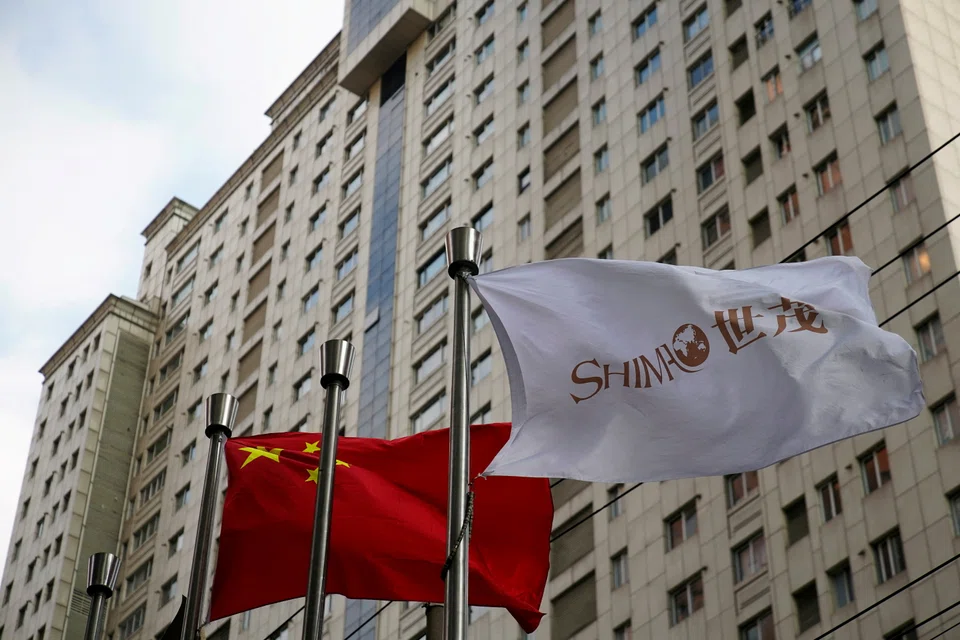
CHINESE developers are still active, albeit more cautious, in Singapore’s property development market, with the weaker yuan against the Singapore dollar a boon when it comes to importing cheaper building materials from the mainland.
Speaking to The Business Times, Nicholas Mak, head of research and consultancy at real estate agency ERA Realty, said Chinese developers are still active on the development front: “Those who have operated here for years, their capital is here; their profits from past projects become capital for future developments; thus making the business here more sustainable.”
Qingjian Realty, CSC Land Group (whose parent is China State Construction Engineering Corp), Logan Property and Nanshan Group are among the major Chinese developers in Singapore.
Another property analyst said Chinese developers are still participating in various tenders, but their bids are not as aggressive as before.
In China, many China high-yield bond issuers, all related to the property sector, have either defaulted on their US dollar-denominated bonds or deferred repayment with bond exchanges since the start of this year, fuelling concerns over the impact on Chinese developers here.
Franco Leung, associate managing director at Moody’s Investors Service, explained that a stronger US dollar is frequently seen as negative for Chinese developers as it increases their debt-service costs in local-currency terms.
“This is particularly true for developers with a high proportion of offshore debt maturing in the near term, as a strong US dollar would weaken their ability to service their debt obligations.”
Leung shared that most Moody’s-rated Chinese developers do not hedge their foreign currency exposure.
“That said, a few developers generate cash in foreign currencies through their offshore projects. For example, residential property projects in US, Hong Kong...etc, which can provide a natural hedge to their dollar-denominated bonds.”

Mak dismissed concerns that a depreciating yuan would hurt Chinese developers here, given that they could typically ring-fence the risks.
“In fact, a weaker yuan may benefit Chinese contractor-developers in Singapore, as one of their prized advantages is their ability to keep construction costs low compared to other developers. They can tap on their network to source for the cheapest materials, from tiles to steel bars from China,” said Mak.
One Singapore dollar is worth 4.85 yuan on Wednesday (May 25), compared to 4.64 yuan in early March; a 4.5 per cent appreciation.
Pamela Ambler, head of investor intelligence and strategy at JLL Asia Pacific, said Chinese developers have been more cautious in their bidding for residential sites in Singapore. This is especially so since Beijing reined in a red-hot property market, and imposed cooling measures to curb home price growth last year.
She said: “This was more apparent in larger transactions. In recent land tenders, we did see some participation by Chinese developers and they were successful in a few sites.
“Chinese capital has been and continues to be active in Singapore. Singapore sees an active mix of property developers with diverse portfolios, ranging from construction, commercial and private property to capital markets investments.”
As for Singapore developers who are in China, Ambler said they are mostly committed for the long-term: “(They) have a tendency to recycle their capital there into new opportunities. A weaker yuan, at least for now, would not have changed investment perspectives.”
Singapore’s City Developments Limited (CDL) said since February, China has been impacted by Omicron, with Shanghai, Shenzhen and Suzhou under partial or full lockdown.
On its property developments in China, CDL - controlled by billionaire Kwek Leng Beng - said: “Residential sales and construction work at the group’s properties in these locations were affected due to the government’s Covid-19 control measures. As these key cities reopen, the group expects business activities to improve.”
Currency is not everything
As property is considered a relatively illiquid investment, players tend to stay in a market for the long term. Hence, foreign exchange is only part of the calculation, and short term gyrations are often ignored for the longer-term goal.
“The fundamental decision is actually whether you believe in the backstory to the economy you are investing in,” said one analyst.
That said, there could be some nervousness around taxation policies. China is in the midst of extending its pilot property tax reforms to more cities in a bid to discourage people from speculating on real estate and to raise the budget for local governments. This could have a knock on effect on real estate development. Then there are specific market conditions to consider.
Leung said: “Foreign exchange risk is one of many considerations for Chinese developers when they make investments overseas. Other considerations include market demand, project profitability and cash flow.
“Similarly, Chinese developers factor in foreign exchange risk when they raise debt in foreign currencies. Other considerations include funding channel access and funding costs.”
Moody’s said China’s property sector still faces a negative outlook given tight funding access for rated developers, especially for those that are financially weak. Moreover, nationwide sales are projected to fall 10-15 per cent in 2022 and inventory levels could rise further in the near term.
The credit rating agency said the pace of recovery will largely depend on the timeliness and extent of any detailed measures, as well as the impact from lockdowns following the recent resurgence of Covid-19 in China.
Recently, Beijing signalled a boost to the property sector by lowering the first homebuyer loan rate, but analysts fear that with the jobless rate of young people at 16 per cent, the move may be of limited help.
Decoding Asia newsletter: your guide to navigating Asia in a new global order. Sign up here to get Decoding Asia newsletter. Delivered to your inbox. Free.
Copyright SPH Media. All rights reserved.
TRENDING NOW

Singapore identifies 7 firms responsible for haze fires, notices issued urging action: Grace Fu

Could stablecoins be the future of money?

Singapore should prepare for prolonged haze until November, says Grace Fu

High Court rules against Julius Baer’s Singapore trust arm in US$50 million family trust dispute

