Despite portents of doom, San Francisco remains a US powerhouse in many aspects
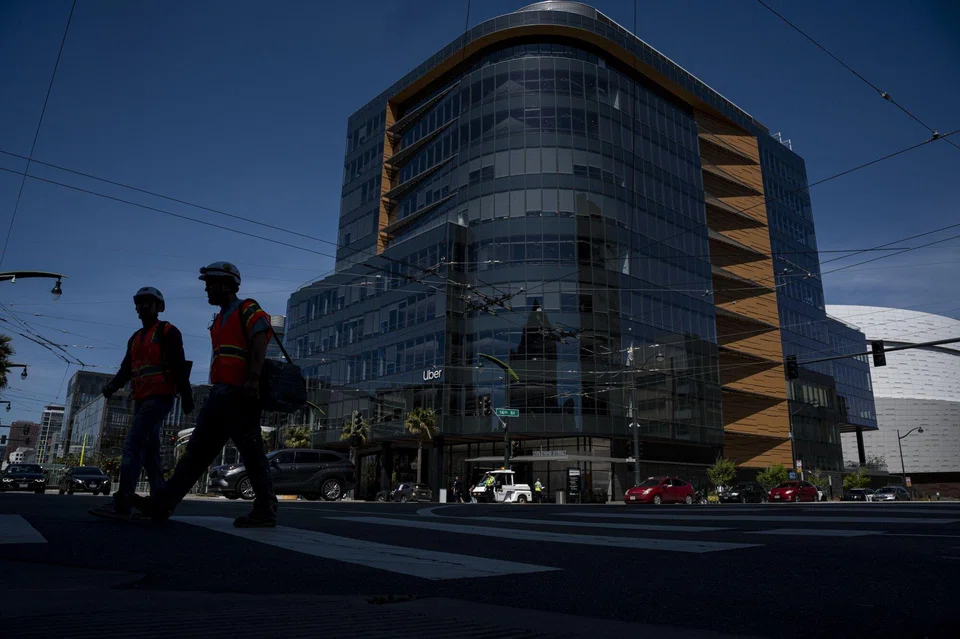
[SAN FRANCISCO] Since the Covid-19 pandemic upended the world three years ago, Brian Gendron has not been to his office in downtown San Francisco much, even to this day when things have largely returned to normal.
Gendron, who does business development and account management for one of the world’s largest payment companies, works mostly from home.
From about 50 km east of San Francisco, he manages his team, takes calls and conducts meetings virtually. He only pops into the office once every other week, and when he has to attend larger meetings.
“I’ve probably had two of my most successful and productive years during the pandemic,” he said. “I don’t think anyone wants to go into the office just for a box-ticking activity.”
His work arrangement isn’t unusual in San Francisco. It is also one of the most intractable challenges for its economy, which is one of the largest in the United States.
The city renowned for its high-tech industries and innovative startups is recovering more slowly than other US cities in the post-pandemic era, as scores of people continue to work remotely.

Besides emptying out the city’s downtown, remote work has unleashed a wave of economic repercussions – from rising office vacancy and the shuttering of surrounding small businesses, to deficits in the city’s tax revenues.
“Many of the jobs that we have in San Francisco lend themselves well to be done remotely or hybrid,” said Sujata Srivastava, the San Francisco director at the San Francisco Bay Area Planning and Urban Research Association (SPUR). “What we’re settling into is a three-day office work week. Most employers feel that’s the new normal.”
San Francisco is the country’s leader when it comes to remote work, at 46 per cent, according to the US Census Bureau. The national average is 18 per cent.
A study by the Bay Area Council Economic Institute ranked the San Francisco metropolitan area second to last out of the 25 largest economic regions in the US for post-pandemic economic recovery. Austin in Texas topped the list, while other major cities like Boston and New York fared better too.
The study scored each economic region on factors such as jobs, people, and economic activity. San Francisco almost hit the bottom of the table due to its population and job losses during the pandemic.
With many working from the comfort of their homes, the city’s financial district can feel rather deserted on a typical workday. Empty storefronts that once housed busy cafes, restaurants and retail outlets are a common sight.
Office vacancy rates hit a record 29.4 per cent in the first quarter of this year, according to real estate broker CBRE – it was 4 per cent in the first quarter of 2020, just before the pandemic hit. The latest figures are unprecedented as companies shed their office space, including major employers such as Facebook parent Meta, Salesforce and Airbnb.
Commercial real estate services company Cushman and Wakefield said this trend will likely persist.
“The technology industry is expected to continue to reduce its footprint, in both leasing activity and active requirements,” it said in a report on the San Francisco market. “The trend toward hybrid work and flexible office arrangements continued as companies sought to meet the evolving needs of their workforce.”
As San Francisco’s downtown contributes more than three-quarters of its total gross domestic product, it’s ominous that office attendance has stalled, hovering at around 40 per cent.
As such, the city’s tax revenues have taken a big hit. Sales tax revenues plunged 29 per cent in 2021 compared to 2019, making San Francisco the second hardest-hit major city in the US out of 25, the Economic Institute said. San Francisco’s government has projected a US$780 million shortfall in the next two fiscal years.
The population has shrunk too. Untethered to their offices, residents began to move out of the city, even out of the state of California altogether. More residents left the area than those from other economic regions, resulting in a 2.3 per cent population decline for San Francisco in 2021, according to US Census data. The outflow slowed in 2022, but the city still lost around 68,000 residents.
Lower rents
San Francisco is the only major city reporting cheaper residential rents than before the pandemic, even as rates rose elsewhere. The median rent for a two-bedroom apartment in San Francisco fell 13 per cent between Dec 2019 and Dec 2022.
Since the Covid-19 lockdowns began, San Franciscans have increasingly named crime as a reason for wishing to leave.
A new survey conducted by the city government found that 62 per cent felt public safety had worsened. Those who felt safe walking around their neighbourhoods dipped to 36 per cent this year, versus 52 per cent in 2019.
That’s despite data from the city’s police department showing violent crime being lower than before the pandemic.
“We’ve had some headline-grabbing incidents of crime over the last few years,” said Magnus Lofstrom, policy director of criminal justice at the Public Policy Institute of California. Violent crime in San Francisco is below the average for major cities, but property crimes like car break-ins are higher, he said.
“When you walk around in San Francisco, there’s a large number of homeless individuals and they are very noticeable as well. That can have an impact on the perception of crime.”
This unease is fueled by high-profile news, such as last month’s fatal stabbing of prominent tech entrepreneur and Cash App founder Bob Lee, and the closure of upscale supermarket Whole Foods in downtown San Francisco just a year after opening.
San Francisco mayor London Breed recently unveiled a roadmap to revive the city’s downtown, including diversifying its industries and converting downtown office spaces to other uses.
“Offices are absolutely critical to the future of our City, but the reality is we need a more diverse and resilient downtown,” she wrote in a blog post. “Having a diverse range of companies will help make us more resilient and attractive economically.”
Despite the portents of doom, San Francisco remains a powerhouse in many aspects.
San Francisco and the Bay Area continue to command the lion’s share of deals in the US’ venture capital market, outpacing New York and Boston. Unemployment in the city is well below the national average, and new business formation is trending up steadily.
Even as tech companies like Amazon and Google have announced layoffs, the region has recovered the jobs lost during the pandemic, with four of the city’s five largest industries surpassing their pre-pandemic employment numbers.
SPUR’s Srivastava remains optimistic for now but she anticipates a challenging road ahead for the city’s recovery.
“There’s going to be some pain in the next few years,” she said. “We have so many assets to build on … which is why it’s really important to make all those investments now.”
Decoding Asia newsletter: your guide to navigating Asia in a new global order. Sign up here to get Decoding Asia newsletter. Delivered to your inbox. Free.
Share with us your feedback on BT's products and services