



DHL CEO warns of ‘tipping point’ risk if oil shortage persists
He adds that he does not believe the conflict will structurally change trade in the long term
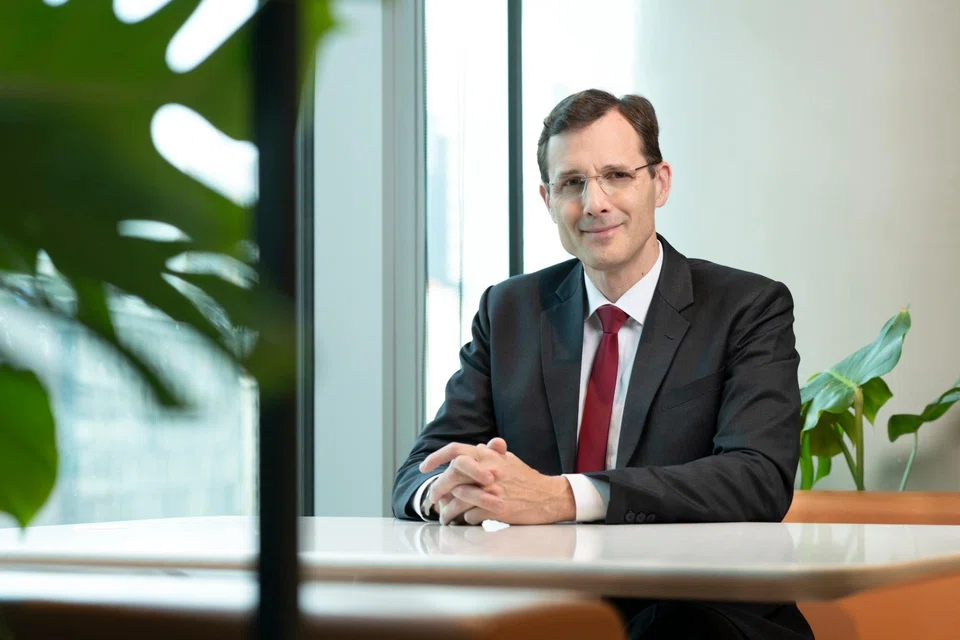
[BERLIN] DHL CEO Tobias Meyer warned that the global economy risks hitting a “tipping point” if the shortfall in oil supply is not resolved, as the conflict in the Middle East squeezes transport routes and pushes up freight costs.
Consumers often fail to fully recognise the impact of crises until a single event, such as a major plant closure in a Western country, triggers “broader uproar”, he added.
“This hasn’t happened yet,” he said. “But if the underlying economic issue – the lack of supply of energy, the 10 million, 12 million barrels of crude oil a day – is not resolved, it’ll come to that tipping point.”
Concerns about fuel supplies are growing amid tensions in the Middle East, with airlines calling on governments to take emergency steps to avoid flight cuts.
DHL has experienced a “tremendous” impact due to the war in Iran, with the closure of the Strait of Hormuz affecting the movement of containerised goods, Meyer noted.
When asked about fuel supplies, he said “not much” can be done, adding that the company is talking to its suppliers and that the “willingness to pay is important”.
Global trade routes between Asia and Europe are becoming “quite limited”, especially as Western airlines avoid Russian airspace and Gulf carriers operate below prewar capacity.
“You see tight markets out of India, out of South-east Asia, especially to Europe,” he said.
“And we’ll continue to see elevated freight rates until the situation has further eased and resolved itself in the Middle East.”


In the long term, however, he does not believe that the conflict will structurally change trade.
“Think about pharmaceuticals, medical devices – those will not be produced in every country, quite the opposite,” he said. “Those goods get more complicated (and) more concentrated. These are goods that need to be traded.” BLOOMBERG
Decoding Asia newsletter: your guide to navigating Asia in a new global order. Sign up here to get Decoding Asia newsletter. Delivered to your inbox. Free.
Share with us your feedback on BT's products and services
TRENDING NOW
Prima to move out of historic Keppel Road flour mill building in 2028

Grab CEO’s wife Chloe Tong on life with Anthony Tan and finding her purpose

OCBC sheds S$8 billion in value as shares close nearly 6% down; analysts cautious on banks

As Asia’s food delivery giants rejig the pie, who will win the market?

