



Dim sum chain Tim Ho Wan ramps up North America, Hong Kong expansion after Jollibee acquisition
Joining the Jollibee Group has boosted the brand’s global scalability. It has also adopted stronger SOPs that can be replicated across markets

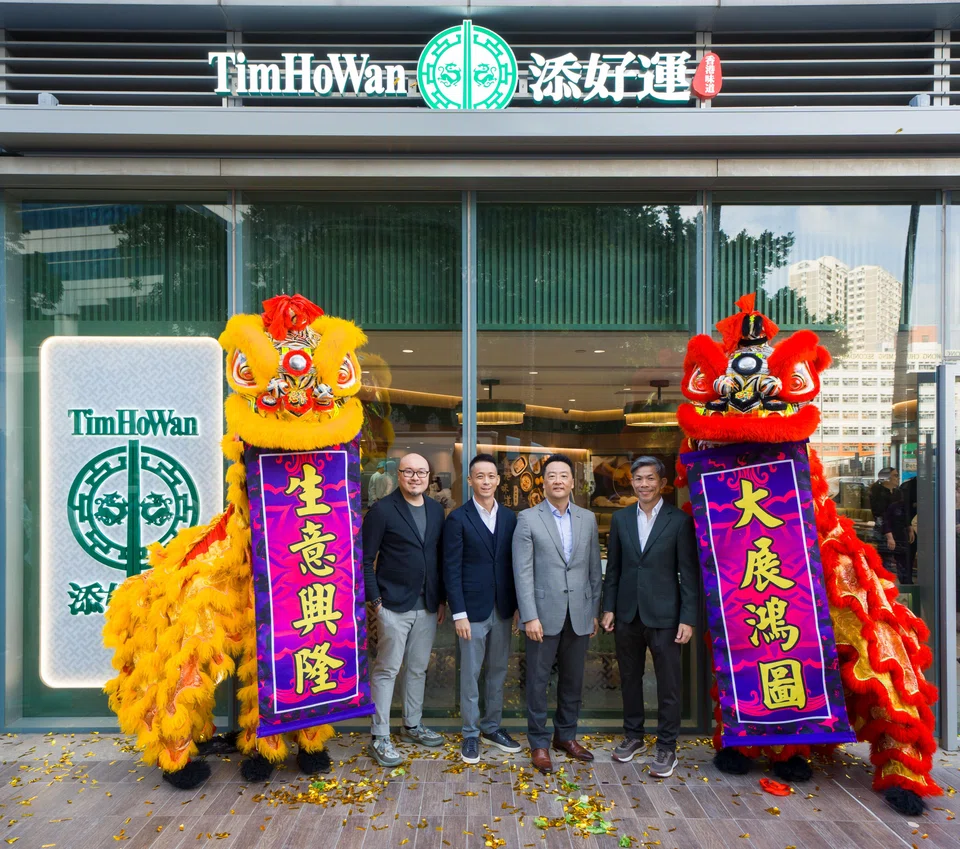
[HONG KONG] Dim sum chain Tim Ho Wan is doubling down on its expansion in North America and Hong Kong, following its acquisition by Philippine fast-food group Jollibee Foods in a S$20.2 million deal.
The brand has hit a number of growth milestones since its integration into the group in January 2025.
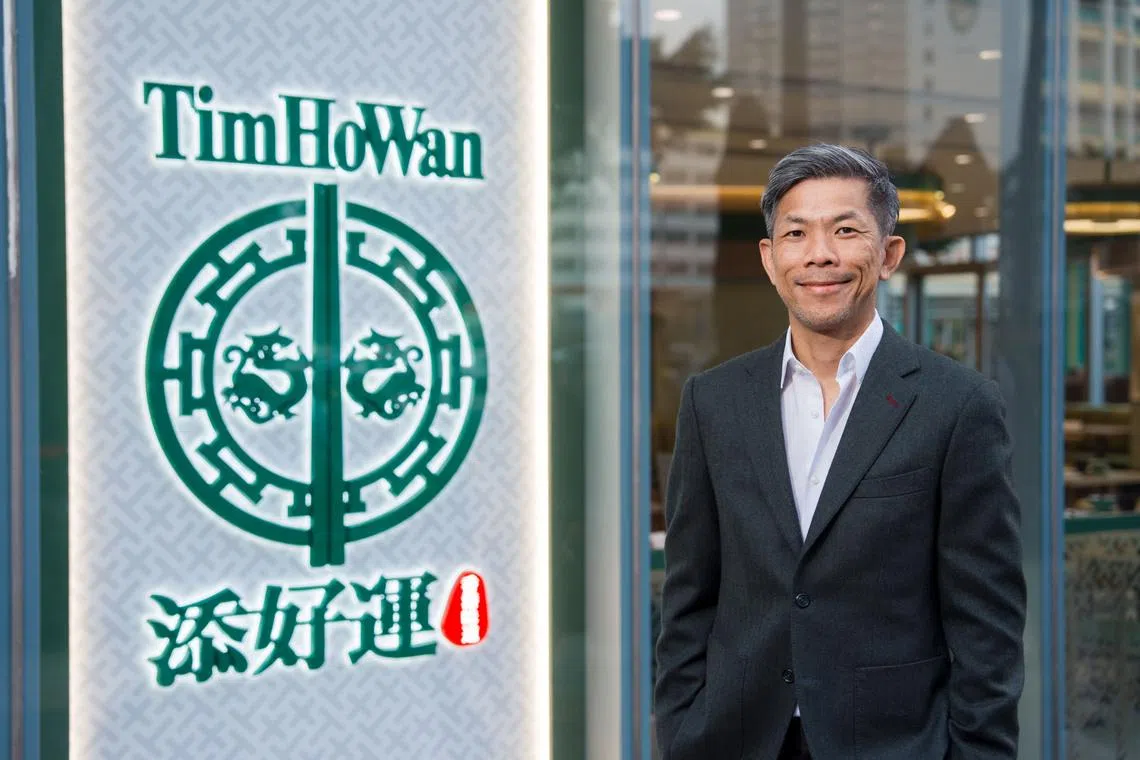
In the past year, for instance, Tim Ho Wan has more than doubled its network of stores in Hong Kong – “a pace of growth that reflects how much stronger, faster and more confident the brand has become since joining Jollibee Group,” said Lee Yeong Sheng, chief executive officer of Tim Ho Wan.
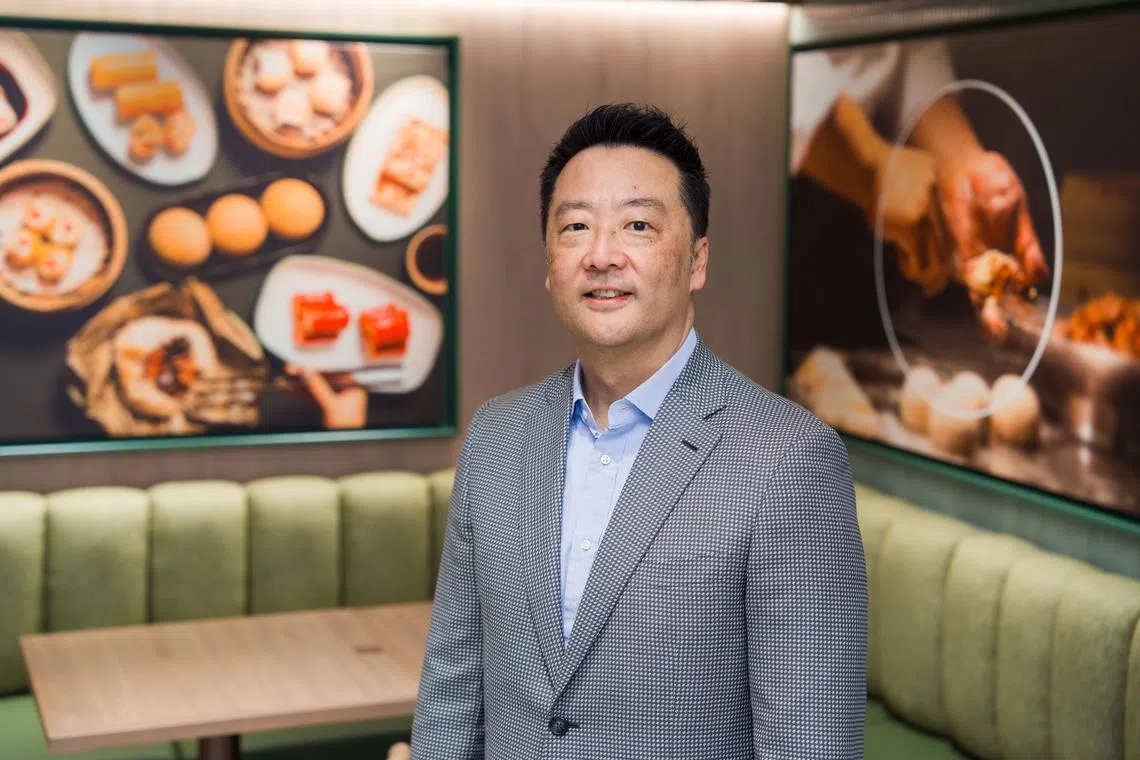
He was speaking to The Business Times at the opening of the brand’s 10th Hong Kong outlet in Mikiki Mall in Kowloon in February. An 11th one followed in Tsuen Wan in May.
The expansion follows the re-opening of Tim Ho Wan’s store in Irvine, California, in December 2025 – the first company-operated North American outlet under Jollibee’s ownership.
Its outlets in New York, Texas, Hawaii and Nevada, operated by franchisees, were established before the brand’s acquisition by Jollibee. By 2028, Jollibee aims to have 20 Tim Ho Wan stores in North America.
Tim Ho Wan began in 2009 as a modest 20-seater restaurant in Mongkok, a retail, dining and cultural hub in Hong Kong. It focused on serving high-quality dim sum at affordable prices, and bagged its first Michelin star in 2010.
Today, the dim sum chain has more than 85 stores in 11 markets in the Asia-Pacific and North America. Its markets in the region include China, Hong Kong, Japan, the Philippines, Taiwan and Singapore.
Bolstering Jollibee’s Chinese cuisine portfolio
The acquisition of Tim Ho Wan feeds into Jollibee’s global ambitions, as the group looks to build its Chinese cuisine portfolio. It already counts Chinese restaurant chains Chowking, Yonghe King and Hong Zhuang Yuan among its brands.

Richard Shin, Jollibee Group’s global chief financial and risk officer, noted that Chinese cuisine represents “one of the largest and fastest-growing opportunities” of all the group’s F&B segments, and dim sum “remains a significant whitespace globally”.
“Currently, there is no restaurant company that has successfully built a brand that leads this category with authenticity, scale and consistent quality,” he said.
Jollibee is therefore banking on Tim Ho Wan to fill that gap. Shin pointed out that the brand will play a “critical strategic role” in the group’s long-term aspiration to become one of the top five restaurant companies in the world.
In fact, Jollibee had spotted this potential in Tim Ho Wan much earlier.
The group previously held investments in the dim sum chain through its private equity fund, Titan Fund, in which it owns a 92 per cent participating interest.
In November 2024, Jollibee signed an agreement with a subsidiary of Titan Fund to transfer full ownership and management of Tim Ho Wan to its subsidiary, Jollibee Worldwide, for S$20.2 million.
Leveraging playbook to scale
As Lee sees it, the acquisition is a “win-win” for both sides, with Jollibee providing Tim Ho Wan a significant boost in its global scalability.
The dim sum chain, now leveraging Jollibee’s playbook, has gained access to stronger operating systems and processes that have “proven to work globally” and can be replicated across international markets, said Lee.
“This is what gives me reassurance and confidence that we’re able to scale a lot faster,” he added.
For instance, Tim Ho Wan has adopted demand forecasting by using historical sales data to predict the precise quantity of ingredients needed each day, in order to minimise wastage.
It has also strengthened its standard operating procedures (SOPs), stepped up audits of its stores and invested in new kitchen equipment and the training of chefs.
It has drawn up step-by-step guidelines on the preparation of key menu items to ensure quality control across outlets as well.
Cheung Yat Sing, Tim Ho Wan’s product innovation director, said: “For our steamed dumplings, we now have a detailed SOP covering everything – from the exact temperature of the water to the amount of ingredients to use, to how to make the crust. This level of detail did not exist in the past.”
Refreshed store layout, menu innovation
Beyond back-end operations, Jollibee has catalysed other changes at Tim Ho Wan.
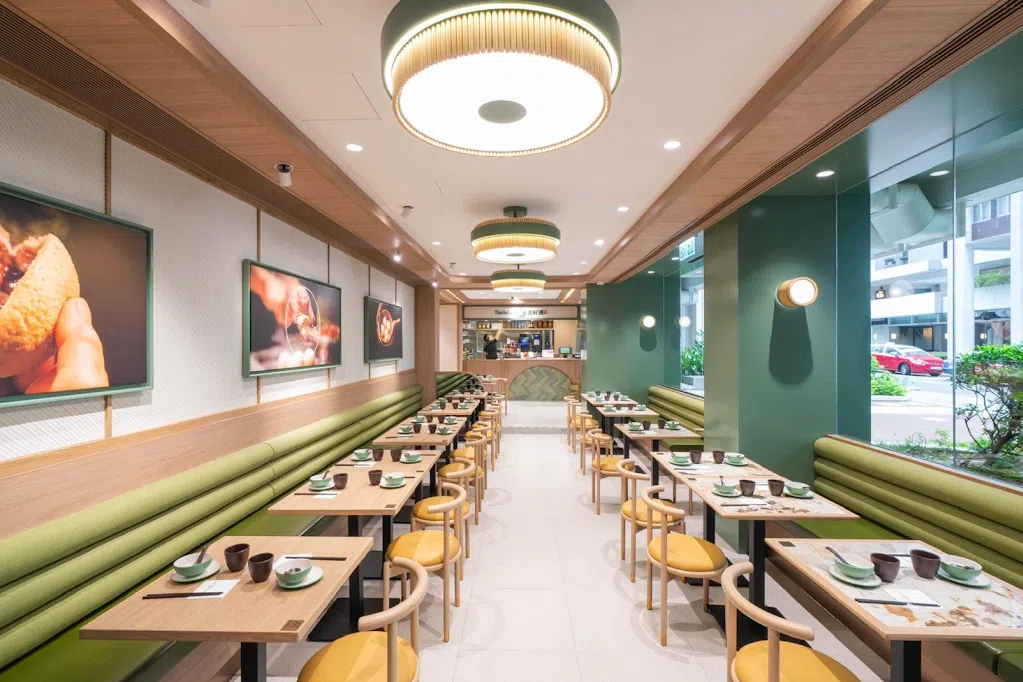
The dim sum chain’s newer stores sport a more contemporary design, with open layouts, more space between tables and bright lighting.
Said Lee: “Many traditional dim sum restaurants have very confined, packed spaces; people are sitting shoulder to shoulder. But guests want a more comfortable experience.”
Open-kitchen concepts have also been introduced in its stores so customers can watch chefs preparing their food – a plus these days when diners increasingly demand greater transparency about what goes into their meals, he added.
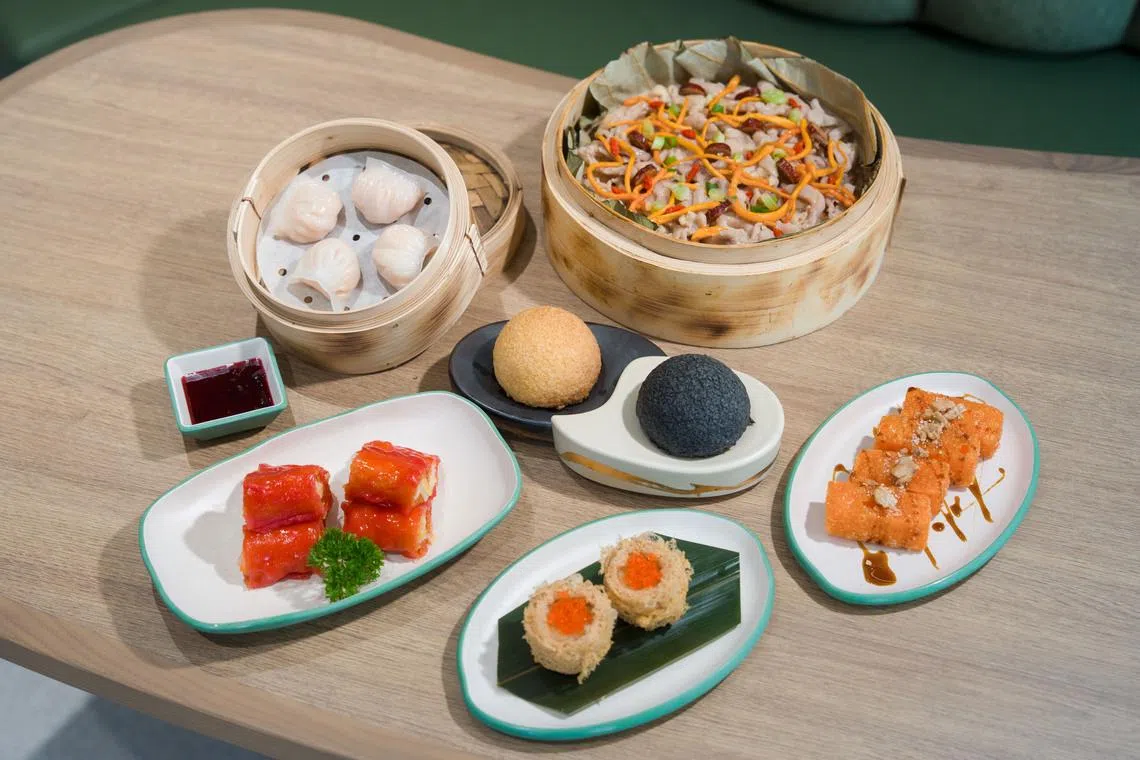
Meanwhile, menu innovations have kept Tim Ho Wan’s dim sum line-up fresh. In the past year, the brand has added new items such as black truffle baked chicken buns and crispy shrimp red rice rolls with roselle sauce.
It has further standardised its offerings as well. About 70 per cent of menu items are fixed across markets, which leaves room to introduce exclusive dishes that cater to local palettes. For instance, its Singapore outlets offer fried rice dishes.
Taken together, these efforts have led to a turnaround in Tim Ho Wan’s financial performance in Hong Kong. Within six months of Jollibee’s acquisition of the brand, all stores in the city became profitable.
Accelerating global expansion
Tim Ho Wan has had an easier time making inroads into the US, supported by Jollibee’s operational experience and network there.
Lee said the chain connected with the group’s US counterparts to quickly familiarise itself with the business environment and get up to speed with local regulatory requirements.
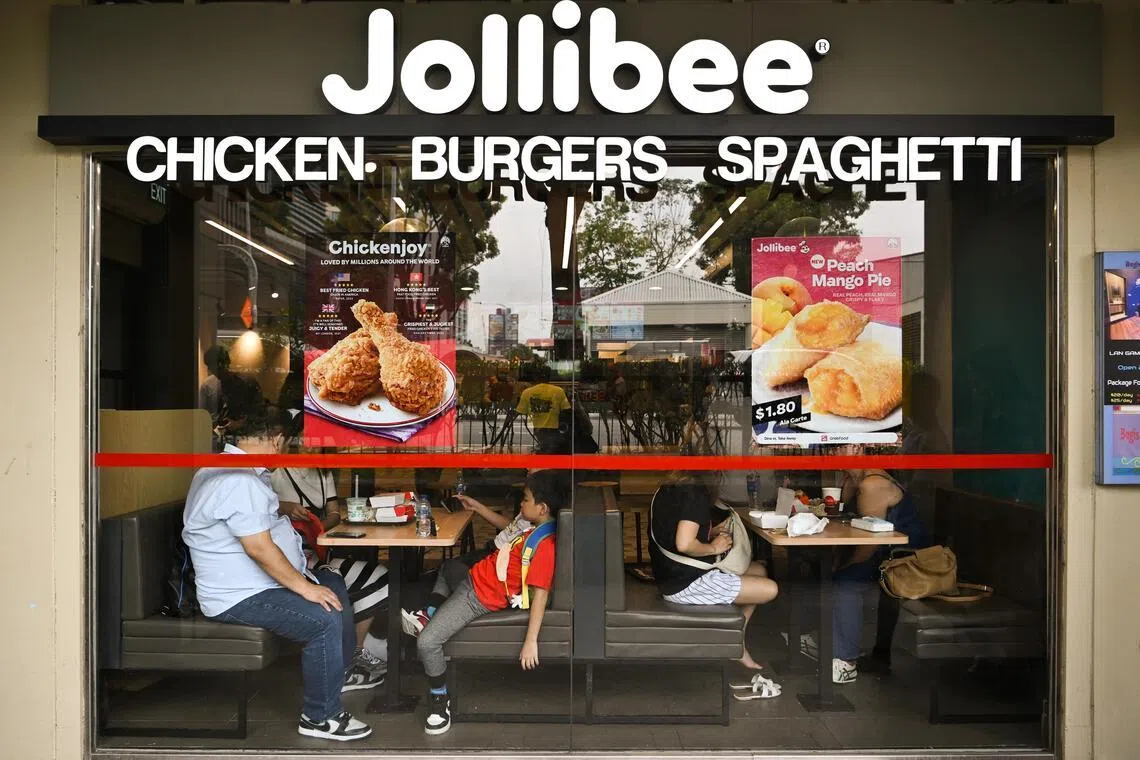
The group operates more than 80 Jollibee fast food outlets in the US; it also owns American brands Smashburger and The Coffee Bean & Tea Leaf, which have branches across the US.
Said Lee: “If not for Jollibee, we would have had to do a lot of fact-finding and start from ground zero when opening our first store in the US. The group helped us to fast-track a lot of things.”
The US, in particular, holds opportunities for Tim Ho Wan to grow further, given that today’s US consumers are more well-travelled – in part to Asia. Lee said that although they have come to enjoy Asian flavours, there is still a lack of restaurants in the market serving authentic Chinese cuisine.
Early sales at Tim Ho Wan’s California store have been “very encouraging”, he said. “This gives us confidence that the market is ready for authentic dim sum, and we are well-positioned to serve the unmet needs of consumers.”
Still, Tim Ho Wan intends to take a “disciplined approach” towards expansion in the US, rather than “scattering” stores everywhere.
California is an immediate area of focus, but the brand is also looking into opening more stores in New York and Texas.
All US locations will be company-operated in the near term, allowing the brand “to build discipline, systems and processes”, Lee said. “Afterwards, we will evaluate opportunities to work with franchisees to accelerate expansion.”
The US tariffs have had only a “marginal” impact on operational costs, affecting some secondary ingredients. Lee noted that most proteins used in its dishes are sourced domestically within the US, and its sauces are made in-house.
Closer to home, Tim Ho Wan is looking at expanding into new markets in South-east Asia, where demand for good-quality dim sum is growing.
Lee identified Malaysia, Indonesia and Thailand as markets with “a lot of untapped potential”, and disclosed that the brand is now in talks with potential franchisees.
In Singapore, where there are nine outlets, Tim Ho Wan will go beyond store expansion and focus on growing sales through other channels.
Noting a pick-up in Singapore’s food-delivery sales, Lee said the brand intends to develop more delivery-friendly offerings that stay fresh even after factoring in transit time.
It will also expand its menu to cater to appetites throughout different times of the day. For instance, with dim sum typically eaten at lunch, its dinner menu now includes heartier options such as rice noodles for diners wanting a more substantial meal later in the day.
Said Lee: “We’re very strong when it comes to lunch, but can we look into breakfast and dinner more? It’s about creating more dining occasions for customers.”
Decoding Asia newsletter: your guide to navigating Asia in a new global order. Sign up here to get Decoding Asia newsletter. Delivered to your inbox. Free.
Copyright SPH Media. All rights reserved.






