Global Enterprise logo
BROUGHT TO YOU BYsc logo

Disappointing returns cool China’s infrastructure Reit craze
Published Thu, Jun 1, 2023 · 05:50 AM
    • The total market capitalisation of China’s 27 publicly offered infrastructure-focused Reits slumped to 90.6 billion yuan (S$17.3 billion) on Apr 27.
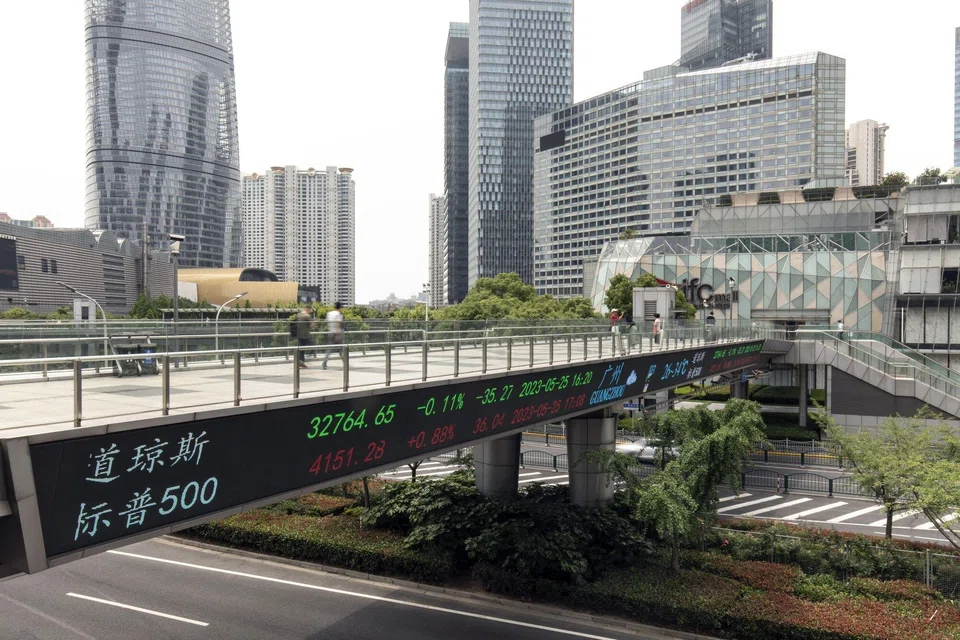
    • The total market capitalisation of China’s 27 publicly offered infrastructure-focused Reits slumped to 90.6 billion yuan (S$17.3 billion) on Apr 27. PHOTO: BLOOMBERG

    THE boom in China’s fledgling market for publicly offered infrastructure-focused real estate investment trusts (Reits) appears to be faltering, as bets on short-term high returns fail to pay off.

    The CSI Reits (closing) Index, which measures the overall performance of such Reits traded on the Shanghai and Shenzhen stock exchanges, plunged from this year’s high of 1,069.48 on Feb 14 to a historical low of 932.6 on May 26, losing 13 per cent.

    In addition, the total market capitalisation of China’s 27 publicly offered infrastructure-focused Reits slumped to 90.6 billion yuan (S$17.3 billion) on Apr 27, below their combined debut value of 91.5 billion yuan.

    As at May 17, only 10 of the 27 Reits had managed to generate positive returns since listing, with the rest keeping investors in the red.

    The underwhelming performance is a stark contrast to two years ago, when the first batch of nine such Reits became a big hit after opening for subscription in May 2021. Retail investors and institutional funds piled into the novel products, attracted by the prospect of high dividends and potential asset appreciation.

    Reits own, operate or finance real estate that generates income. They raise funds by selling shares, either privately or on public stock exchanges, and use the proceeds to service and expand their portfolios. This provides them with a stable flow of income, part of which can be passed on to investors in the form of dividends.

    Asean Intelligence

    Get insights into businesses across South-east Asia

    Get the free report

    In China, publicly offered infrastructure-focused Reits are mostly restricted to investing in infrastructure assets, such as highways, sewage treatment and waste incineration facilities, and some types of real estate including industrial parks, and warehousing and logistics properties. In August last year, the scope of investment was broadened to include affordable rental housing.

    Of the 27 publicly offered Reits, 20 have disclosed their earnings results for the two most recent quarters. Only around half, or 11, of them reported quarter-on-quarter revenue growth in the first quarter this year, which was partly due to a patchy recovery in their underlying assets.

    The revenue from the Reits’ underlying projects varied between different sectors during the three-month period.

    A rebound in transportation demand boosted the overall performance of trusts backed by toll-road assets, while some of those that invested in industrial parks posted disappointing quarterly results due to important tenants leaving and worse-than-expected leasing deals, wrote analysts at Sinolink Securities in an Apr 27 research note.

    However, other Reits saw little fluctuation, with those tied to affordable rental properties delivering relatively impressive results, said the analysts.

    The top performers in the first quarter typically had investments with weaker elasticity, Ping An Securities analysts wrote in a report on Apr 25.

    Among them, Reits backed by toll roads are expected to see an improvement this year as travel recovers, the analysts said. Meanwhile, affordable rental housing Reits lack the potential for a sharp rebound due to limited growth in rental earnings and their returns coming mainly from dividends.

    Fading hype

    Reits are typically seen as long-term, stable products, and consequently attract strong participation from institutional investors. But when the publicly offered Reits debuted in China, retail investors jumped on board with bets on short-term high returns.

    The initial wave of institutional and retail interest led to oversubscribed initial public offerings and excess demand that sent Reits’ share prices soaring. But the hype has faded as long-term institutional investors have made the Reit market increasingly illiquid, and some underlying assets post weak returns.

    The waning hype around Reits is a good sign, said some industry insiders.

    A mutual fund professor told Caixin: “It is certainly abnormal for the share price of publicly offered Reits to skyrocket or plummet, as they are products with stable cash flows, so their fundamentals cannot back a sudden surge in their performance. The price of (such) Reits should fluctuate within a stable range.”

    “The domestic publicly offered Reit market has reached a stage where it is more rational about the pricing and value of the products after an issuance craze,” a person specialising in the assets said. CAIXIN GLOBAL

    Decoding Asia newsletter: your guide to navigating Asia in a new global order. Sign up here to get Decoding Asia newsletter. Delivered to your inbox. Free.

    Share with us your feedback on BT's products and services