



Dubai’s bankers, traders return as Iran war risks continue to loom over city
Expatriates still make up more than 80% of the population
 Add BT as a preferred source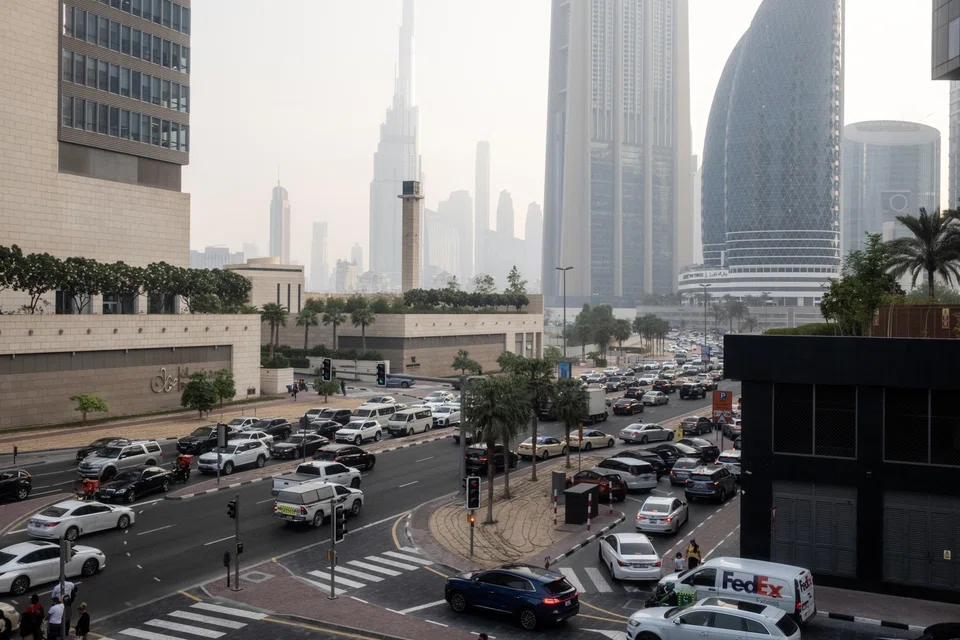
[DUBAI] The lunch crowds had returned to the exclusive Arts Club in Dubai’s financial hub, and roads were starting to fill up again in the area. Many bankers, traders and executives who had temporarily relocated out of the United Arab Emirates after Iranian missiles targeted the country were beginning to stream back into offices.
After the US and Iran announced a ceasefire in early April, Dubai appeared to be settling back into a new routine. Then, on Monday (May 4) evening, mobile phones across Dubai and neighbouring emirates lit up with emergency alerts urging residents to shelter indoors, for the first time in weeks.
Schools, which had only recently reopened, reinstated online learning and some financial firms reverted to remote work. Traffic near the Dubai International Financial Centre (DIFC), which had recovered to about 70 per cent of pre-war levels in the weeks after the ceasefire, slipped back towards 60 per cent following Monday’s alerts, according to mobility analytics firm xMap.
The latest attacks, which targeted a port and vessels offshore the UAE, do not appear to have fundamentally shaken faith. Air defences continued to intercept almost all projectiles launched towards the country and many residents and businesses seem determined to carry on despite the volatility.
Still, the brief disruption captured the uneasy balancing act facing the Gulf’s commercial hub as it tries to restore confidence while living with the possibility that the conflict could flare up again at any moment.
“It’s a reminder that despite a period of stability, the wider situation is still playing out and uncertainty remains, even if everyone here is extremely keen to get back to normal,” said Edwin Lawrence, Dubai-based CEO of advisory firm Nettlestone Capital Advisors.
Navigate Asia in
a new global order
Get the insights delivered to your inbox.
The majority of finance employees have remained in the city, “enabling business operations and essential services to continue uninterrupted, while flexible and remote working arrangements were implemented where required”, the Dubai Media Office said. “As the regional situation eased, employees safely resumed standard in-person working arrangements.”
A spokesperson for Citigroup said on May 4 that “all employees are now welcome back to office, and branches are back to normal hours”. Standard Chartered said that its operations in the UAE and office attendance are back to regular levels and it’s “business as usual”.
Those policies remain in place.



To an extent, that resilience reflects the importance of the Middle East to financial firms around the world. The region’s deep pools of capital have been a critical source of funding over the years, and many executives vowed unwavering support to the Gulf at the height of the war.
Some are even continuing to invest. Brookfield Asset Management is setting up a property venture in Dubai in a bold bet on the city’s real estate market. “We understand the risks and the benefits in the region better than others and hence we are looking to commit capital,” said Jad Ellawn, managing partner and regional head for Brookfield Middle East.
Such moves are also a measure of Dubai’s success in transforming itself into a less transient city. Expatriates still make up more than 80 per cent of the population, but long-term “golden visas” have encouraged more foreign workers to buy homes and set up businesses.
Low taxes and safety have continued to attract wealthy professionals and global firms, many of which continue to hire again, “albeit at a slower pace”, according to Zahra Clark, head of Middle East and North Africa at Tiger Recruitment, which works with financial companies on recruitment. “We saw around 20 per cent of our pipeline put on hold,” she said.
Even with the conflict unresolved, hedge funds, including Ken Griffin’s US$67 billion Citadel, are preparing to launch operations in the emirate. Dubai has also eased some compliance requirements to help firms continue operating through the conflict.
In another sign of the finance community’s continued confidence, 258 companies established a regional presence in DIFC in March, a 59 per cent increase from a year earlier, according to a representative for the business hub. In total, 775 new firms set up in DIFC in the first quarter.
Greg Agius, CEO of Switzerland-based recruitment firm Agius & Partners, said many bankers and wealthy individuals have been impressed by how the UAE handled the crisis.
“Dubai offers a lot for families and business owners,” he said. “Switzerland is lovely, but it’s slower paced and has more tax.”
But even as bankers return to their desks, the outlook for deals across the region is becoming more uncertain. Some initial public offerings planned for the first half of the year are expected to be delayed or pulled, while mergers and acquisitions activity may slow as companies postpone investments, according to sources familiar with the matter.
Outside finance, the weeks-long disruption has rippled through the wider economy.
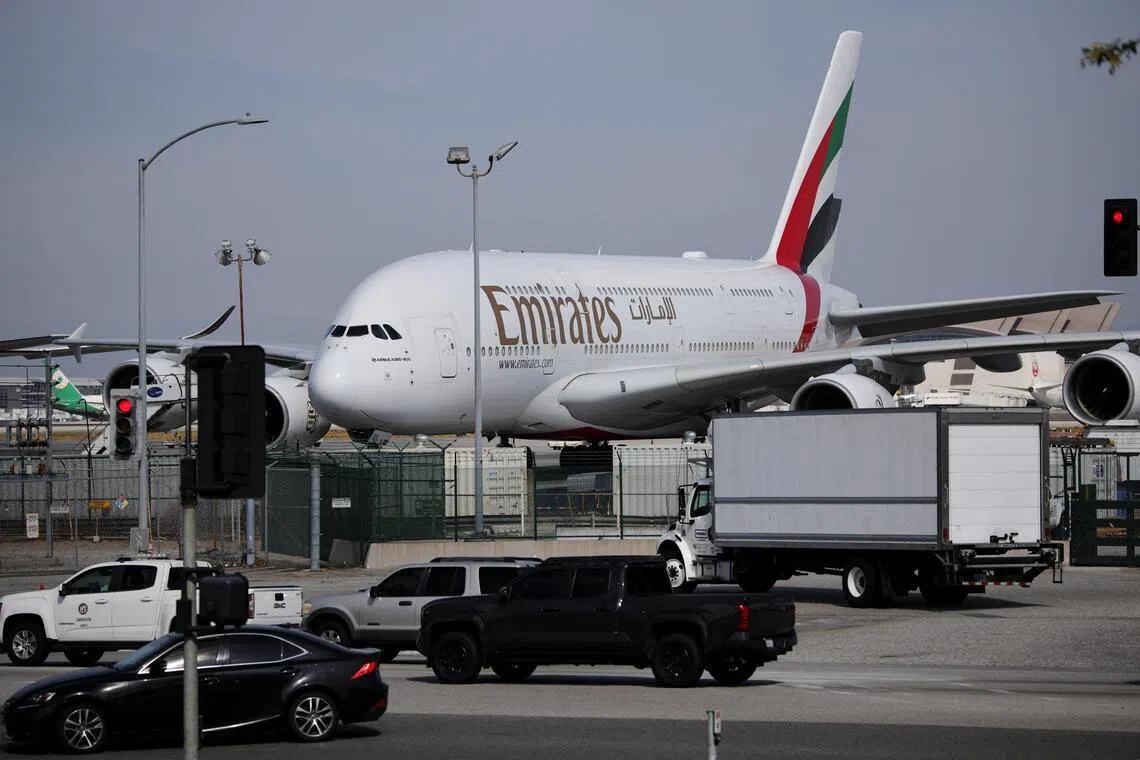
Emirates has recovered faster than regional airlines, but is still operating at about 75 per cent of pre-war capacity. Hotel occupancy has fallen to about 33 per cent from more than 80 per cent before the conflict, according to the researcher CoStar Group.
Executives familiar with the situation said that they expected activity to start picking up in a few months, at the end of the traditionally quiet summer period. Many Dubai hotels are using the time for refurbishments.
“Please remember we had years of almost 85 per cent occupancy in our hotels, incredible rates. We made so much money,” said Mohamed Alabbar, founder of Dubai developer Emaar Properties. “We take a break for months. That’s okay. We have time to maintain and repair our hotels.”
Meanwhile, home rents, which have surged steadily in recent years, seem to have held up in the face of war. Citywide, they are down just over 2 per cent on average since the end of February, according to Prathyusha Gurrapu, head of research at the property consultancy firm Cushman & Wakefield Core.
“Rent renewals are being signed at nearly the same rates as before because many tenants prefer to avoid moving costs.” she said.
Private schools, which benefited from Dubai’s influx of expatriates in recent years, have also had to contend with periods of online learning. Before Monday’s attacks, most students had returned to classrooms across the UAE, though attendance remained uneven.
Consumer spending patterns are also shifting.
Chipotle Mexican Grill saw a fairly quick recovery in Kuwait and Qatar but a slower rebound in the UAE, CEO Scott Boatwright said. The UAE attracts more tourists than the other two countries.
“Most consumers that are local are returning to normal behaviour,” Boatwright said. “I think the biggest challenge for the region at present is the reduction in year-over-year tourism.”
In-store sales at the UAE’s main supermarket and hypermarket chains fell about 7 per cent between Mar 30 and Apr 19 from a year earlier, according to NielsenIQ. While online sales for those and other digital players rose 15 per cent, that pace was lower than the 34 per cent rate before the conflict.
Some executives remain optimistic despite the uncertainty. Emirates posted a profit, though below an earlier projection.
The airline is “hoping that this will resolve itself fairly soon and it will get back to where we were in February of this year”, president Tim Clark said.
The boss of arguably the country’s most well-known brand sounded a defiant note last month.
“I don’t think things will change how we operate the airline or this model,” Clark said. “We are not taking a breath.” BLOOMBERG
Decoding Asia newsletter: your guide to navigating Asia in a new global order. Sign up here to get Decoding Asia newsletter. Delivered to your inbox. Free.
Share with us your feedback on BT's products and services
TRENDING NOW

Not retirement, but a rewiring and fresh perspectives post-DBS, says Piyush Gupta

On the board but frozen out: The Taib family feud tearing Sarawak construction giant apart
Thai and Vietnamese farmers may stop planting rice because of the Iran war. Here’s why
As more Asean states turn to Russia for fuel, will Moscow boost its influence in the region?

