



EU reaches deal to heighten foreign investment screening
It will also set a baseline EU standard for reviewing such investments, which does not currently exist
[BELGIUM] The European Union reached a preliminary agreement to strengthen its screening of foreign direct investments, the latest move meant to shield its economy from China and the US.
The deal, reached on Thursday (Dec 11), will give the EU more power to review and intervene in foreign investments that affect public order and security. It will also set a baseline EU standard for reviewing these investments, which does not currently exist.
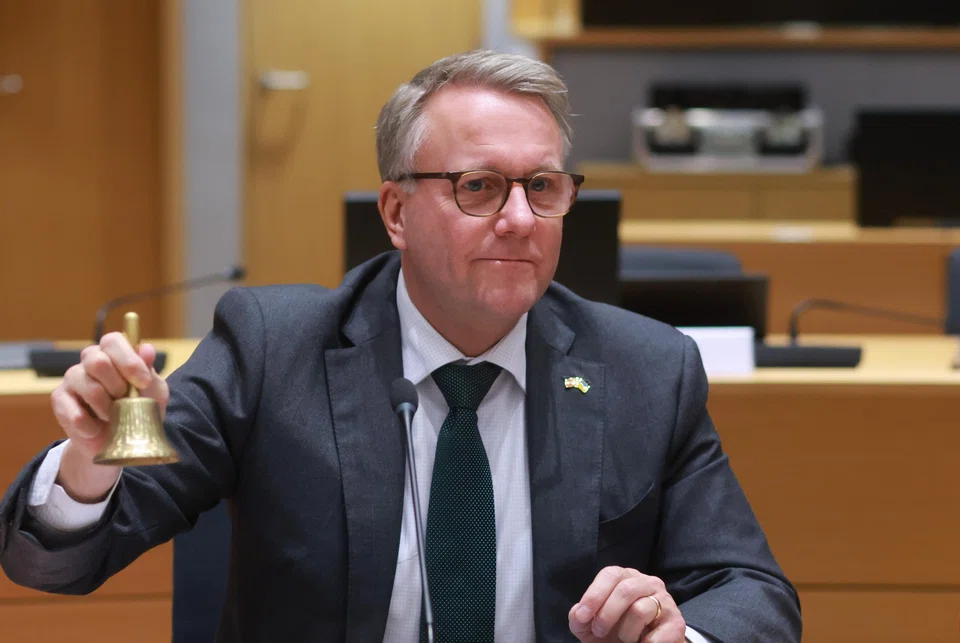
“We achieved a balanced and proportionate framework, focused on the most sensitive technologies and infrastructures,” said Morten Bodskov, Denmark’s minister for industry, business and financial affairs, whose country is chairing the EU’s rotating presidency.
Negotiators from the Council of the EU, representing the member states, and the European parliament finalised the agreement on Thursday morning.
The stricter guidelines are part of the EU’s work to protect its economy as Europe grapples with US President Donald Trump’s tariff war and China’s restrictions on the critical materials that fuel industrial production.
Earlier this month, the EU issued its first economic security doctrine, which stressed that the bloc must ensure inbound investments do not expose critical sectors to hostile ownership. It also insisted such investments should bring added value to the EU and not hollow out the bloc’s technological edge.

The new screening rules update a mechanism first implemented in 2020. They set a minimum scope for review that includes so-called dual-use items, which can have civilian and military uses. The scope also covers military equipment and critical technologies such as artificial intelligence and semiconductors.
Additionally, the scope includes critical entities in energy, transport and digital infrastructure, electoral infrastructure, and some financial entities, such as central securities depositories.
Negotiators excluded critical medicines and limited the types of financial services under the scope. The updated rules, which still need formal ratification, will apply 18 months after the regulation enters into force. BLOOMBERG
Decoding Asia newsletter: your guide to navigating Asia in a new global order. Sign up here to get Decoding Asia newsletter. Delivered to your inbox. Free.
Share with us your feedback on BT's products and services
TRENDING NOW

Once staunchly pro-China, Malaysian Chinese businesses are now distancing themselves from Beijing

Looking beyond looming CEO succession, should UOB potentially pursue a transformative merger?

Could stablecoins be the future of money?

Grab CEO’s wife Chloe Tong on life with Anthony Tan and finding her purpose

