


Global food inflation is expected to intensify as supply shocks pile up
Rising prices heighten risks of social unrest and may prompt trade bans that further exacerbate shortages
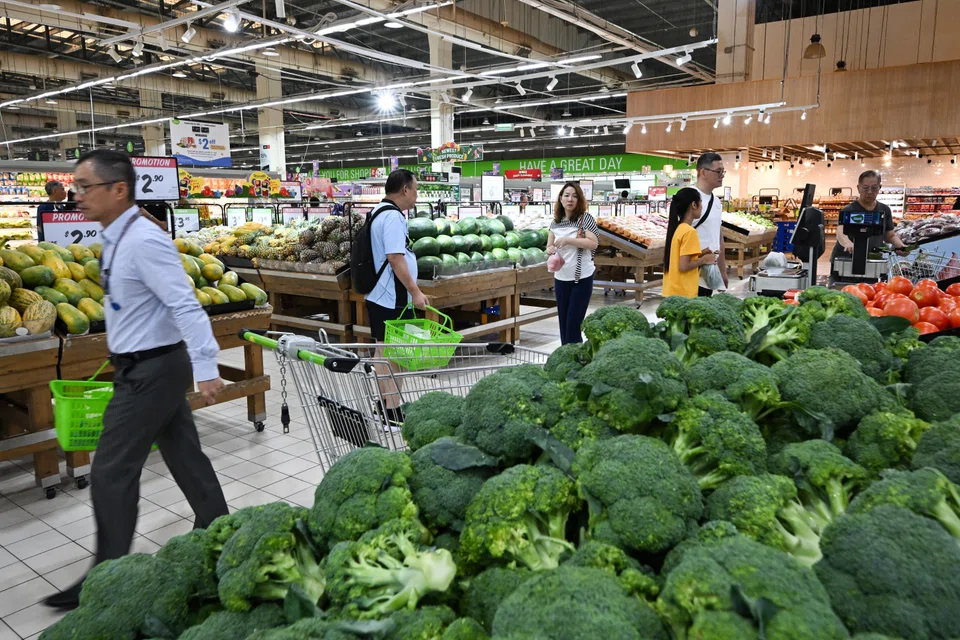
[SINGAPORE/JAKARTA] Global food inflation is poised to accelerate in the coming months and persist well into 2027, as war-related shipping disruptions and El Niño-driven drought squeeze cereal supplies, putting additional pressure on vulnerable consumers across Asia, the Middle East, and North Africa.
In Indonesia, rice prices have jumped to record highs amid forecasts of delayed rains, while the cost of bread in Egypt has risen by a quarter and sugar prices in India hit an all-time high as the weakest monsoon in over a decade curbed production.
“All this has put considerable pressure on the system,” said Maximo Torero, chief economist at the United Nations’ Food and Agriculture Organization (FAO).
“We will see a bigger impact towards the end of the year, at the beginning of next year and potentially throughout next year.”
The FAO Food Price Index, which tracks monthly changes in a basket of internationally traded commodities, averaged 136 points in September, the highest reading since November 2022.
According to the World Bank, food prices in the September quarter outpaced headline inflation in 22 per cent of the 150 countries it analysed, up from 14 per cent in the previous quarter.
Rising prices heighten the risk of social unrest and could prompt key exporting governments to impose trade bans, further exacerbating global shortages.
Multiple supply shocks
Attacks on Black Sea grain infrastructure have disrupted wheat shipments, forcing top importers Egypt and Indonesia to seek alternative supplies, while Red Sea insecurity continues to divert vessels onto longer, costlier routes around Africa.
The US-Israeli war on Iran has raised fuel prices and disrupted fertiliser exports through the Strait of Hormuz, driving up farming costs even as dry El Niño weather reduces output in India and South-east Asia.
SEE ALSO




Wheat prices are up more than 30 per cent in 2026, while rice prices in key Asian exporting countries have risen 10 to 13 per cent in spite of large inventories.
Freight rates have also surged about 50 per cent on key global routes, such as the Black Sea to South-east Asia, driven by rising crude prices and war premiums.
In Egypt, prices of unsubsidised bread have risen to around 5 Egyptian pounds (US$0.093) for a big loaf from 4 pounds in July, while cooking oil has climbed about 40 per cent in the United Arab Emirates.
Vegetable oil in Indonesia has jumped 7 per cent in 2026, despite the country being the world’s largest palm oil producer.
Prices of sugar, onions and pulses in India surged more than 10 per cent in September from a month earlier due to production shortfalls.
Inflation catalyst and mill strain
While food prices have been climbing since late 2025, dwindling local supplies and higher commodity costs feeding through to consumers threaten to trigger a new wave of demand as key importers return to international markets.
“In a couple of months, there could be a significant new wave of demand as importers return to the market,” said Alexander Karavaytsev, a senior economist at the International Grains Council in London.
Food processors buying raw materials on three- to six-month contracts are now renewing those deals at higher prices, with weaker local currencies magnifying the costs when converted from US dollars.
In Indonesia, several wheat millers are operating below capacity as the Russia-Ukraine war has reduced cargo arrivals, with wheat imports dropping 41 per cent to 491,000 metric tonnes in September compared to the prior year. REUTERS
Decoding Asia newsletter: your guide to navigating Asia in a new global order. Sign up here to get Decoding Asia newsletter. Delivered to your inbox. Free.
Share with us your feedback on BT's products and services
TRENDING NOW

Far East Organization’s The Serra Residences sells less than a quarter of units released at average S$3,460 psf

A bumpy road ahead for some of Singapore’s fresh graduates in their job search

Philippine power giant First Gen rebuffs foreign offers, plans up to US$2.6 billion in expansion

No chicken feed: How Malayan Flour Mills built an empire from flour to fowl

