



Hormuz traffic slumps as Iran and US step up attacks
Iranian media reported that five bridges were hit in the latest round of US strikes
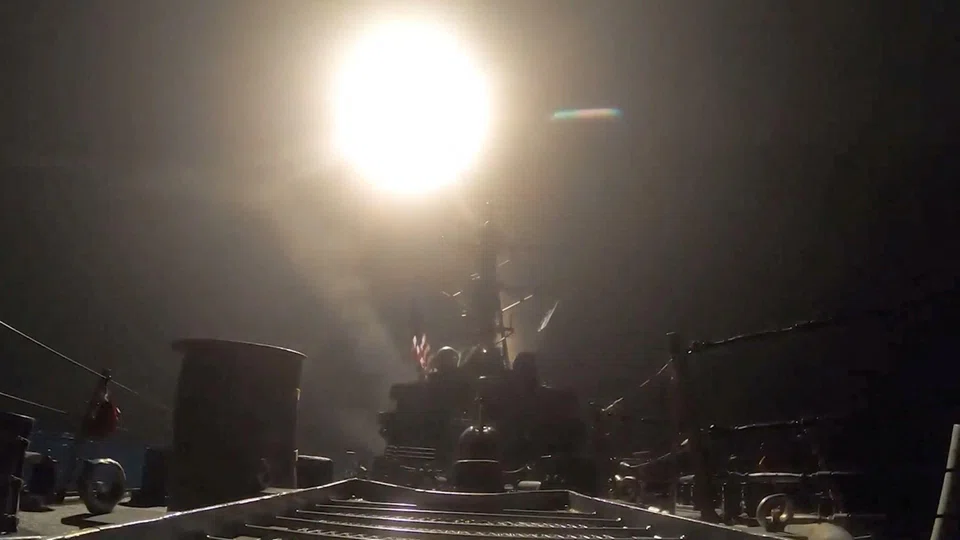
[DUBAI] Iran said it launched fresh attacks on US facilities in the Gulf on Friday (Jul 17) after a sixth consecutive night of US strikes on Iranian military facilities, as June’s truce between both sides descended into daily attacks and counterattacks.
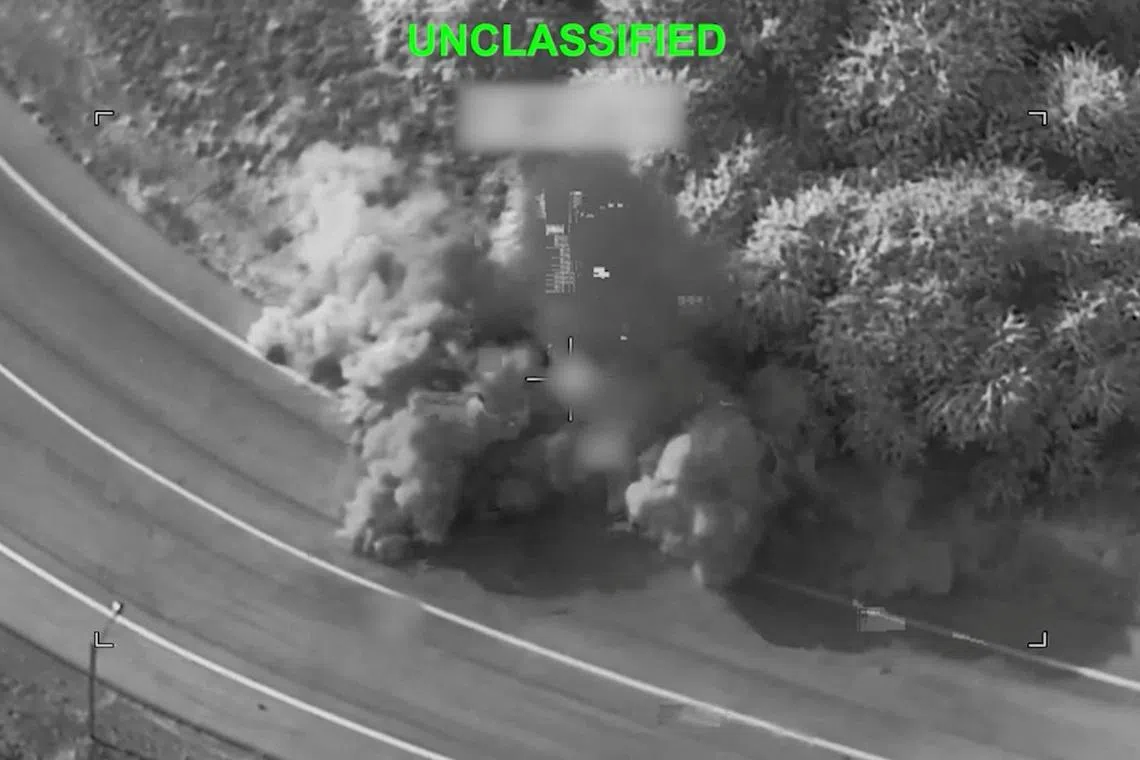
The US military said it completed another night of strikes on Iran “to further degrade Iranian military capabilities”, including on Qeshm Island and near Bandar Abbas, home to Iran’s largest port and key navy and Revolutionary Guards facilities.
“US forces, including fighter jets, aerial drones, and warships, launched precision munitions that hit dozens of Iranian military targets such as coastal surveillance and air defence sites, military logistics infrastructure, and maritime capabilities,” the US Central Command said in a statement.
Iran has fired missiles and drones at US military bases in neighbouring states, including an air base in Jordan.
In the early hours of Friday, Iran’s military said it had attacked US facilities in Bahrain and Kuwait. Several explosion-like sounds were heard in the Qatari capital Doha, according to a witness, and the Ministry of the Interior said a child was injured by shrapnel.
Iranian media reported that five bridges were hit in the latest round of US strikes, as well as the train station in coastal Bandar Khamir and Iranshahr Airport in south-eastern Iran.
Seven people were killed in US attacks on bridges in Bandar Khamir, a port city in southern Iran, state news agency IRNA reported.
Reuters could not immediately verify the reports.
Shipping halted again in strait of Hormuz
The escalation has once again largely halted traffic through the Strait of Hormuz, the world’s most important shipping route for oil and gas, pushing up global energy prices.
SEE ALSO

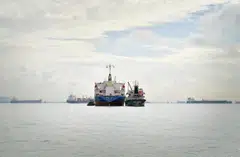
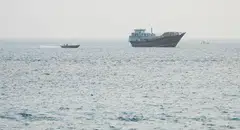
Teheran resumed its blockade of the strait and Washington again blockaded Iranian ports from Wednesday.
Iran has signalled it could prod its Houthi allies in Yemen to close another key strait: the Bab al-Mandeb at the mouth of the Red Sea, sources told Reuters, if Washington attacks Iran’s infrastructure.
Iran in the week ended Jul 12 hit ships moving through a corridor in the strait.
Karoline Leavitt, White House press secretary, told a briefing on Thursday that US President Donald Trump would not “sit by and allow these active acts of terrorism to take place in the strait without ensuring Iran pays consequences for that.”
But she added the president was “always open to diplomacy at the very same time.”
Iranian sources told Reuters that Iran’s aim was to establish its authority over the strait, although Teheran was not keen on an escalation that would torpedo June’s memorandum of understanding, which it still regards as giving it most of what it sought.
Within Iran, the renewed bombing has unnerved residents.
“Living with this fear that war could start again is very exhausting. You cannot live like this... Personally, I want diplomacy to prevail,” Mahlegha, 46, a government employee, told Reuters from Teheran.
Iran keeps grip on strait
Iran wants all ships using the Strait of Hormuz to travel through a channel close to its shores, and intends to charge passage fees at the end of a 60-day negotiation period set in June’s memorandum.
Washington had encouraged ships to use an alternative route to the south, along the Omani coast.
US forces said their airstrikes have hit military targets along the coast to cripple Iran’s ability to control the strait. Iranian Army spokesperson Brigadier General Mohammad Akraminia said on Thursday this would not work because Iran could strike the strait from anywhere on its territory.
Trump has not ruled out the possibility of using ground forces, including to seize Kharg Island, the site of Iran’s main oil export terminal. He has repeated threats to hit Iranian power plants and bridges next week unless Tehran resumes negotiations. REUTERS
Decoding Asia newsletter: your guide to navigating Asia in a new global order. Sign up here to get Decoding Asia newsletter. Delivered to your inbox. Free.
Share with us your feedback on BT's products and services
TRENDING NOW

LTA proposes combining car COE categories, adding rebate-surcharge system

StarHub to acquire MyRepublic’s mobile business amid ongoing telco consolidation

DBS, OCBC, UOB rout lops billions off STI as inflation, rate concerns spook investors

Grab CEO’s wife Chloe Tong on life with Anthony Tan and finding her purpose

