



IEA members could release more oil stocks ‘as and if needed,’ agency chief says
More than 1.4 billion barrels remain in members’ emergency oil stocks
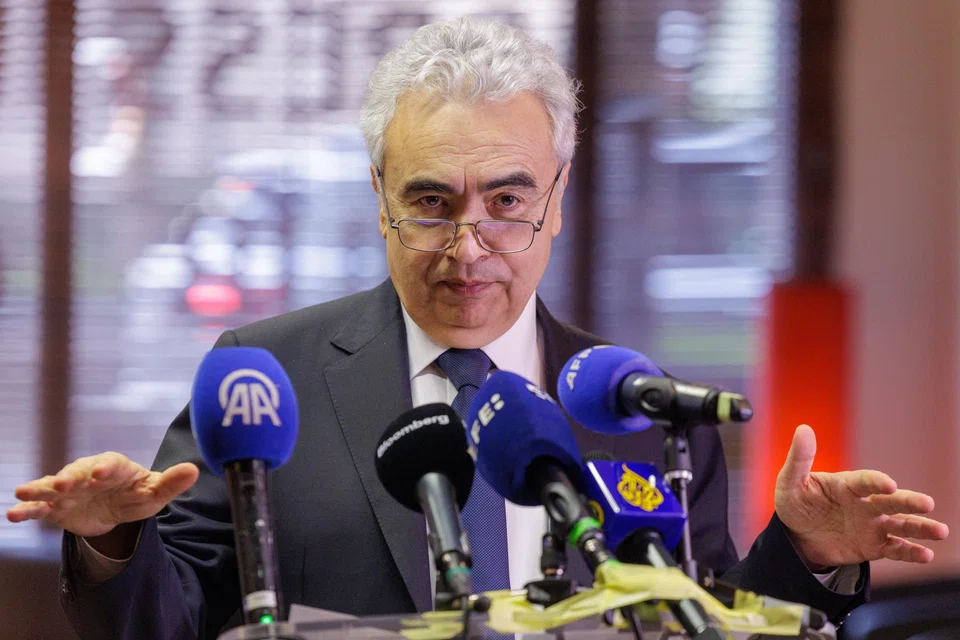
[PARIS] Member countries of the International Energy Agency (IEA) could release more oil into the market later “as and if needed” after they have already agreed the largest-ever reserve release, executive director Fatih Birol said on Monday (Mar 16).
Birol said there will still be over 1.4 billion barrels remaining in IEA members’ emergency oil stocks.
“Despite this huge release, we still have a lot of stocks left. This current stock release, once it is completed, will reduce the emergency stocks in IEA countries only by around 20 per cent,” Birol said in a video statement.
According to Birol, oil from the IEA reserves was already flowing in Asia after countries had decided to make 400 million barrels of crude available as oil prices started spiking in the wake of the US-Israeli war against Iran.
IEA, created in 1974 after the 1973 oil crisis, groups 32 countries from all continents.
“The volume of oil supply now offline is already higher than the supply loss during the oil shock of 1973, and higher than any of the big disruptions we have witnessed since then,” Birol said.
SEE ALSO





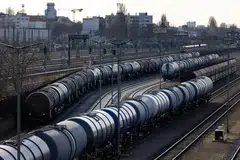

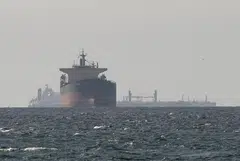
Oil prices fell on Monday amid attacks on Gulf oil production and US President Donald Trump’s call for global efforts to secure the Strait of Hormuz, which is a critical waterway for a fifth of the world’s oil and gas supplies. REUTERS
Decoding Asia newsletter: your guide to navigating Asia in a new global order. Sign up here to get Decoding Asia newsletter. Delivered to your inbox. Free.
Share with us your feedback on BT's products and services
TRENDING NOW

Britain’s mansion tax shows the difficulty of targeting wealth

Once staunchly pro-China, Malaysian Chinese businesses are now distancing themselves from Beijing

The only common thing in S-E Asia is that we all eat rice: Cisco’s Asean president

Singapore data centre operator DayOne opts for US IPO at likely US$20 billion valuation

