
India approves limited easing of Chinese investment curbs after years of friction
The easing of FDI rules could draw investments from Chinese firms to manufacture in India
[NEW DELHI] India on Tuesday (Mar 10) approved easing restrictions on Chinese investments in select sectors, the government said, to help ease a capital squeeze and marking a reset of economic ties after six years of friction.
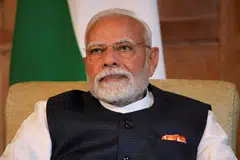
Prime Minister Narendra Modi’s Cabinet approved changes to foreign direct investment rules that restricted investments from China and other land-bordering countries, to allow investments in electronics, capital goods and solar cell sectors, according to a statement.
New Delhi tightened scrutiny of investments from Chinese companies in 2020, as relations between the two nuclear nations soured after clashes between their soldiers on their largely undemarcated Himalayan frontier killed 20 Indian and four Chinese soldiers. Since then, investments by Chinese entities in Indian companies have required security clearance from a panel comprising India’s home and foreign ministries.
Due to these restrictions, deals such as a 2023 plan by China’s BYD to invest US$1 billion in an electric car joint venture, were shelved.
The easing of FDI rules could draw investments from Chinese firms to manufacture in India rather than shipping components and finished goods. India’s trade deficit with China rose to US$99 billion in FY25 driven heavily by imports of electronics, components and machinery.
The easing was driven by industry demands, as the 2020 curbs constrained manufacturers that depend on Chinese technology and capital. India’s policy think tank, NITI Aayog, last year said the curbs delayed several sizeable deals and recommended allowing Chinese companies to take a stake of up to 24 per cent in Indian companies without approvals, Reuters reported.
SEE ALSO
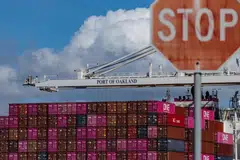
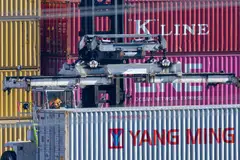
Global realignment sparked by US tariffs has already prompted India to consider a calibrated reset with China to keep supply chains steady and attract investments.
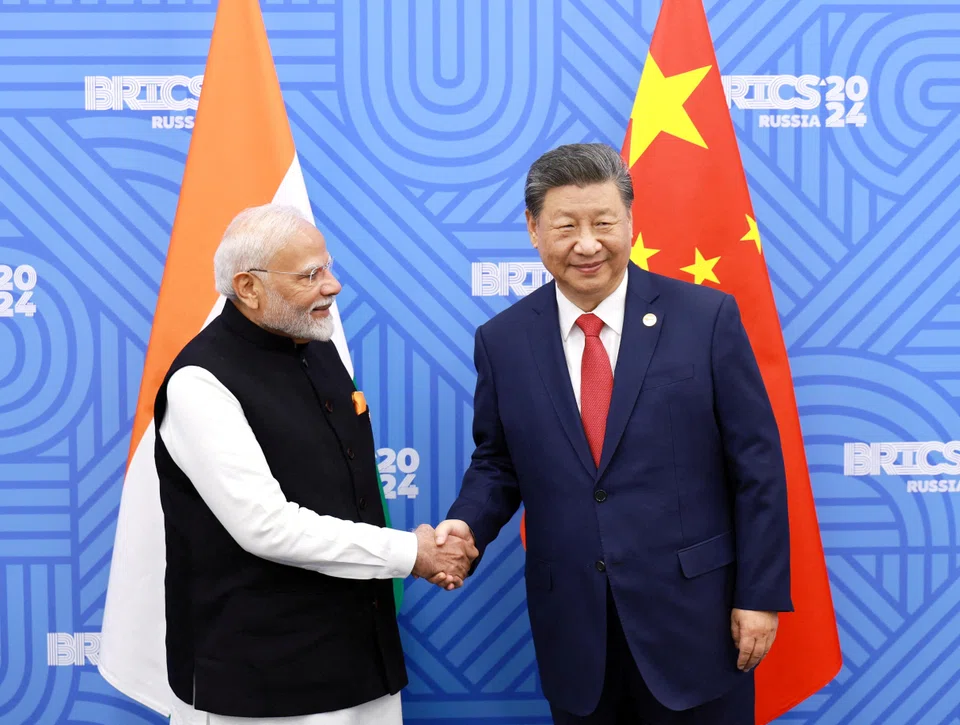
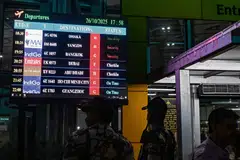
Modi visited China for the first time in seven years in August and discussed ways to improve ties when he met Chinese President Xi Jinping. India and China have since resumed direct flights, and New Delhi eased visa procedures for Chinese business professionals.
India has also eased curbs on the procurement of Chinese equipment by state-run power and coal companies, Reuters reported last month. REUTERS
Decoding Asia newsletter: your guide to navigating Asia in a new global order. Sign up here to get Decoding Asia newsletter. Delivered to your inbox. Free.
Share with us your feedback on BT's products and services