India’s budget maintains fine balance between fiscal prudence and economic growth
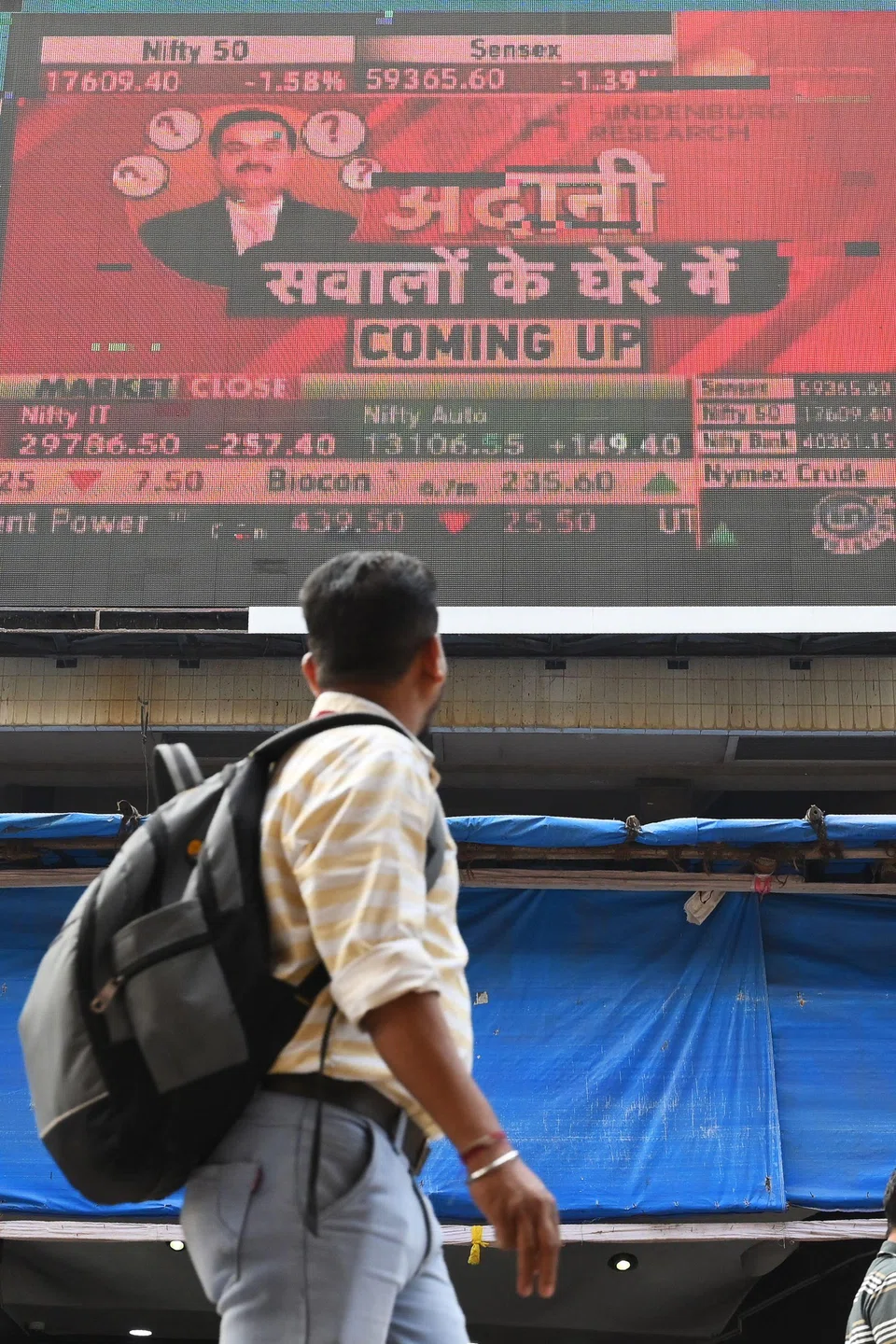
[NEW DELHI] India’s Finance Minister Nirmala Sitharaman on Wednesday (Feb 1) unveiled a 45 trillion rupees (S$715.1 billion) budget for the next fiscal year starting in April, with the government eager to strike a fine balance between fiscal prudence and a continuous focus on economic growth at a difficult time when the next general election is just a year away.
This was the last full-year budget before the world’s fifth-largest economy heads to the polls for an election due by May 2024, with Prime Minister Narendra Modi seeking a third term in office. Here are four key takeaways from the budget:
All-time high capex plan
The outlay for capital expenditure went up by 33 per cent year-on-year to 10 trillion rupees – the highest ever at 3.3 per cent of the country’s gross domestic product (GDP). This will likely see improvements to physical infrastructure such as roads, railways, ports and airports.
Anand Rathi, the founder and chairman of financial services firm Anand Rathi Group, said: “A boost to capital expenditure before the national polls is an indication that Modi is focused on realising his dream of making India a factory for the world. It will play a crucial role in making India a reliable investment destination.”
Fiscal prudence
The government showed its commitment to reduce the fiscal deficit to 5.9 per cent of GDP for the new financial year, compared to 6.4 per cent in the previous financial year. The medium-term target of a 4.5 per cent fiscal deficit by FY2026 is in line with market expectations. The estimates for gross and net borrowings were also mostly in line with expectations, and this cheered the bond markets.
Gross borrowing has been set at 15.4 trillion rupees for FY2024 (up from 14.2 trillion rupees in FY2023), and 11.8 trillion rupees on a net basis (up from 11.1 trilion rupees in FY2023).
“We need to see how much of that could be raised via recently introduced green bonds. India’s maiden sovereign green bond issuance (in January) fetched a better-than-expected yield and the next tranche is planned for Feb 9,” said Rathi. These bonds have no restrictions on foreign investments.

As far as the rupee is concerned, Naveen Mathur, the director of commodities and currencies at Anand Rathi Share and Stock Brokers, sees the currency stabilising at around 78-79 to the US dollar over the next one to two years. The rupee was trading at around 82.17 to the greenback on the evening of Feb 2.
“The US Federal Reserve is no longer hawkish and this is reflected in the depreciating dollar index. A fall in the dollar index will see the rupee appreciate,” added Mathur.
Boost to Gujarat’s Gift City
There were multiple announcements to promote and incentivise activities at the International Financial Services Centre (IFSC) at the Gujarat International Finance Tec-City – or Gift City – in Gujarat state.
The most important one was the tax neutrality offered to offshore funds that relocate to the IFSC. This incentive was due to expire by March this year, but the government extended this by two years. The move will benefit offshore funds based in jurisdictions such as Singapore, the Cayman Islands, Mauritius, Luxembourg and Ireland.
Foreign payments are costlier
The Indian government deducts some tax beforehand when a citizen makes a foreign payment under the liberalised remittance scheme (LRS), and this is called “tax collected at source”, or TCS. In her speech, Sitharaman increased the TCS to 20 per cent without any upper or lower limits, up from 5 per cent earlier for overseas tour packages and on certain remittances out of India.
This move will hurt foreign tourism and foreign investments, according to Amit Maheshwari, a partner at tax and consulting firm AKM Global. “This would pose challenges for people intending to go for foreign travel and who wish to invest in overseas stocks as it will increase their immediate outlay,” he said.
For example, if a person shells out 200,000 rupees to invest in foreign stocks, they can only invest 160,000 rupees, excluding banking and forex charges.
Decoding Asia newsletter: your guide to navigating Asia in a new global order. Sign up here to get Decoding Asia newsletter. Delivered to your inbox. Free.
Share with us your feedback on BT's products and services