



Iran price shock is set to hit products from cleaning to tyres
The impact has been more immediate in Asia; disruptions are now starting to reach Europe
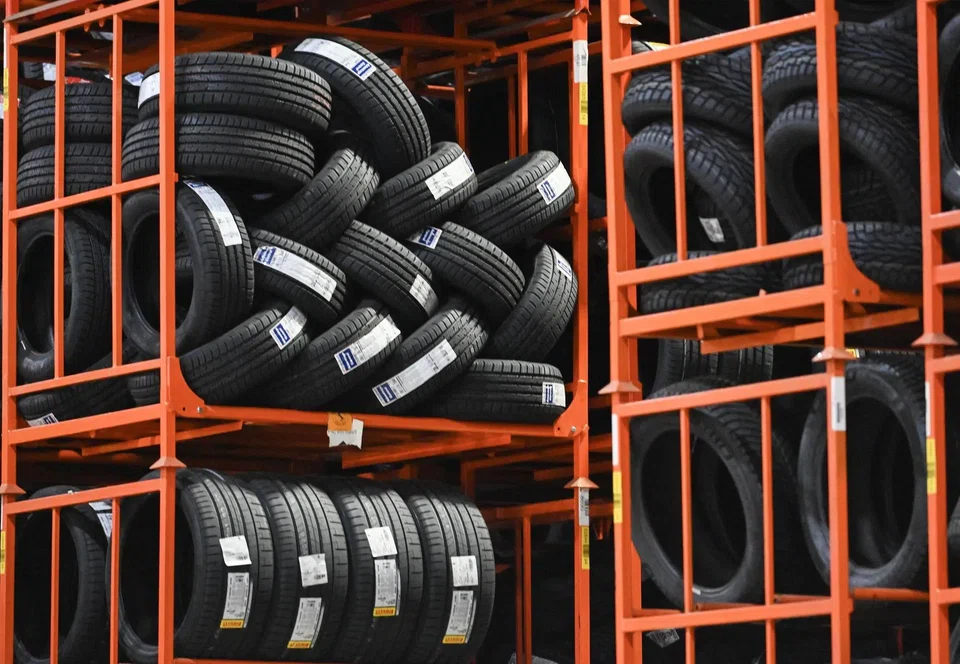
[MUNICH, Germany] Consumers are set to start feeling the impact of the Iran war beyond filling up their cars with price jumps on ingredients for everyday cleaning products, tyres and animal feed.
Europe’s chemical makers BASF and Lanxess are among companies boosting prices significantly due to shortages and higher expenses for chemical feedstocks. The ingredients go into a broad range of home and industrial detergents, coatings as well as car tyres.
BASF, which counts Domestos and Persil makers Unilever and Henkel among customers, on Wednesday (Mar 18) said its suite of products for detergents and industrial products will rise by some 30 per cent or more.
Lanxess said it will hike prices on inputs for tyres by 50 per cent and more, to account for higher energy and raw material costs as well as logistics.
The Middle East conflict has driven up oil and gas prices – key feedstocks for the chemical industry as well as major energy sources. Combined with disruptions to global shipping routes, the war is set to deepen challenges for an already struggling sector, Germany’s chemical industry association VCI and union IGBCE warned last week.
Evonik Industries, a chemical company making more than 9,000 products, said it’s seeking to pass on price increases. For methionine, used in animal nutrition, the firm raised prices by 10 per cent this month, before declaring force majeure on one of its plants in Singapore.
The increases are likely to find their way to breeders of chickens and cows globally.
“Other chemical companies in Europe will also increase their prices,” said Philip Geurts, chemicals associate at BloombergNEF. “Asia is on the verge of a severe supply shortage that hasn’t fully materialised yet, as earlier shipments are only now running out about 18 days into the war.”
The impact has been more immediate in Asia, where chemical plants depend heavily on base ingredients from the Middle East. Disruptions are now starting to reach Europe as well.
SEE ALSO



Production at Agrofert’s ammonia plants has been reduced to a technical minimum of 85 per cent across Europe, affecting major fertiliser producers in countries such as Germany and Slovakia.
Apart from chemical makers, other producers like Heidelberg Materials plan to lift prices to mitigate surging costs.
“On the transport side we do see some cost inflation – that’s why we also need to warn our customers that prices are going to rise,” chief executive officer Dominik von Achten said in an interview with Bloomberg Television.
The German building materials maker of cement and other products will add temporary surcharges, for now, rather than general prices increases.
“If this goes on for longer, you know, things mount up,” von Achten said. “We have learnt from the crisis of the past and need to act fast.” BLOOMBERG
Decoding Asia newsletter: your guide to navigating Asia in a new global order. Sign up here to get Decoding Asia newsletter. Delivered to your inbox. Free.
Share with us your feedback on BT's products and services
TRENDING NOW

Once staunchly pro-China, Malaysian Chinese businesses are now distancing themselves from Beijing

Looking beyond looming CEO succession, should UOB potentially pursue a transformative merger?

Could stablecoins be the future of money?

Grab CEO’s wife Chloe Tong on life with Anthony Tan and finding her purpose

