Iran says truce depends on US, Israel pledging not to strike
Teheran continues to fire missiles and drones towards Israel and Gulf states
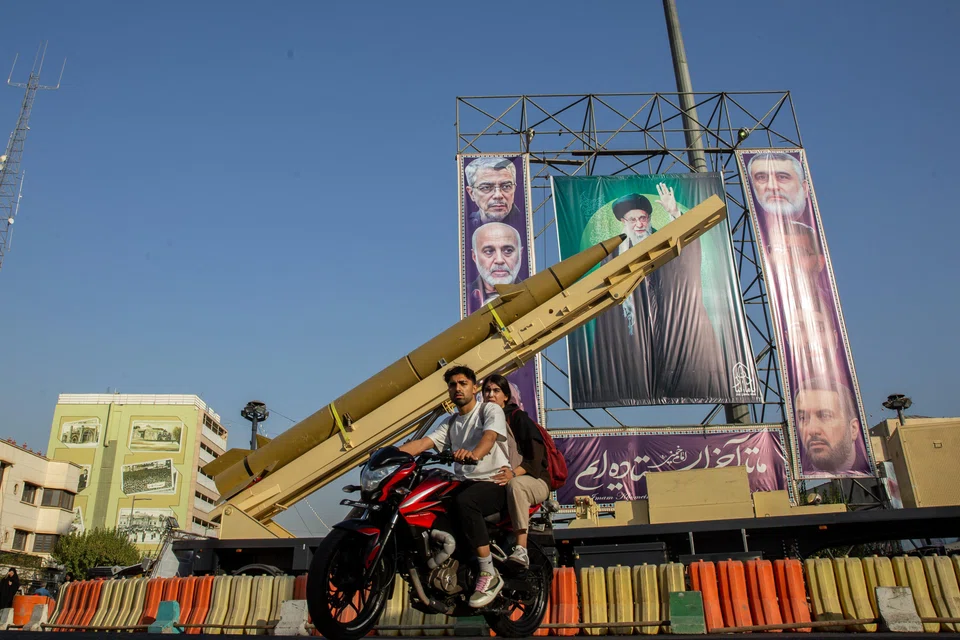
[LONDON/ROME/PARIS] Iran has told regional intermediaries that for a ceasefire, the US must guarantee that neither it nor Israel will strike the country in the future, according to several officials familiar with the matter.
Iran is particularly concerned Israel will attack again after the current war ends, said the sources, who asked not to be identified discussing sensitive matters.
It’s unclear if the US is willing to give Iran such a pledge and if it would be able to insist on Israel doing the same.
The back-channels are being facilitated by European and Middle Eastern countries, the sources said.
Late on Wednesday (Mar 11), Iranian President Masoud Pezeshkian said that the only way to end the war is “recognising Iran’s legitimate rights, payment of reparations, and firm international guarantees against future aggression”. He said that he gave that message to the “leaders of Russia and Pakistan”.
Asked for comment, a senior White House official said that the campaign against Iran continues unabated. The official cited US President Donald Trump as saying Iran’s potential new leaders have indicated they want to talk and eventually will talk.
The war between US-Israel and Iran that began on Feb 28 shows little sign of an imminent de-escalation. Trump has said this week that it could be over soon because the Iranian military has been degraded to a huge extent. But in public, all three countries say they are prepared to continue fighting for at least a number of weeks.
Iran continues to fire missiles and drones towards Israel and Gulf states such as Saudi Arabia, the United Arab Emirates, Qatar and Bahrain. Its strikes on ships have effectively closed the Strait of Hormuz, through which one-fifth of the world’s oil and natural gas flows, causing chaos in energy markets.
Saudi Arabia intensified its direct engagement with Iran last week in a bid to contain the conflict, Bloomberg reported. Other Gulf states, who are seeing their economies and financial markets take a hit because of the war, are also trying to speak to Iran and to the US, the officials said.
SEE ALSO


Oman’s Sultan Haitham bin Tariq spoke to Iranian President Masoud Pezeshkian on Wednesday, the first such call between the pair since the conflict erupted. The sultan condemned Iran’s attacks on Oman, according to Omani state media, which disclosed few other details. The call came after drones struck fuel tanks at Salalah port in southern Oman.
The US and Israel have sent mixed messages on their war aims. Initially, they both implied they wanted regime change. But despite Supreme Leader Ayatollah Ali Khamenei being killed in the opening salvos, Iran has stood firm and proved its resilience militarily. It signalled its defiance by choosing Khamenei’s hardline son Mojtaba as the new supreme leader.
The Israeli and US governments have since suggested they would accept lesser goals than an overthrow of the Islamic Republic. Those include the destruction of Iran’s missile programme and its navy. BLOOMBERG
Decoding Asia newsletter: your guide to navigating Asia in a new global order. Sign up here to get Decoding Asia newsletter. Delivered to your inbox. Free.
Share with us your feedback on BT's products and services