



Iran war is causing biggest-ever oil market disruption, IEA says
The conflict will slash global oil supply by eight million barrels a day this month
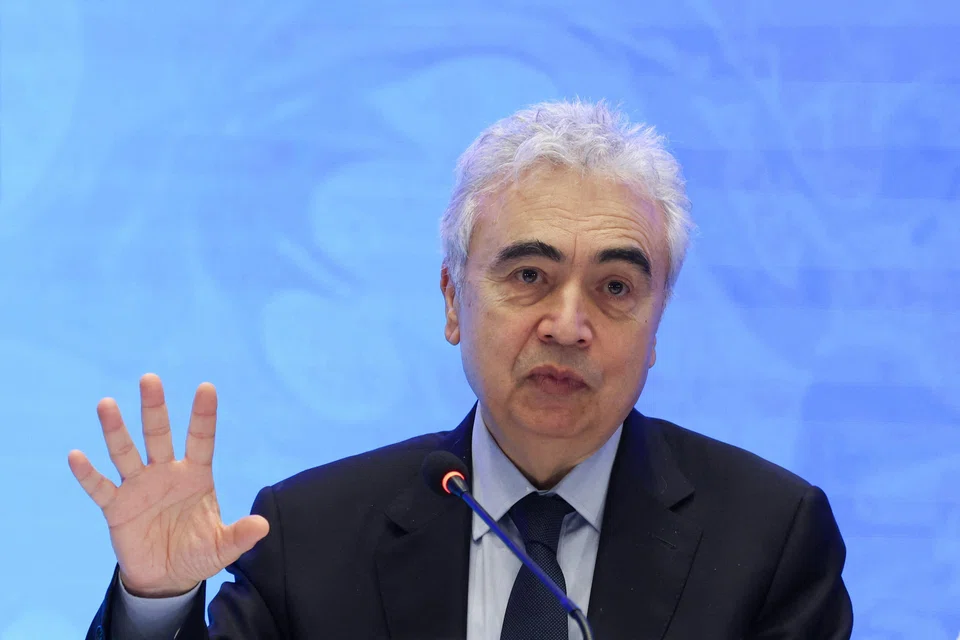
[PARIS] The Iran war is causing unprecedented turmoil in oil markets, hitting 7.5 per cent of global supply and an even bigger swath of exports, the International Energy Agency (IEA) said.
“The war in the Middle East is creating the largest supply disruption in the history of the global oil market,” the IEA said in its monthly report on Thursday (Mar 12). The previous day, its members agreed to release an unprecedented 400 million barrels from emergency reserves in a bid to calm the market.
Oil prices surged after the US and Israel launched attacks on Iran on Feb 28 with tankers stopping transit through the critical Strait of Hormuz waterway as a result. Flows through the strait, through which 20 million barrels of crude and products passed last year, are down by more than 90 per cent, the IEA estimates.
The conflict will slash global oil supply by eight million barrels a day this month, the IEA said. The resulting price surge, flight cancellations and economic uncertainty are also taking a toll on demand, the agency said, cutting its estimates for global consumption growth this year by roughly 25 per cent to 640,000 barrels a day. That’s the lowest since it introduced forecasts for this year last April.
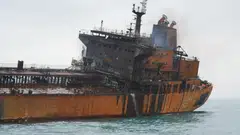
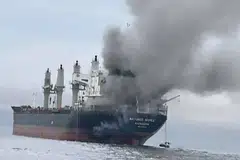
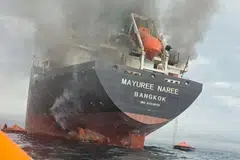
Brent crude climbed back above US$100 a barrel in London on Thursday as two crude tankers were hit in Iraqi waters and Oman’s evacuated its key oil export terminal.
While Saudi Arabia and the United Arab Emirates can divert some of their exports on alternative routes, the effective closure of the strait has forced producers around the Gulf to collectively shutter roughly 10 millions of daily production, according to the agency.
'%3e%3cpath%20d='M12.1475%2025.5262C13.7713%2025.4295%2014.94%2023.913%2014.94%2021.8832C14.94%2019.5359%2013.474%2018.093%2011.5917%2018.093C11.3745%2018.093%2010.9582%2018.093%2010.8393%2018.1413V25.2086L11.8891%2025.5745C11.8891%2025.5745%2012.207%2025.5262%2012.1475%2025.5262ZM11.4934%2017.6281C13.2567%2017.6281%2014.3843%2016.4292%2014.3843%2014.4501C14.3843%2012.372%2013.275%2011.2973%2011.4339%2011.2973H10.8393V17.6305H11.4934V17.6281ZM6.66078%2025.6482L7.39265%2025.5492C8.02617%2025.4502%208.26403%2025.3053%208.26403%2025.1097V11.6149C8.26403%2011.4193%208.1451%2011.3709%207.23484%2011.249L6.68137%2011.173L6.6219%2010.7588H11.9508C15.7153%2010.7588%2017.0624%2012.0797%2017.0624%2014.1578C17.0624%2015.9666%2015.7748%2017.1909%2013.4969%2017.6305V17.7041C16.111%2017.948%2017.6571%2019.5382%2017.6571%2021.7636C17.6571%2024.3318%2015.8937%2026.0417%2012.1109%2026.0417H6.60132L6.66078%2025.6482Z'%20fill='%232B2B2B'/%3e%3cpath%20d='M20.6287%2025.6505L21.5596%2025.5515C22.1725%2025.4779%2022.4104%2025.3076%2022.4104%2025.112V11.249H21.9346C20.073%2011.3479%2018.982%2013.0095%2018.408%2014.6227L18.1907%2015.5018H17.6555L18.1701%2010.7588H29.3837L29.6421%2015.4787H29.1664L28.9491%2014.6227C28.3728%2012.8645%2027.3047%2011.2743%2025.5002%2011.249H24.9856V25.1856C24.9856%2025.3812%2025.1251%2025.4548%2025.9965%2025.5515L26.7695%2025.6505L26.829%2026.0417H20.5693L20.6287%2025.6505Z'%20fill='%232B2B2B'/%3e%3c/g%3e%3cdefs%3e%3cclipPath%20id='clip0_5242_21648'%3e%3crect%20width='24'%20height='16.8'%20fill='white'%20transform='translate(6%2010)'/%3e%3c/clipPath%3e%3c/defs%3e%3c/svg%3e)
The supply shock has pared the IEA’s projections for a global surplus in 2026 by just over a third to about 2.4 million barrels a day.
Before the crisis, the IEA projected a record oil glut for this year as swelling supply from across the Americas – driven the US, Canada, Guyana and Brazil – exceeded growth in consumption.
Output losses in the Middle East are being tempered by higher output from producers outside of the Organization of the Petroleum Exporting Countries and its partners, as well as increases by Opec+ members Kazakhstan and Russia, the IEA said.
SEE ALSO
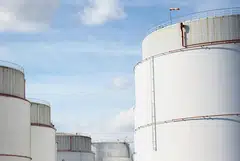
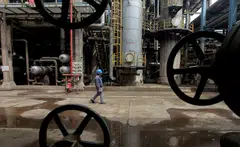
The closure of Hormuz also jeopardises about four million barrels a day of regional refining capacity, the agency said. Constraints on the availability of feedstock limits the ability of other regions to offset the squeeze, posing particular risks for supplies of diesel and jet fuel.
On Wednesday, IEA executive director Fatih Birol announced that the agency’s members – which consist of 32 OECD nations – would draw 400 million barrels from emergency reserves. Key details on the pace and duration of the planned releases weren’t specified.
US Energy Secretary Chris Wright said the country would deploy 172 million barrels of this from its Strategic Petroleum Reserve, though it will take about 120 days to fully deliver. BLOOMBERG
Decoding Asia newsletter: your guide to navigating Asia in a new global order. Sign up here to get Decoding Asia newsletter. Delivered to your inbox. Free.
Share with us your feedback on BT's products and services
TRENDING NOW

Once staunchly pro-China, Malaysian Chinese businesses are now distancing themselves from Beijing
Stocks to watch: HPL, Aims Apac Reit, Zico, Advanced Systems Automation, ComfortDelGro

‘How many will survive?’: Bubble fears arise as China’s humanoid robotics face reality check
Smaller board lots can’t fix a market run by three banks

