



Iran war forces Japanese auto-parts suppliers to turn to Russia’s Rusal
Sources say aluminium producers are likely to ask for long-term agreements for urgently needed supply
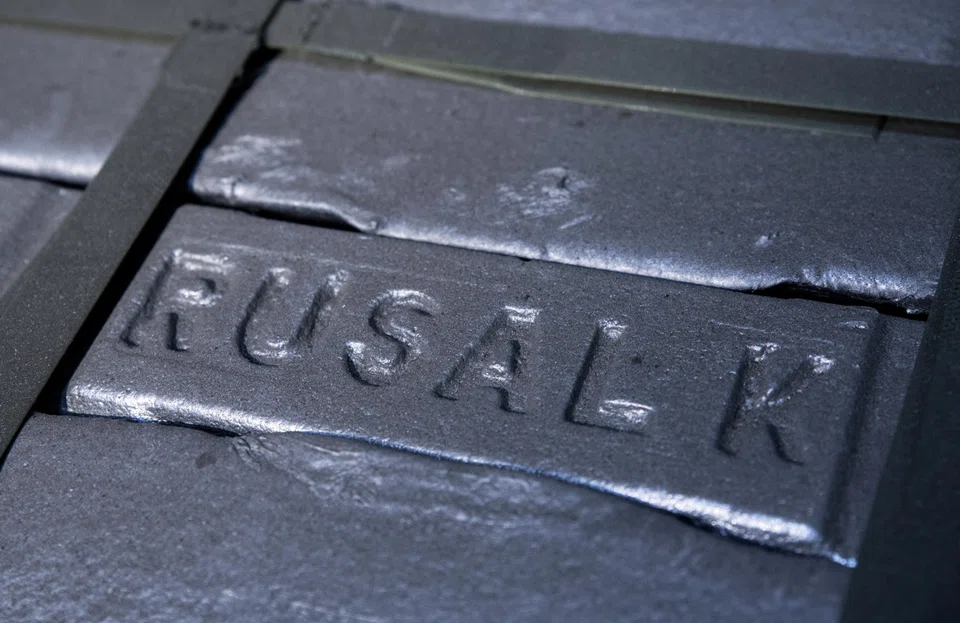
[SINGAPORE] Disruptions in the aluminium trade caused by a widening conflict in the Middle East have pushed several Japanese auto-parts manufacturers into talks with Russian giant United Company Rusal International, said sources.
Negotiations to buy primary foundry alloys (PFAs) – compositions that include aluminium – have been under way for about a week, the sources said. One of them added that some deals could be finalised soon.
PFAs are used in the automotive industry for parts such as wheels, engine blocks and cylinder heads.
A few South Korean auto-parts makers are also in talks with Rusal, said the sources, who asked not to be named as negotiations are private. Japanese and Korean companies are exploring options in India and other Asian producers, they added.
Rusal’s aluminium products are not subject to sanctions specifically, but some buyers – including Japanese firms – have voluntarily avoided purchases since Russia’s invasion of Ukraine in 2022.
The move signals an unexpected shift from that position that underscores the effect of disruptions in the Persian Gulf across commodities markets. The region accounts for about 10 per cent of global aluminium output.
Several factories in the region are key suppliers of PFA. The United Arab Emirates and Bahrain are the two largest aluminium producers in the Gulf, while Emirates Global Aluminium and Aluminium Bahrain are major exporters to Japan and South Korea.
The war has disrupted shipments through the Strait of Hormuz, hitting energy and bulk shipments. Since the start of US-Israeli strikes on Iran, Aluminium Bahrain has declared force majeure, while Emirates Global Aluminium has delayed some loadings.
Rusal has shifted sales to Asia over the past four years as European clients, which once accounted for about half of its demand, became less eager to buy Russian metal. Sales to the European Union further declined after the bloc imposed quotas on Russian aluminium in 2025.
South Korea is one of the destinations that has absorbed Russian aluminium, with this year’s annual volumes seen at just below 500,000 tonnes, said a source, declining to be identified as the information is not public.
Rusal declined to comment.
Any final decision by Japanese companies to buy from Rusal would require a commercial as well as a geopolitical assessment, sources said. Producers are also likely to ask for long-term agreements for urgently needed supply, they added.
Some suppliers to Japanese clients have already withheld shipments since the start of the war, hoping to sell at higher prices. Rio Tinto Group suspended negotiations with Japanese clients over second-quarter primary aluminium deliveries on Mar 2, and withdrew an initial offer of a premium of US$250 a tonne.
The price of the light metal touched its highest level in almost four years in March as hostilities in the Middle East escalated.
In the US, aluminium buyers are also racing to secure alternative sources. The country, home to a large auto industry, relies heavily on imports, with the Middle East supplying nearly a fifth of its aluminium last year. BLOOMBERG
Decoding Asia newsletter: your guide to navigating Asia in a new global order. Sign up here to get Decoding Asia newsletter. Delivered to your inbox. Free.
Share with us your feedback on BT's products and services
TRENDING NOW

Once staunchly pro-China, Malaysian Chinese businesses are now distancing themselves from Beijing

Looking beyond looming CEO succession, should UOB potentially pursue a transformative merger?

Could stablecoins be the future of money?

Grab CEO’s wife Chloe Tong on life with Anthony Tan and finding her purpose

