



Iran war poses mixed risks, negative credit impact for Asia Pacific ports, airports, Fitch says
A prolonged closure of Hormuz could amplify shocks across energy, bulk and container supply chains
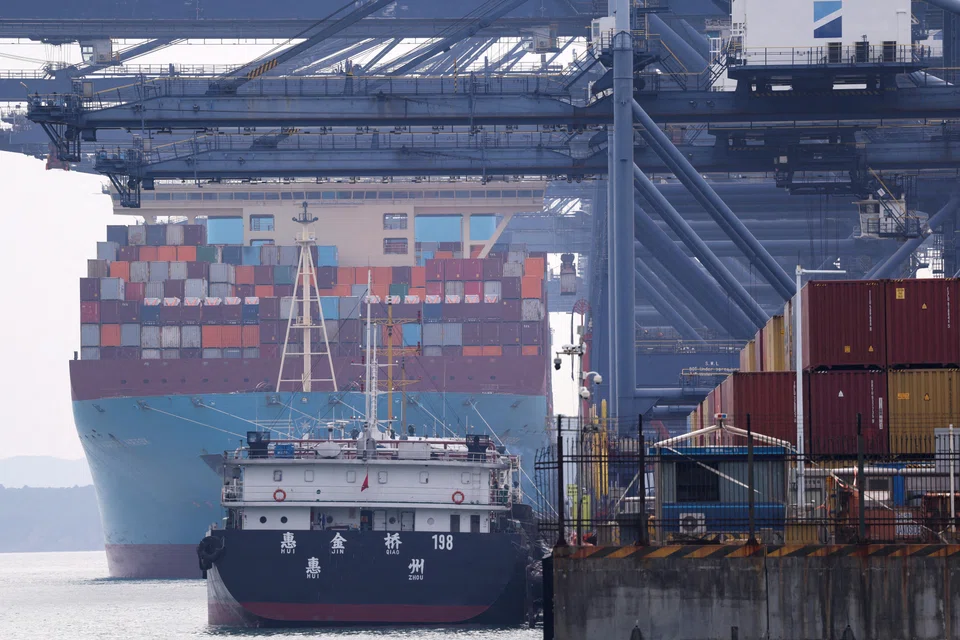
[BENGALURU] Ratings agency Fitch said on Wednesday (Mar 11) that port and airport operators in the Asia-Pacific would face mixed, but increasingly negative, credit effects if Iran-linked shipping and airspace disruption persisted.
The US-Israeli war on Iran and Teheran’s attacks on the Gulf have left Asia’s import-reliant economies particularly exposed to prolonged disruption.
Ports in the Asia-Pacific could experience network disruption, such as re-routing, that could create short-term congestion and longer dwell times, increasing the cost of logistics, equipment and labour, the agency said.
The main risk is a prolonged closure of the Strait of Hormuz, which would amplify shocks across energy, bulk and container supply chains, Fitch said.
The Strait of Hormuz is the world’s most vital oil export route, with a fifth of the world’s total oil consumption passing through the channel.
The agency expects some volume pressure on Indian ports if the war persists due to higher freight costs, economic slowdown and port congestion from schedule disruptions, but the impact should be manageable.
SEE ALSO





China, which relies partly on Gulf-linked crude and products, would require longer-haul replacement cargoes to deal with sustained disruption, the report said.
Additionally, Fitch expects the airports in the region, especially Indian airports, to see near-term traffic volatility if disruption to West Asian airspace persists. REUTERS
Decoding Asia newsletter: your guide to navigating Asia in a new global order. Sign up here to get Decoding Asia newsletter. Delivered to your inbox. Free.
Share with us your feedback on BT's products and services






