



US ‘very close’ to deal with Iran, says Trump; both sides may meet at weekend
Lebanon accused of Israel violating ceasefire with intermittent shelling of several southern Lebanese villages
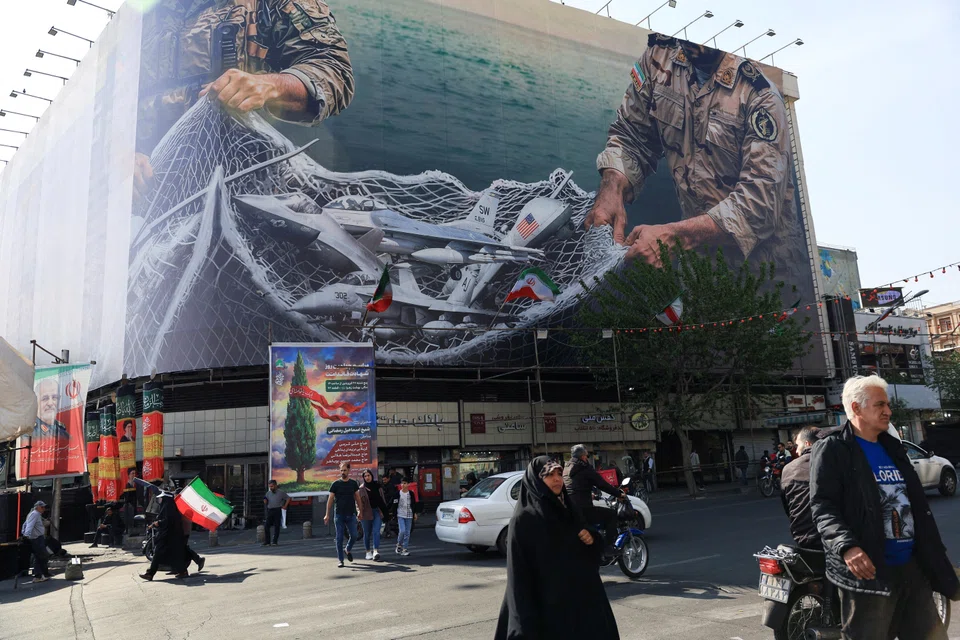
[WASHINGTON/ISLAMABAD] US President Donald Trump expressed confidence that an agreement could soon be reached to end the Iran war and urged the Teheran-aligned Hizbollah group to hold its fire as a 10-day truce went in to effect between Lebanon and Israel. Trump said the next meeting between the US and Iran could take place at the weekend and an extension of a two-week ceasefire was possible, but may not be needed as Teheran wanted a deal. “We’re going to see what happens. But I think we’re very close to making a deal with Iran,” he told reporters outside the White House, adding if an agreement was reached and signed in the Pakistani capital Islamabad, he may go there for the occasion. Hours later while in Las Vegas, Trump went further, saying the war “should be ending pretty soon”. The war with Iran has been unpopular in the US and has left Trump with a political headache just months before a crucial midterm election at home. The US-Israeli attack on Iran that started on Feb 28 has triggered the worst oil price shock in history and led to an International Monetary Fund downgrade of its outlook for the global economy and a warning that prolonged conflict could push the world to the brink of recession. A Pakistani source involved in mediating between the US and Iran said on Friday (Apr 17) there was progress in backdoor diplomacy and that an upcoming meeting between the two sides could result in the signing of an agreement. The two sides would first sign a memorandum of understanding followed by a comprehensive agreement within 60 days, the source said. “Detailed agreement comes later. Both sides are agreeing in principle. And technical bits come later,” the source said, speaking on condition of anonymity. A diplomatic source said the key Pakistani mediator, army chief Field Marshal Asim Munir, had been holding talks in Teheran since Wednesday and had made a breakthrough on “sticky issues”.
Oil price falls on deal hopes
Oil prices fell in early trade on Friday and Asian stocks headed for a second week of strong gains on optimism the Middle East conflict could be nearing an end, even though the critical Strait of Hormuz, an artery for a fifth of the world’s oil and gas supply, remains effectively closed. The MSCI’s broadest index of Asia-Pacific shares outside Japan was down 0.8 per cent as investors locked in profits after a blistering rally in April, with the index close to its highest since the Iran war broke out. Japan’s Nikkei slipped 1 per cent after hitting a record high on Thursday and almost all stock markets were back to pre-war levels. Brent crude futures declined to US$98.17 a barrel at 0434 GMT (12.34 pm on Friday in Singapore) while US West Texas Intermediate crude futures fell to US$93.47 a barrel, trimming gains from the previous session. France and Britain will chair a meeting on Friday of around 40 countries aimed at signalling to the US that some of its closest allies, many chided by Trump for failing to act, are ready to help restore freedom of navigation in the Strait of Hormuz once conditions allow.
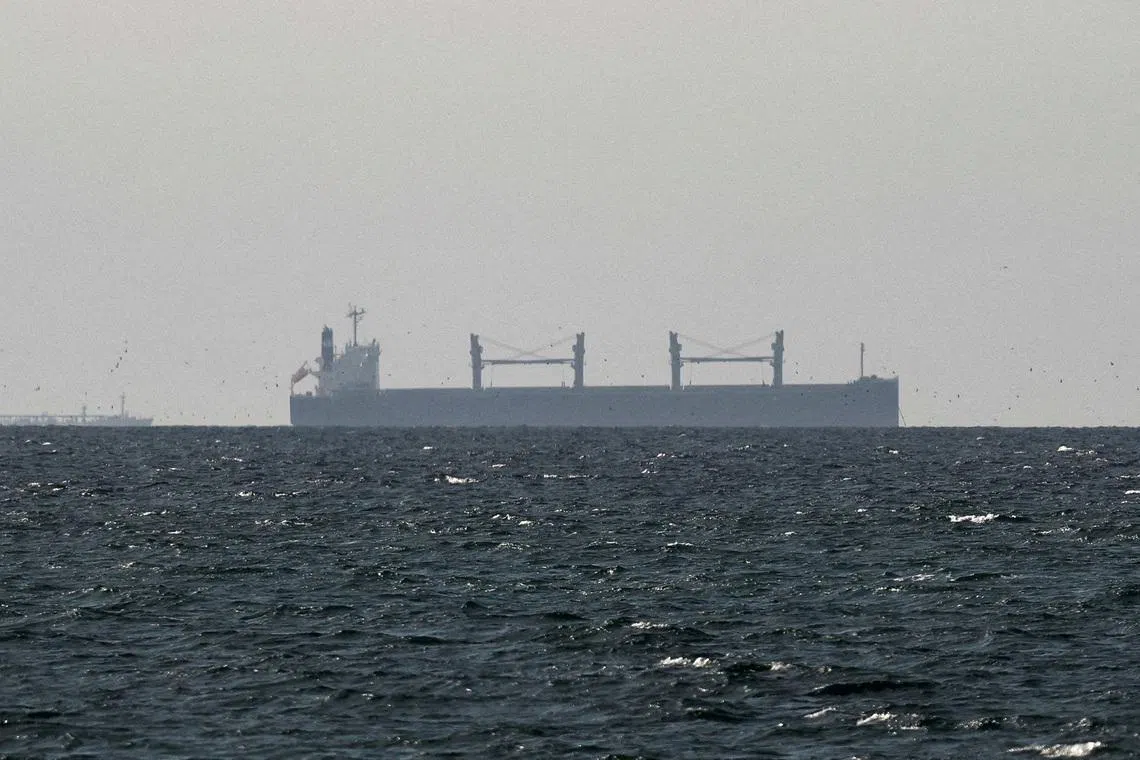
Iran has largely closed the strait to ships other than its own, and Washington this week imposed a blockade on ships entering or leaving Iranian ports. Analysts said the blockade could prevent roughly 2 million barrels per day of Iranian crude from reaching its primary buyer China. Only a trickle of vessels have passed through the strait since the war started, compared to an average 130-plus each day before the conflict.
Hopes for ‘meaningful talks’
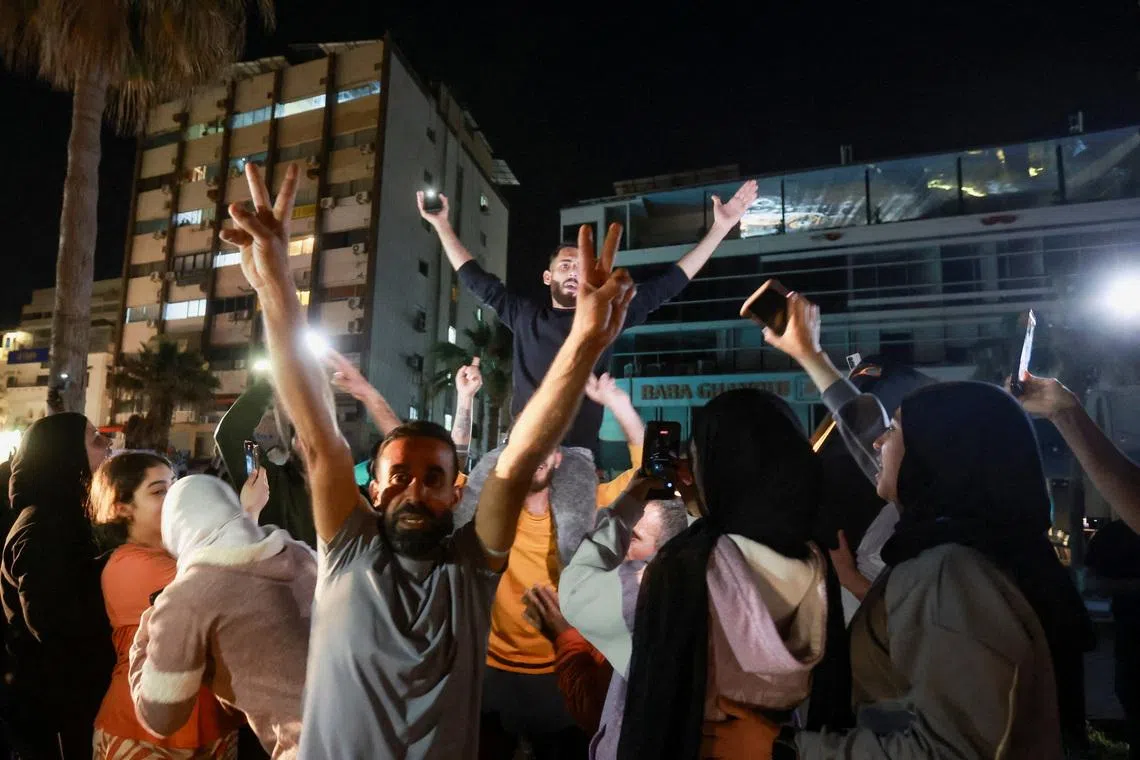
The ceasefire in Lebanon went into effect on Thursday and Trump said he had spoken to Israeli Prime Minister Benjamin Netanyahu and Lebanese counterpart Joseph Aoun and planned to invite them to the White House for “meaningful talks” that could happen over the next week or two. Iran has insisted that any peace deal should also cover the fighting in Lebanon. The ceasefire was part of an understanding reached with the US and mediated by Pakistan, Iranian media reported, citing a foreign ministry spokesperson. “May have been a historic day for Lebanon. Good things are happening!!!” Trump said on social media late on Thursday. In an earlier post, he urged Hizbollah to respect the ceasefire. “I hope Hizbollah acts nicely and well during this important period of time. It will be an GREAT moment for them if they do. No more killing. Must finally have PEACE!” he said. Conflict between Israel and the Iran-backed Hizbollah in Lebanon was reignited by the US-Israeli war with Iran. Hizbollah opened fire in support of Teheran on Mar 2, prompting an Israeli offensive in Lebanon that authorities say has killed 2,000 people, 15 months after their last major conflict. Celebratory gunfire rang out across parts of Beirut as the clock struck midnight on Thursday to mark the start of the truce and witnesses heard explosions from rockets fired in celebration, prompting a safety warning and threat of arrests from the Lebanese Army.
But the pause in hostilities remained fragile, with the army early on Friday reporting that Israel had already violated the ceasefire with intermittent shelling of several southern Lebanese villages. There was no immediate comment from the Israeli military, which had said earlier that its forces remained deployed in the area, in what a spokesperson said was in response to continued Hizbollah militant activity. Hizbollah released a lengthy statement on its military operations against Israel throughout Thursday, which listed its last attack as being 10 minutes before the ceasefire took effect. The truce was “essential, urgently needed and a demand shared by all,” senior Hizbollah official Bilal Lakkiss told NBC News ahead of the start of the ceasefire, but said the group would not comply with Israel’s demand that it disarm “except within a framework tied to a broader national security vision”.
Nuclear ambitions a sticking point
Teheran’s nuclear ambitions were a sticking point at talks in Islamabad last weekend, where the US proposed a 20-year suspension of all nuclear activity by Iran. Teheran suggested a halt of three to five years, according to people familiar with the proposals. Trump on Thursday said Iran had offered not to possess nuclear weapons for more than 20 years. Iran has demanded that international sanctions be lifted and Washington has pressed for any highly enriched uranium to be removed from Iran. Two Iranian sources said there were signs of a compromise on the highly enriched uranium stockpile, with Teheran considering shipping part of it out of the country. REUTERS
Decoding Asia newsletter: your guide to navigating Asia in a new global order. Sign up here to get Decoding Asia newsletter. Delivered to your inbox. Free.
Share with us your feedback on BT's products and services
TRENDING NOW

LTA proposes combining car COE categories, adding rebate-surcharge system

StarHub to acquire MyRepublic’s mobile business amid ongoing telco consolidation

DBS, OCBC, UOB rout lops billions off STI as inflation, rate concerns spook investors

Grab CEO’s wife Chloe Tong on life with Anthony Tan and finding her purpose

