



Japan union chief says China rare earth curbs hitting wage talks
Manufacturers are facing the impact of geopolitical factors weighing on their bottom line and on future earnings
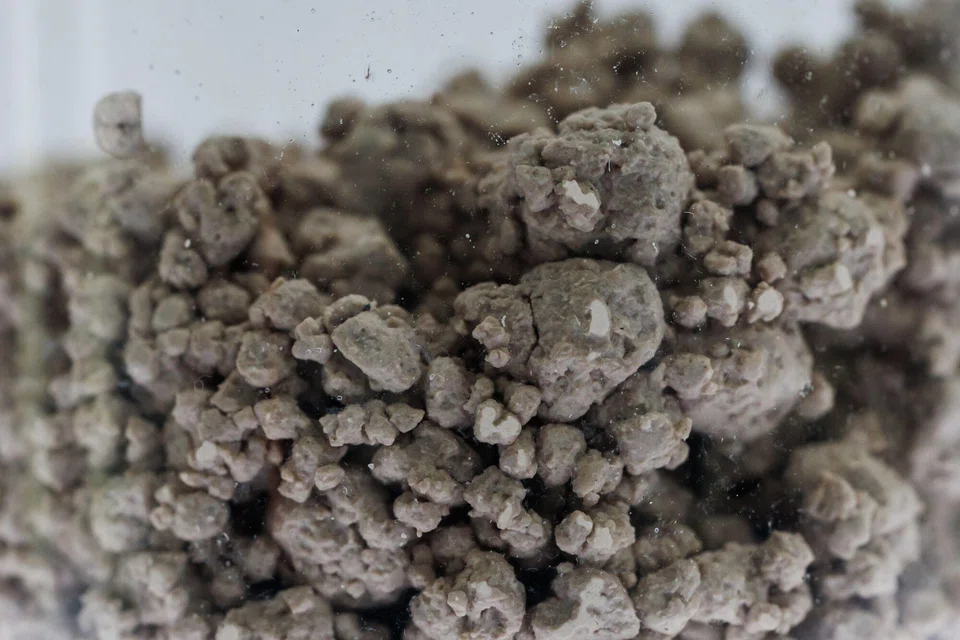
[TOKYO] The head of a Japanese manufacturers’ labour union group said that China’s recent curbs on rare earth exports are squeezing corporate profits, posing fresh challenges for smaller firms as wage negotiations continue.
“It has become difficult to secure rare earths from China, even those not officially subject to restrictions,” Katahiro Yasukochi, chair of the Japanese Association of Metal, Machinery and Manufacturing Workers, told reporters on Wednesday (Mar 18).
“The procurement costs have doubled or tripled domestically and companies have been unable to pass those costs on to customers,” he said, suggesting mounting pressure on smaller firms’ margins.
Japan’s manufacturers are facing the impact of geopolitical factors weighing on their bottom line and on future earnings as they try to determine how much scope they have to increase wages. One of those geopolitical challenges is China’s tightening grip on rare earth exports. Those are critical materials for Japanese producers of electric vehicles, mobile phones and defence equipment, companies that have workers in the union association.
China put export controls on a suite of rare earths in April 2025 as it fought back against US President Donald Trump’s trade war. After Japanese Prime Minister Sanae Takaichi’s comments later in the year on the potential for Japan to be drawn into a conflict over Taiwan, Beijing’s backlash included a warning that supplies of the materials to Japan could face particular scrutiny.
Yasukochi said in separate remarks to Bloomberg News that the procurement difficulties companies are facing have largely emerged since Takaichi’s comments on Taiwan.

Despite the headwinds, the union said it achieved wage gains broadly in line with last year’s increases in the latest round of negotiations. JAM’s latest tally showed on Wednesday that employers were offering its members monthly wage increases of 5.70 per cent on a weighted average, compared with 5.77 per cent a year earlier.
Looking ahead, smaller firms are likely to face more geopolitical risks, including developments in the Middle East. Already the ripple effects of the US-Israeli conflict with Iran are reaching Japan, with petrol prices surging to a record high this week, creating concern for many importers in the country.
Smaller companies typically finalise their wage agreements in April or later, after negotiations at larger firms conclude in March. BLOOMBERG
Decoding Asia newsletter: your guide to navigating Asia in a new global order. Sign up here to get Decoding Asia newsletter. Delivered to your inbox. Free.
Share with us your feedback on BT's products and services
TRENDING NOW

S$8 billion wiped off OCBC value as shares slide 5.8% in heavy trade

Grab CEO’s wife Chloe Tong on life with Anthony Tan and finding her purpose

Brookfield denies accusation it cut Soilbuild out of Mapletree deal
8 public officers referred to police over property buys near unannounced MRT stations: Chan Chun Sing

