From mala to milk tea, China’s F&B giants take South-east Asia by storm
As home-base competition heats up, these players are rapidly expanding into the region, operating over 6,000 outlets as at end-2024: report
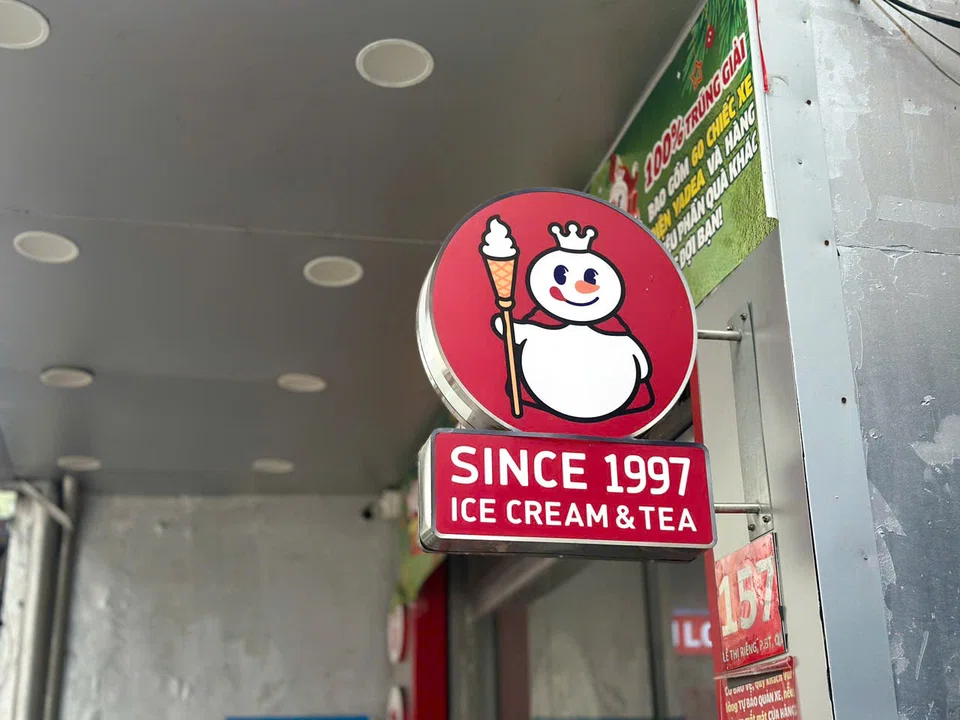
[HO CHI MINH CITY] China’s food and beverage (F&B) brands, from bubble tea chain Mixue and hotpot giant Haidilao to Luckin Coffee and Chagee, are charging into South-east Asia, capitalising on the region’s proximity, less saturated market and growing consumer demand, even as they contend with fierce competition at home.
A report released on Thursday (Jan 9) by Momentum Works said: “Cut-throat competition has prompted many Chinese F&B brands to develop competitiveness in all parts of the F&B operations, and to look beyond the domestic market for growth opportunities, with South-east Asia being a particularly hot destination for many of them.”
By the end of 2024, over 60 brands had established a presence in the region, operating more than 6,100 outlets – a testament to the region’s growing appeal, said the Singapore-headquartered research firm’s report.
This rapid expansion began with just 200 stores in 2021, surging to about 1,800 in 2022, and 5,000 in 2023, the report added.
In the first half of 2024, over a million restaurants shuttered in China, more than 70 per cent more than in the same period the previous year.
“Chinese-style cuisines have cultural and historical links in South-east Asia,” Momentum Works pointed out, adding that new Chinese tastes or cuisine types such as mala and hotpot are becoming increasingly popular among young consumers in the region.
The biggest concentration of Chinese F&B brands was in Singapore and Malaysia, while Indonesia and Vietnam together hosted about two-thirds of the total store count.
The expansion was mainly driven by mass market-focused beverage chains such as Mixue, Chagee and Luckin Coffee.
The ice cream and bubble tea chain Mixue, for example, ran about 40,000 stores in China, and another 4,800 in 11 other markets as at Sep 30, 2024. These include Indonesia, Vietnam, Malaysia and Thailand, said its prospectus for its Hong Kong stock listing.



China-based hotpot chain Haidilao, which follows a more elaborate restaurant concept targeting consumers in big cities, had 121 outlets in 13 countries, including 73 locations in South-east Asia, according to the financial statement of its operator Super Hi International, for the first nine months of last year.
Out-of-home F&B consumption, which includes food and drinks sold by stalls, restaurants and other retail outlets in six major South-east Asian markets, amounted to US$127 billion in 2023 and was expected to come in at US$132.9 billion last year, the research firm estimated.
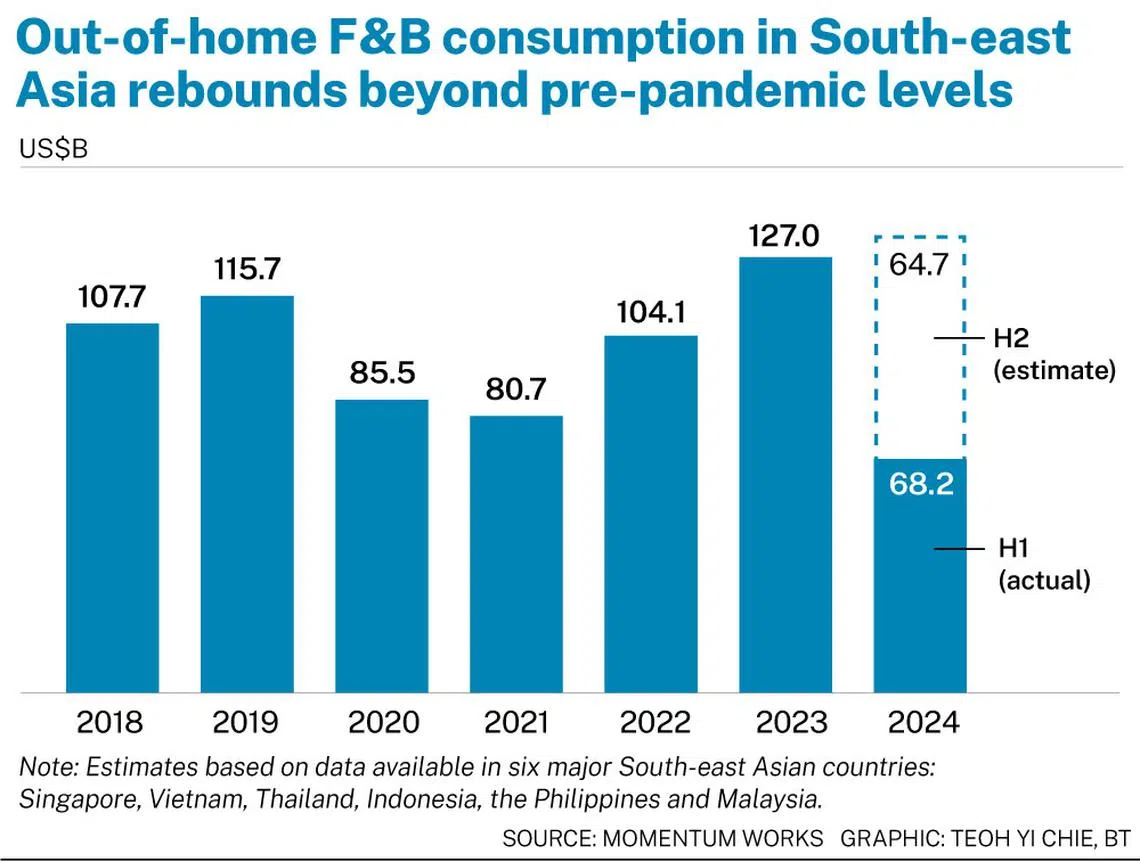
Though these numbers exceeded the pre-pandemic levels, it was only equivalent to about 17 per cent of the market in China.
“This influx of knowledge and practices (from Chinese brands’ operations) is poised to strengthen South-east Asia’s F&B ecosystem, creating lasting benefits for businesses and consumers alike,” said Li Jianggan, founder and chief executive of Momentum Works.
F&B markets in the region are still varied in maturity and stages of development. For example, more than two-thirds of food service value in the Philippines was generated by chain establishments in 2023. In Vietnam, it is just 6.7 per cent.
“This reality means that, to operate effectively across South-east Asia, different localisation strategies need to be adopted,” the firm noted.
Decoding Asia newsletter: your guide to navigating Asia in a new global order. Sign up here to get Decoding Asia newsletter. Delivered to your inbox. Free.
Copyright SPH Media. All rights reserved.