



Malaysia tops scorecard for 'best placed to reopen': report
 Add BT as a preferred source
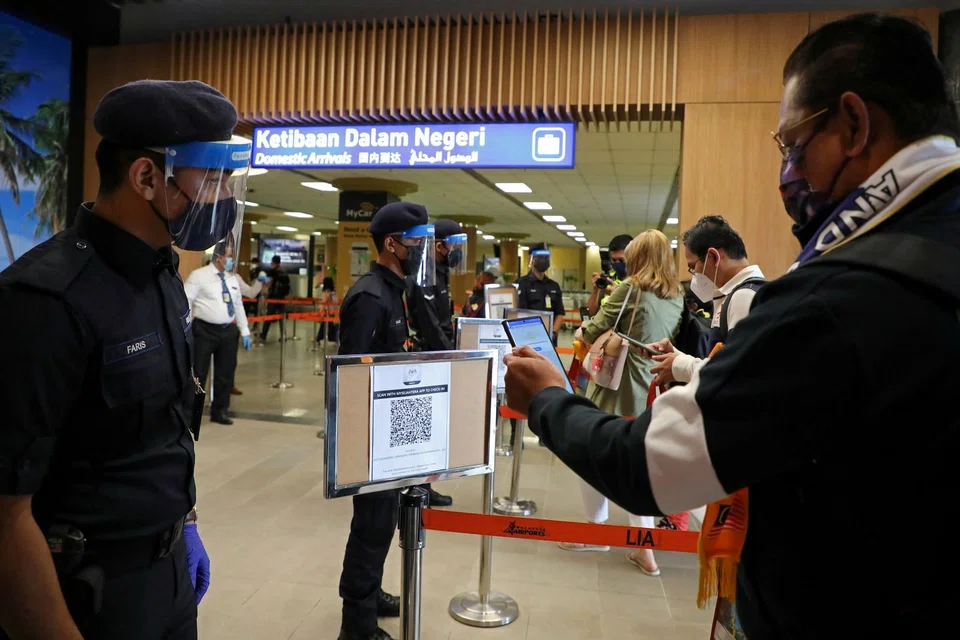
MALAYSIA, Australia and New Zealand are best placed to reopen, given their progress on Covid-19 vaccinations, falling or low case numbers, and relatively large tourism sectors, said Sian Fenner, Oxford Economics' lead Asia economist in a report on Wednesday (Nov 17).
South Korea and Singapore round off the top 5 in the scorecard, which assesses how quickly economies are likely to reopen based on vaccination rates, Covid prevalence, and economic necessity. The tighter the restrictions today, the greater the scope for faster relaxation.
That being said, the scorecard does not take into account policymakers' tolerance towards Covid-19.
Singapore and New Zealand both scored well, but the Republic's latest re-tightening and extension of domestic mobility restrictions suggest that the transition to living with Covid-19 will be slow, said Fenner, qualifying that border controls have been significantly relaxed.
New Zealand, on the other hand, may have abandoned its elimination strategy, but it also has set a high vaccination target of 90 per cent of the eligible population before restrictions are eased, most likely in December.
In terms of the potential pace of reopening, most of emerging Asia scored low, as only 27 to 36 per cent of the populations of Vietnam, Indonesia, India and the Philippines are fully vaccinated.
Navigate Asia in
a new global order
Get the insights delivered to your inbox.
That being said, the mounting economic costs of curbs and high dependency on tourism, particularly for Thailand and the Philippines, give these economies strong incentive to reopen. Thailand and the Philippines were ranked 8th and 10th respectively on the scorecard.
Meanwhile, China scores in the middle of the pack despite its high vaccination rates and low case numbers, noted Fenner, adding that the strength and size of its domestic economy means there is less pressure to reopen.
"Indeed, we expect China to stick to its zero-Covid policy until H2 2022 at least. This has implications for the revival of regional tourism, as the slow recovery in Chinese tourists means we don't expect international visitors to return to pre-pandemic levels until 2025."
This will hit tourism-dependent Thailand particularly hard, noted Fenner, stating that even by 2023, Chinese tourist numbers will still likely be less than 80 per cent of the 2019 figure.
"This is one of the reasons why we expect Thailand to experience significant economic scarring from the pandemic."
Decoding Asia newsletter: your guide to navigating Asia in a new global order. Sign up here to get Decoding Asia newsletter. Delivered to your inbox. Free.
Copyright SPH Media. All rights reserved.
TRENDING NOW

DBS CEO Tan Su Shan strikes upbeat tone on deposits, wealth growth after strong Q1

How China’s young workers are securing their future even as AI disrupts job market, triggers pay cuts

Middle East-linked energy supply shocks put Asean Power Grid back in focus

Malaysia’s 8th richest man Jeffrey Cheah wants Sunway business to last 10 generations

