



OECD finalises agreement to exempt US-based multinationals from 15% global minimum tax
This comes amid rising tensions over digital taxes
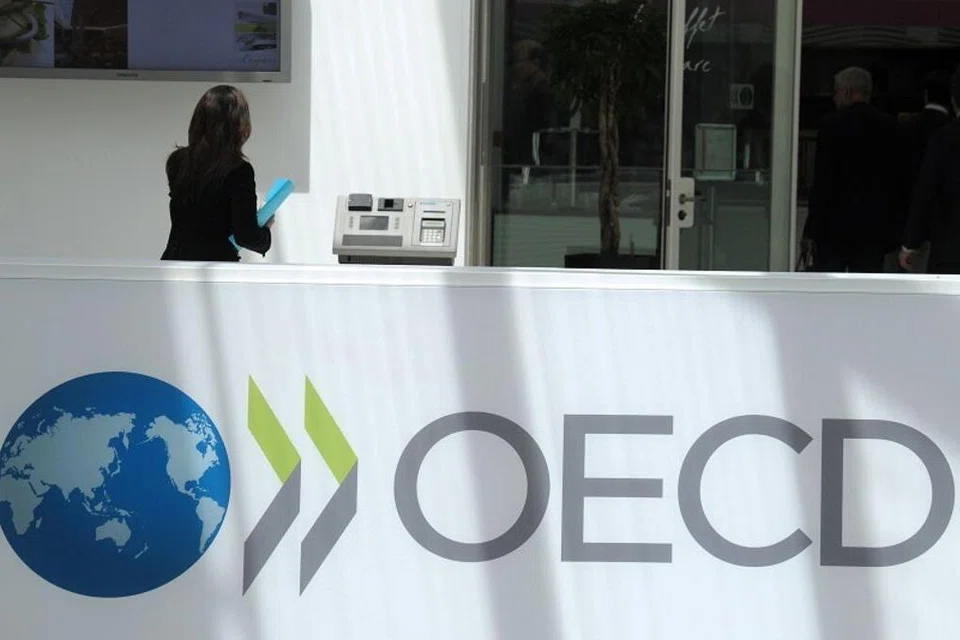
[WASHINGTON] The US and more than 100 other countries finalised an agreement that would exempt American companies from some foreign taxes, the culmination of a months-long effort to create a carve-out from a corporate global minimum levy.
The deal excludes US-based multinational corporations from the 15 per cent global minimum tax negotiated through the Organisation for Economic Co-operation & Development (OECD).
US President Donald Trump last year pulled the US out of a framework to implement that levy, which had been negotiated during his predecessor Joe Biden’s administration.
Under the agreement, other countries would be effectively blocked from imposing additional taxes on foreign subsidiaries of US multinationals to compensate for profits that are under-taxed in other jurisdictions.
US Treasury Secretary Scott Bessent secured an agreement from Group of Seven allies in June to exempt American companies in exchange for persuading congressional Republicans to remove a “revenge tax” provision that had been included in a draft of Trump’s One Big, Beautiful Bill that passed Congress in 2025.
US officials made the case that American companies already face a minimum tax regime, both through a 15 per cent federal corporate minimum tax imposed on companies with at least US$1 billion in profits and the US international tax regime, which imposes levies ranging from 12.6 to 14 per cent on a corporation’s foreign profits.
The agreement on the global minimum tax comes amid rising tensions over digital taxes – levies that the European Union and other nations have used to target technology companies.
The US government complains that US companies, including Alphabet’s Google, Meta Platforms and Amazon, are being unfairly targeted.
Minimum tax rules
The global minimum tax was created to prevent multinational companies from dodging tax bills by locating operations and booking income in low-tax countries.
SEE ALSO





The proposal negotiated through the OECD would impose a 15 per cent effective rate on multinationals with at least 750 million euros (S$1.1 billion) in revenue.
About 60 countries have enacted local versions of the framework, including the vast majority of EU members, the UK, Australia, Canada, Japan and South Korea.
The OECD has estimated the tax programme would generate US$220 billion in revenue to governments worldwide.
The framework aims for companies to pay at least 15 per cent in every country where they operate. The plan also has enforcement rules that allow other countries to collect tax from a company if its local jurisdiction is not charging at least a 15 per cent rate.
The agreement to exempt US companies effectively sidelines threats by congressional Republicans to revive the revenge tax plan, which would have allowed the US Treasury to increase levies on companies from jurisdictions deemed to have imposed “discriminatory” taxes on American entities.
That plan was deeply unpopular on Wall Street, and critics warned it would have a chilling effect on foreign investment in the US. BLOOMBERG
Decoding Asia newsletter: your guide to navigating Asia in a new global order. Sign up here to get Decoding Asia newsletter. Delivered to your inbox. Free.
Share with us your feedback on BT's products and services
TRENDING NOW

Philippine power giant First Gen rebuffs foreign offers, plans up to US$2.6 billion in expansion

Cliff Tan has 7 million followers and a 4-month waitlist. Why won’t he expand his business?

Could stablecoins be the future of money?

From finance aspirant to Asean CEO: TUV SUD’s Jonas Strahberger on finding people who believe in you

