


Oil rises after biggest drop since 2020 as Hormuz stays blocked; Iran says ceasefire violated
Even once the strait transit picks up, the return of energy supplies will not be instant
 Add BT as a preferred source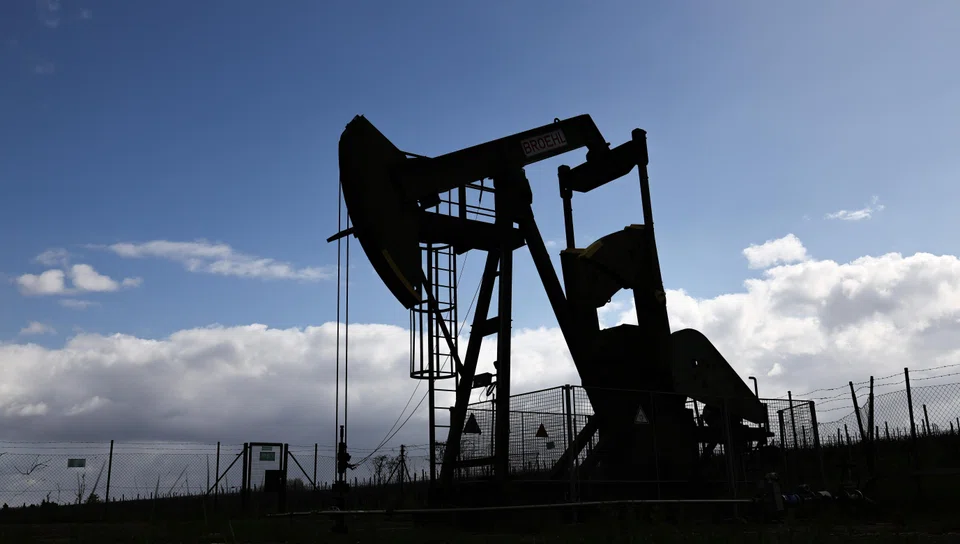
[SINGAPORE] Oil rebounded after its biggest one-day drop since April 2020, as the Strait of Hormuz remained largely blocked and Israeli attacks on Lebanon threatened to derail the fragile ceasefire in the Middle East.
West Texas Intermediate (WTI) traded around US$97 a barrel, after slumping 14 per cent on Wednesday (Apr 8), while Brent closed below US$95. Iran’s semi-official Fars news agency reported that passage of oil tankers through the strait were halted after Israeli strikes, although US Vice-President JD Vance countered that assertion, saying “we are seeing signs that the straits are starting to reopen”.
The near-halt of traffic through the waterway, through which about a fifth of the world’s crude and liquefied natural gas flowed before the US and Israel first struck Iran at the end of February, has caused the biggest-ever oil market disruption.
Vance will lead a US delegation to Islamabad for direct talks with Iran on Saturday morning local time.
“This is not over just yet,” said Dennis Kissler, senior vice-president for trading at BOK Financial Securities. “We will need to see a full opening of the strait with no obstacles before we see crude prices in the low US$80s for WTI. And I do not see that in the next two weeks.”
Sporadic fighting continued throughout the region, including the Israeli moves in Lebanon and Iranian strikes on Gulf states. There’s disagreement between Teheran and the American-Israeli side over whether the ceasefire covers Lebanon.

Iranian Parliament Speaker Mohammad-Bagher Ghalibaf said that three clauses of the ceasefire proposal have been violated so far.
Even once Hormuz transit picks up, the return of energy supplies will not be instant. Output has been reduced at oil and gas fields, while refineries have curtailed production or shut down. Some of those will take weeks – or possibly longer – to return to normal.
“We are still far from over in Iran,” said Carl Larry, an oil and gas analyst at Enverus. “Every day remains an adventure, but US$90 looks like a solid floor until we see fiction become fact.” BLOOMBERG
Decoding Asia newsletter: your guide to navigating Asia in a new global order. Sign up here to get Decoding Asia newsletter. Delivered to your inbox. Free.
Share with us your feedback on BT's products and services
TRENDING NOW
DBS completes US$1 billion significant risk transfer deal, in first for Singapore bank

Malaysian tycoon Vincent Tan’s sell-downs point to pruning rather than an exit plan
Singapore private housing is ‘decoupling’ from HDB market as buyer pools diverge: NUS survey
Not in education, employment or training: Why more Hong Kong youths are opting out of work

