



Oil soars above US$100 as Iran war forces more production cuts
More than a dozen countries have been sucked into the fray and the conflict has stoked fears of an inflation crisis
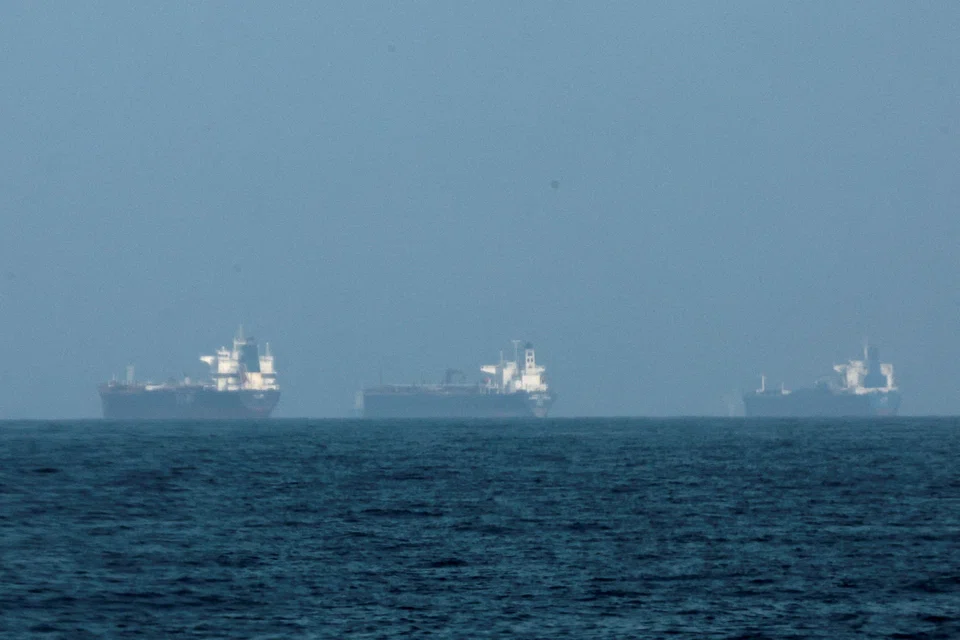
OIL smashed through US$100 a barrel as more major Middle East producers curbed production, the Strait of Hormuz remained all but closed and the US threatened to deepen a conflict that has upended energy markets.
Brent spiked as much as 24 per cent to US$114.99 a barrel, while West Texas Intermediate jumped 27 per cent, the biggest intraday move since April 2020. Kuwait and the United Arab Emirates have started reducing output as storage rapidly fills up due to the closure of Hormuz. Iraq began shutting in production last week.
The war in the Middle East is showing no signs of abating after US and Israeli strikes on Iran more than a week ago. The halt to shipping through Hormuz, a narrow waterway that normally handles a fifth of the world’s oil, and attacks on energy infrastructure have driven up prices of crude and natural gas.
US President Donald Trump weighed in on the oil spike with a late night post on his social media platform Truth Social, saying that short-term movements are a “very small price to pay” for the US, the world, and peace. He added prices will fall rapidly “when the destruction of the Iran nuclear threat is over”.
More than a dozen countries have been sucked into the fray and the conflict has stoked fears of an inflation crisis. US retail petrol prices have jumped to the highest level since August 2024, posing a significant challenge to Trump and his party at the midterm elections later this year.
Still, Trump is pushing ahead with the war, and in a social media post early Saturday (Mar 7), said that the US will consider striking areas and groups of people in Iran that were not previously considered targets. The remarks came after Iranian President Masoud Pezeshkian vowed not to back down.
Iran named the son of the late Ayatollah Ali Khamenei as its new supreme leader, the semi-official Fars news agency said on Sunday, with the Islamic Revolutionary Guard Corps pledging obedience to the new leader. Meanwhile, the US State Department ordered the departure of US employees in Saudi Arabia, The New York Times report, citing anonymous officials.
“The psychological level of US$100 oil may just be a short-term price target on its way to higher levels as the conflict drags on,” said Andy Lipow, the president of Lipow Oil Associates. “Oil production is throttled back as oil storage fills up because tankers are unable to load”.
Middle East oil production shut-ins could expand to over four million barrels a day by the end of next week as storage fills and bottlenecks persist, JPMorgan Chase analysts, including Natasha Kaneva, wrote in a note dated Mar 8. The region accounts for roughly one-third of global output.

More major energy infrastructure was threatened over the weekend, with Saudi Arabia intercepting and destroying drones heading to the one million barrel a day Shaybah oil field. Last week, the kingdom was forced to halt operations at the Ras Tanura refinery, the country’s biggest, and is seeking to divert barrels to its Red Sea ports for export after the Hormuz closure.
Rising energy prices, including for products such as gasoil, are rippling through the market. China’s government has told the country’s top refiners to suspend exports of diesel and petrol, and South Korea is reviewing whether to introduce an oil price cap for the first time in 30 years.
In a sign of near-term tightness, Brent’s prompt spread, the difference between its two nearest contracts, widened to over US$8.98 a barrel in backwardation, a bullish pattern. The gap was 62 US cents a month ago.
“Right now, the biggest fear is still disruption to flows through Hormuz,” said Haris Khurshid, chief investment officer at Karobaar Capital in Chicago. “Production shut ins matter but the market really worries about barrels not being able to move.” BLOOMBERG
Decoding Asia newsletter: your guide to navigating Asia in a new global order. Sign up here to get Decoding Asia newsletter. Delivered to your inbox. Free.
Share with us your feedback on BT's products and services
TRENDING NOW

Once staunchly pro-China, Malaysian Chinese businesses are now distancing themselves from Beijing

Looking beyond looming CEO succession, should UOB potentially pursue a transformative merger?

Could stablecoins be the future of money?

Grab CEO’s wife Chloe Tong on life with Anthony Tan and finding her purpose

