



Opec+ plans symbolic oil quota hike amid war, delegates say
Key members have an agreement in principle to increase production targets by about 206,000 barrels per day
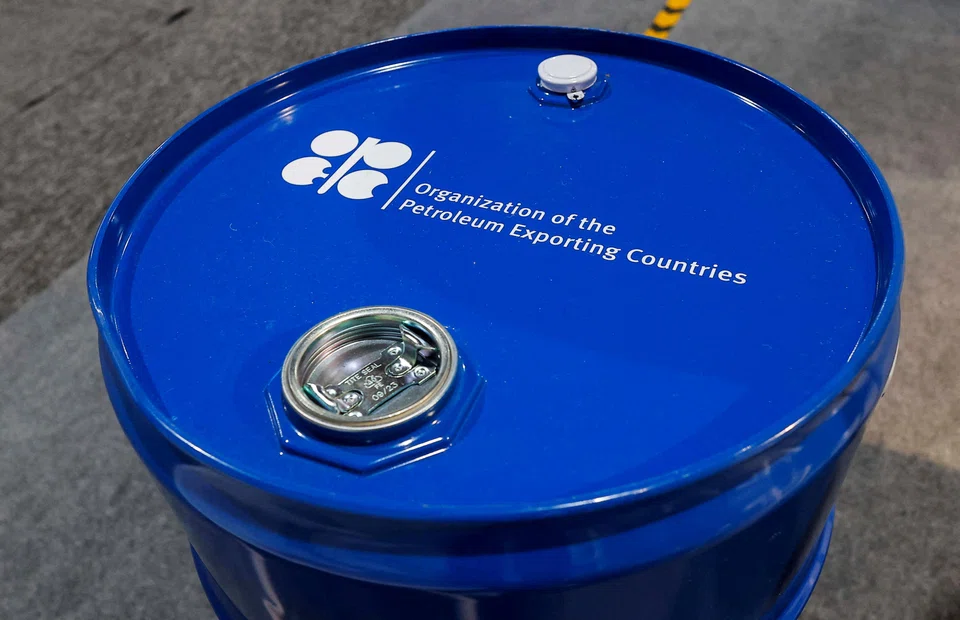
[LONDON] Opec+ members plan to raise their production quotas for May, in a symbolic move as the Middle East conflict constrains production and shipments from several of the alliance’s largest members.
Key members of the group led by Saudi Arabia and Russia have an agreement in principle to increase production targets by about 206,000 barrels per day ahead of a video conference later on Sunday (Apr 5), according to two delegates who asked not to be identified discussing private deliberations.
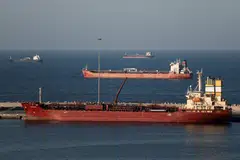
With the oil flows from the Persian Gulf throttled by the Iran war and top producers like Saudi Arabia, the United Arab Emirates, Iraq and Kuwait forced to curtail supplies, such a move by the group would be theoretical. Still, it could symbolise their intention to revive output as soon as the conflict eases.
Oil prices have been roiled by five weeks of conflict between a US-Israeli alliance and Iran, climbing to almost US$120 a barrel last month, and soaring costs for products like jet fuel and diesel are threatening a renewed wave of inflation. Brent futures settled near US$109 on Friday after US President Donald Trump vowed an escalation in the war.
Before the US-Israeli strike on Iran threw the region into chaos, the Organization of the Petroleum Exporting Countries and its partners had been gradually restoring supply halted back in 2023.
The group held its production steady for the first three months of this year, and agreed to a small increase of 206,000 barrels per day at its previous meeting on Mar 1, a day after the initial US and Israeli strikes on Iran.
SEE ALSO



'%3e%3cpath%20d='M12.1475%2025.5262C13.7713%2025.4295%2014.94%2023.913%2014.94%2021.8832C14.94%2019.5359%2013.474%2018.093%2011.5917%2018.093C11.3745%2018.093%2010.9582%2018.093%2010.8393%2018.1413V25.2086L11.8891%2025.5745C11.8891%2025.5745%2012.207%2025.5262%2012.1475%2025.5262ZM11.4934%2017.6281C13.2567%2017.6281%2014.3843%2016.4292%2014.3843%2014.4501C14.3843%2012.372%2013.275%2011.2973%2011.4339%2011.2973H10.8393V17.6305H11.4934V17.6281ZM6.66078%2025.6482L7.39265%2025.5492C8.02617%2025.4502%208.26403%2025.3053%208.26403%2025.1097V11.6149C8.26403%2011.4193%208.1451%2011.3709%207.23484%2011.249L6.68137%2011.173L6.6219%2010.7588H11.9508C15.7153%2010.7588%2017.0624%2012.0797%2017.0624%2014.1578C17.0624%2015.9666%2015.7748%2017.1909%2013.4969%2017.6305V17.7041C16.111%2017.948%2017.6571%2019.5382%2017.6571%2021.7636C17.6571%2024.3318%2015.8937%2026.0417%2012.1109%2026.0417H6.60132L6.66078%2025.6482Z'%20fill='%232B2B2B'/%3e%3cpath%20d='M20.6287%2025.6505L21.5596%2025.5515C22.1725%2025.4779%2022.4104%2025.3076%2022.4104%2025.112V11.249H21.9346C20.073%2011.3479%2018.982%2013.0095%2018.408%2014.6227L18.1907%2015.5018H17.6555L18.1701%2010.7588H29.3837L29.6421%2015.4787H29.1664L28.9491%2014.6227C28.3728%2012.8645%2027.3047%2011.2743%2025.5002%2011.249H24.9856V25.1856C24.9856%2025.3812%2025.1251%2025.4548%2025.9965%2025.5515L26.7695%2025.6505L26.829%2026.0417H20.5693L20.6287%2025.6505Z'%20fill='%232B2B2B'/%3e%3c/g%3e%3cdefs%3e%3cclipPath%20id='clip0_5242_21648'%3e%3crect%20width='24'%20height='16.8'%20fill='white'%20transform='translate(6%2010)'/%3e%3c/clipPath%3e%3c/defs%3e%3c/svg%3e)
While Gulf producers are being affected by the Middle East conflict, Russia has also faced disruptions to oil infrastructure and exports as a result of Ukrainian attacks. BLOOMBERG
Decoding Asia newsletter: your guide to navigating Asia in a new global order. Sign up here to get Decoding Asia newsletter. Delivered to your inbox. Free.
Share with us your feedback on BT's products and services
TRENDING NOW

Once staunchly pro-China, Malaysian Chinese businesses are now distancing themselves from Beijing

Grab CEO’s wife Chloe Tong on life with Anthony Tan and finding her purpose

Could stablecoins be the future of money?
ST Engineering opens tech-focused aircraft maintenance facility in Changi; to create over 500 jobs

