



Over 40 Middle East energy assets ‘severely damaged,’ IEA says
Asia is at the forefront of this crisis, because of its heavy reliance on crude from the region
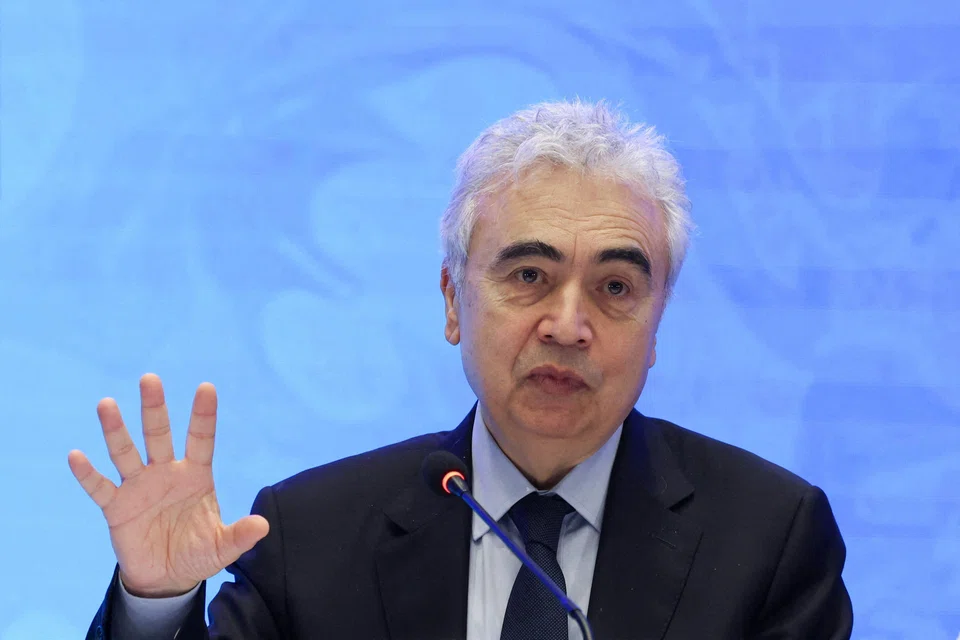
[CANBERRA] More than 40 energy assets across nine countries in the Middle East have been “severely or very severely” damaged by the war in the Middle East, International Energy Agency (IEA) executive director Fatih Birol said, potentially prolonging disruptions to global supply chains after the conflict ends.
The damage means it will take some time for the oil fields, refineries and pipelines to come back online, Birol said on Monday (Mar 23) at Australia’s National Press Club in the capital, Canberra.
More than three weeks of conflict in the Middle East have upended the entire energy supply chain, all but closing the vital Strait of Hormuz and leading to surging crude, natural gas and fuel prices. The effect of the current disruptions is equivalent to the two major oil crises in the 1970s and the 2022 natural gas crisis after Russia invaded Ukraine “all put together,” Birol said.
“Not only oil and gas, but some of the vital arteries of the global economy – such as petrochemicals, such as fertilisers, such as sulphur, such as helium – their trade is all interrupted, which will have serious consequences for the global economy,” he said.
Asia is at the forefront of this crisis, because of its heavy reliance on crude from the region, Birol said. Asked about China’s decision to curb fuel exports, he said the whole world needed to face the energy crisis together.
“Every country first looks at its own domestic interest, but in such a situation, to have serious export restrictions without justification, might not be something which gets plus points from the international community,” he said.
SEE ALSO
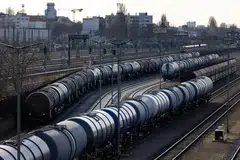
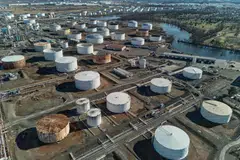

The IEA announced in early March that it would release a record 400 million barrels from its emergency oil reserves to help ease supply shocks and contain price spikes caused by the war in the Middle East. Last week, the Paris-based organisation proposed measures to help energy importers trim demand.
Further oil reserves can be released as necessary if the Iran war further disrupts global energy markets over the coming days and weeks, Birol said. However, with shipping across the Strait of Hormuz at a near-halt, the only true solution to fuel supply disruptions is the reopening of the major trade route, he said. BLOOMBERG
Decoding Asia newsletter: your guide to navigating Asia in a new global order. Sign up here to get Decoding Asia newsletter. Delivered to your inbox. Free.
Share with us your feedback on BT's products and services
TRENDING NOW

LTA proposes combining car COE categories, adding rebate-surcharge system

StarHub to acquire MyRepublic’s mobile business amid ongoing telco consolidation

DBS, OCBC, UOB rout lops billions off STI as inflation, rate concerns spook investors

Grab CEO’s wife Chloe Tong on life with Anthony Tan and finding her purpose

