
Paid late, or never – painters, builders and brokers hit by China’s property crisis
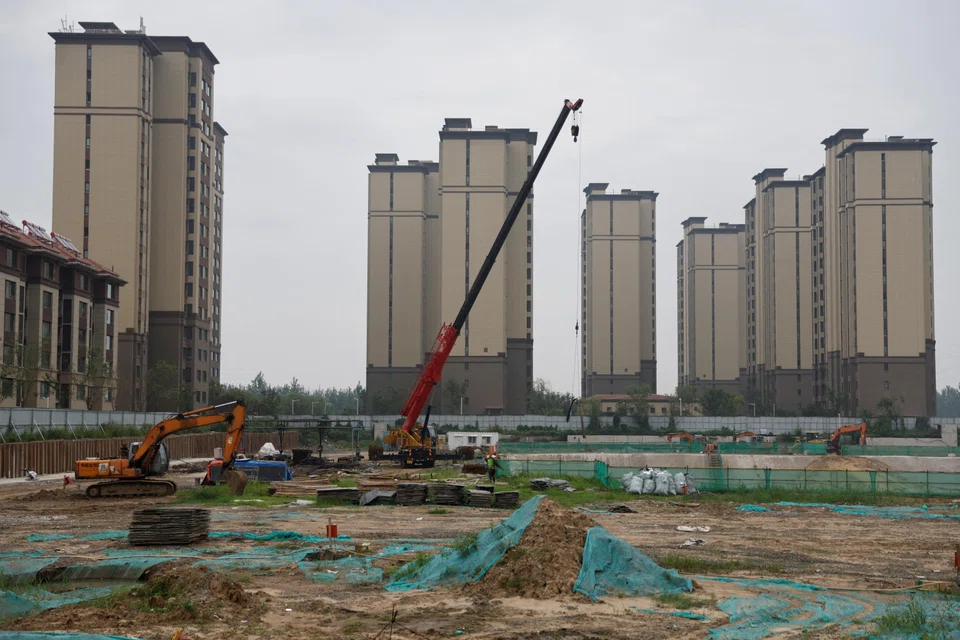
ONCE a beneficiary of China’s property boom, Lan Mingqiang is an unwitting casualty of its unravelling.
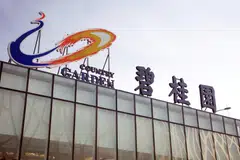
The financial troubles at one real estate company, Country Garden, have left him unable to pay the school fees for his son, who is starting seventh grade. Country Garden owes US$21,000 to his company, which makes fences and billboards on construction sites. Now, with Country Garden days away from a default, this money is more out of reach than ever.
“Nowadays, real estate is hard,” Lan said. He recently gave up on the business and left his family in the southern city of Chongqing to try to make a living selling snacks to tourists in Zhengzhou, a city in the north of China.
Lan is just one in a long line of people waiting to get paid by Chinese property developers. Once the country’s biggest creator of jobs, the housing market also enriched local governments and created a store of household wealth. But a move by regulators to deflate a property bubble and China’s slowing economy have accelerated a crisis that is spreading to all corners of life.
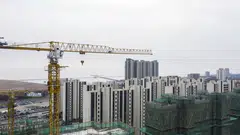
Small businesses and workers who thrived on the decades-long property boom are no longer getting paid. Low on the payback priority list for developers but an important part of the housing ecosystem, the group includes painters, cement makers and builders, as well as real estate agents and companies that furnished sales offices.
As a group, suppliers are waiting on at least US$390 billion in payments, according to the research firm Gavekal Research. And that’s a conservative estimate; the number is probably larger.
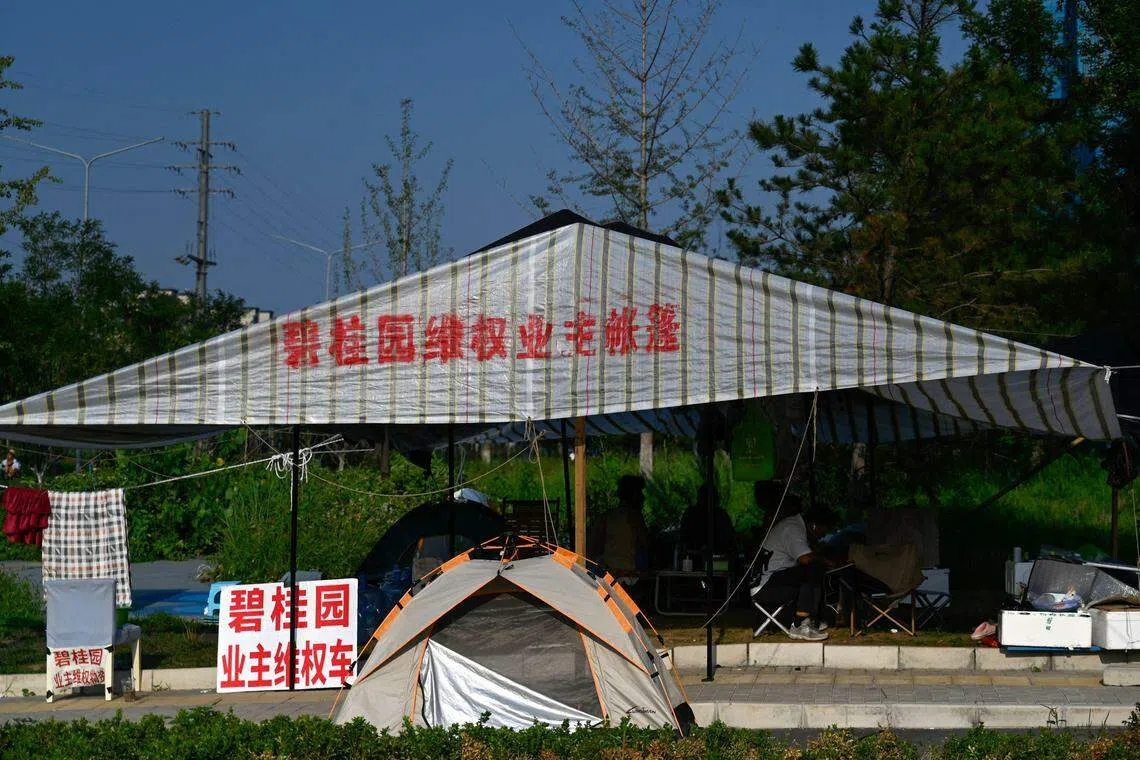
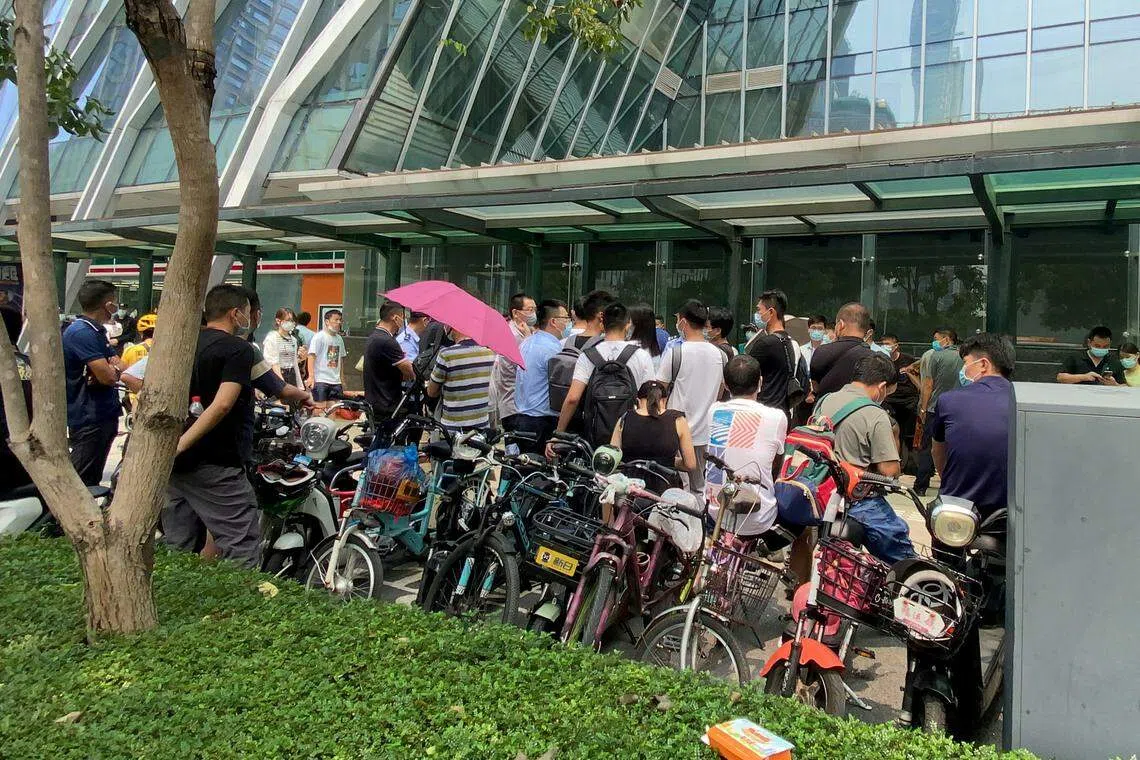
People want their money and are taking action. Lawsuits and complaints to local authorities are piling up. Construction workers are posting protest banners at empty construction sites that have been chained and locked. “It’s shameful to delay wages,” says one sign. “Country Garden, pay back my hard-earned money,” reads another.
Liu Yaonan, a real estate agent in Guangdong province, doesn’t have much confidence that Country Garden will ever pay. He has received only three-quarters of his usual commission for the past year and said that he is still owed nearly US$8,000. He added that he has called Country Garden’s complaint hotline over and over, but the person who answers takes no action other than noting his grievance.
“It is unfair for real estate agencies, because once a developer goes through a debt crisis, the system first protects the buyers,” Liu noted. “Other material dealers, agents and engineers basically cannot get paid.”
SEE ALSO
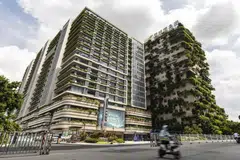
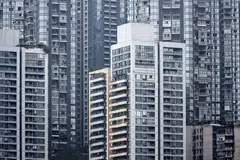
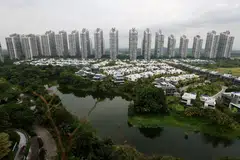
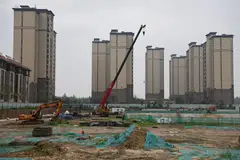

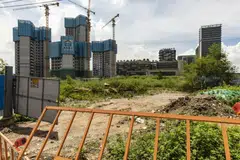
The flurry of activity is adding to the strain on China’s economy when confidence is already low. Years of lockdowns and other Covid prevention measures have weighed on consumers, who are spending less. Companies have pulled back on hiring. Fewer people are buying homes.
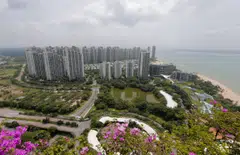
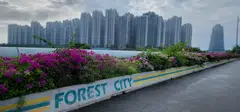
More than any other company, the sudden reversal of fortunes at Country Garden illustrates the severity of this economic strain. Just a year ago, it was China’s biggest real estate firm by sales, and one of the few private companies that suppliers and lenders could depend on to pay the bills.
But a drop in sales over the past six months has pushed it to the edge, and in August, it threw up its hands.
Country Garden skipped two small interest payments on bonds. If it fails to make those payments by early September, when a grace period ends, it will join a long list of private companies that have defaulted. It also disclosed that it may have lost as much as US$7.6 billion over the first six months of the year.
Country Garden’s swing from success to near-failure is deepening fears that an abrupt end is in sight for China’s developers, many of which have been under stress for several years as regulators have tried to restrict their bank financing.
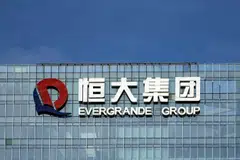
At first, some developers were able to keep going, even as they failed to make good on their obligations. They found other ways to compensate suppliers. China Evergrande, the behemoth that defaulted on hundreds of billions of dollars of debt in 2021, repaid some of its suppliers with unfinished apartments instead of cash, on the theory the suppliers could sell them to reclaim the money they were owed.
These days, even bartering is no longer an option.
“Such apartments have run out; we can’t get them,” said Han Tao, a manager at a landscaping company that is owed US$1.4 million from property developers. For Han, apartments wouldn’t have been that useful anyway; no one is buying them right now.
After years of building a thriving business providing cherry trees and acacias for big property projects, he and his colleagues are setting more modest goals. One change: they will accept a job only if cash is paid upfront.
“We keep our business small,” he added.
On China’s social media platform Weibo, construction workers complain about missed pay cheques. Some post pictures of court documents from lawsuits. Others show records of the complaints they have lodged with local authorities. Many express a sense of despair and frustration.
Liao Hongmei spent years in a legal battle to try to get US$690,000 from China Evergrande. She even won. But Evergrande still hasn’t paid her and, in her view, businesses the size of hers will probably never get the money they are owed.
“We small suppliers don’t have a say,” said Liao, who built a successful company a decade ago providing marketing and decoration services to Evergrande for its sales offices in the province of Jiangsu.
Flashy sales offices have long played a key role in bringing in cash that property developers needed to keep growing. Most companies sold apartments before a project was finished, with customers paying upfront.
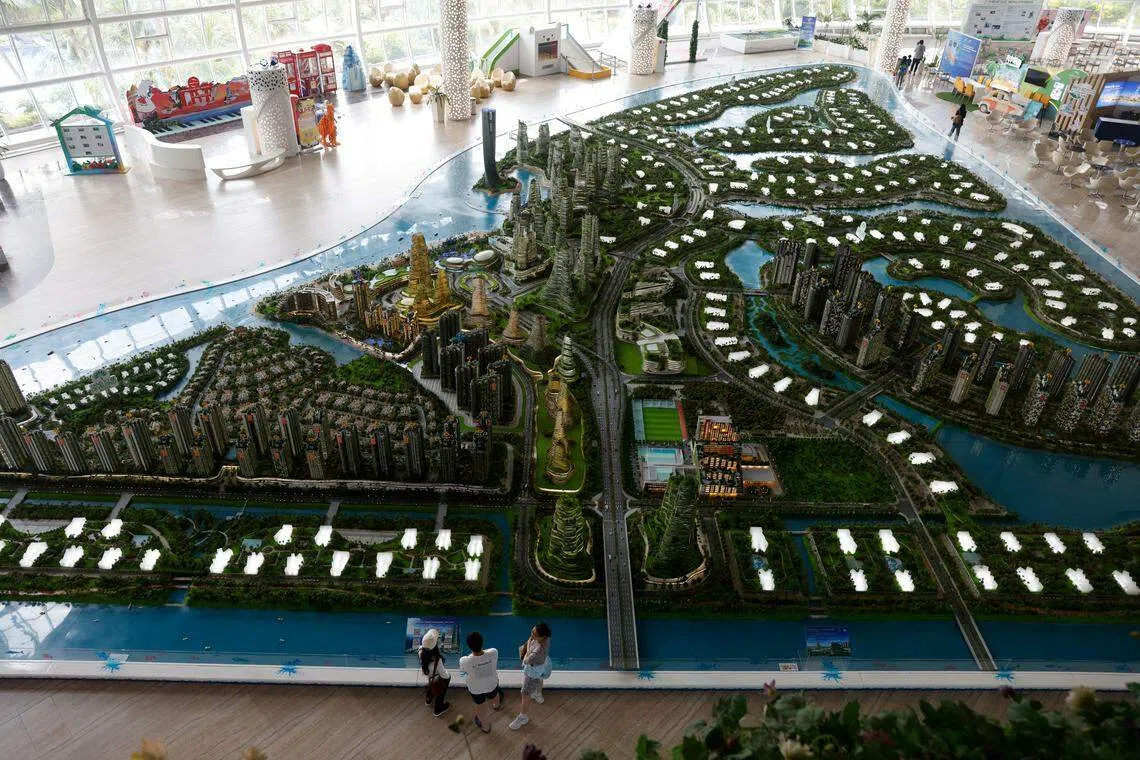
Inside the sales offices, agents dressed in suits typically pitch potential buyers on the bells and whistles. A miniature model of the residential complex gives a sense of what the complex will look like when it is built. A tour of a model apartment, often decorated lavishly, sells them on a lifestyle.
According to Liao, sometime around 2016, Evergrande began to issue IOUs – known in dry financial parlance as commercial acceptance bills – for payment within six months. Then, in 2017, it started to give one-year IOUs. The time it took Liao to get paid got longer and longer. But the money still came in, she said, until the company defaulted on its debt in 2021.
Now Liao’s business is on the brink of bankruptcy. She sued Evergrande and won but has no way to get her money because the government is supervising the restructuring of the company, and its first priority has been to make sure Evergrande finishes the apartments it sold. Last year, it said that it had finished 300,000 and still has 720,000 more to complete, according to its 2022 results.
On Aug 17, Evergrande filed for bankruptcy protection and has signalled it is close to a deal with some of its biggest creditors. Trading in its shares resumed in Hong Kong on Monday, after a 17-month suspension. The stock plunged 79 per cent.
But for small business owners like Liao, who is at the very back of the long line of banks, creditors and companies seeking money, there isn’t much hope. Many of her peers who have filed similar lawsuits have given up, she noted. Liao said that she hoped that once Evergrande finishes the apartments it owes homebuyers, there would still be something left for people like herself.
“A little money,” Liao said, is her only request. “But it doesn’t seem like that is going to happen.” NYTIMES
Decoding Asia newsletter: your guide to navigating Asia in a new global order. Sign up here to get Decoding Asia newsletter. Delivered to your inbox. Free.
Share with us your feedback on BT's products and services