Proper regulation will bring legitimacy to crypto market: Animoca chairman
For an open metaverse to function, cryptocurrencies must first be viable, says entrepreneur and angel investor Yat Siu
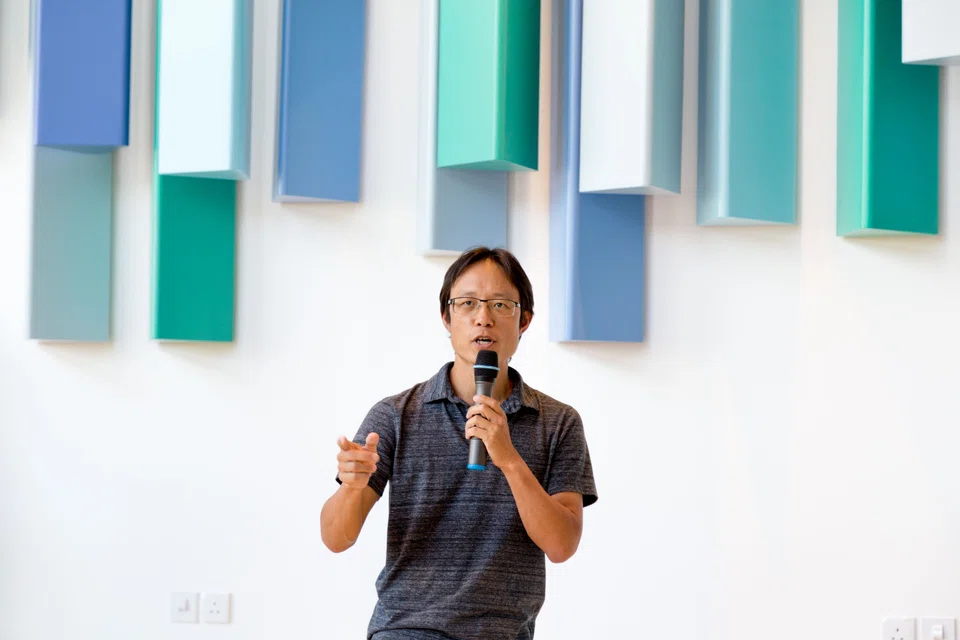
[HONG KONG] The global crypto market may have collapsed, but it still has a trillion-dollar market capitalisation that holds much potential for investors.
Making this point was Yat Siu, the founder and executive chairman of Hong Kong-based blockchain gaming develper Animoca Brands, who noted that cryptocurrencies have experienced a rebound of late since hitting rock bottom at the end of 2022.
“If you look at the trading volume, it’s in the billions and billions,” the 50-year-old entrepreneur and angel investor told The Business Times in a recent Zoom interview from his Hong Kong office. “If you’re not in the industry, it feels like this shouldn’t work. But if you’re in the industry, it works incredibly well.”
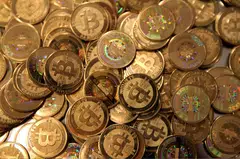
Despite the many scandals and continued turmoil in the sector, one reason for his optimism is the recent performance of the world’s two largest cryptocurrencies – Bitcon and Etherium.
The former has witnessed a spike of late to go past the US$28,000 mark, way above the US$16,538 on the last day of 2022. Some analysts have gone so far as to predict that Bitcoin could soar to US$70,000 or even US$100,000 by the end of this year. Ethereum, meanwhile, has soared by about 50 per cent since the start of this year to hover around US$1,750, although it is well below the US$4,400 at the end of 2021.
Yat also pointed out that the global non-fungible token (NFT) market – across all blockchain platforms and marketplaces – is doing well.

According to data from DappRadar, sales volume surged to US$2.04 billion in February, an increase of 117 per cent from US$941 million in January. For some context, NFTs generated around US$24.7 billion in sales for the whole of 2022.
As far as Animoca Brands is concerned, Yat is pressing on with his plans to create an “open” metaverse. Last November, the company announced it was working on a new metaverse fund called the Animoca Capital fund with a target of between US$1 billion and US$2 billion.
In July 2022, Animoca Brands had a valuation of US$5.9 billion after a US$110 million financing round led by Singapore’s Temasek Holdings, Boyu Capital and GGV Capital.


Animoca, which was listed in Sydney until 2020, currently trades its shares on PrimaryMarkets, a private secondary share trading platform.
A Reuters article last week reported that data from this platform showed that Animoca’s market cap is roughly under A$1.9 billion (S$1.68 billion). A spokesperson for Animoca later said that this platform was not a reliable indicator of the company’s value.
With over a dozen majority-owned subsidiaries, Animoca could feel like a conglomerate if it operated in a traditional industry. Its biggest and best-known subsidiary is Sandbox, a popular gaming platform.
But Yat said that the parent company, Animoca Brands, goes far beyond gaming. One example is education. Yat explained that, similar to publishers, teachers these days are selling their learning content as digital assets in NFTs, facilitating the online transfer of intellectual property rights.
“Some of the teachers whom we sold these NFTs are making more money than (what they earn at their schools each year),” he noted. This year, Yat aims to expand the size of investment portfolio of 380 companies by about 30 per cent – all related to crypto and blockchain – having added more than 100 such companies last year.
One of his most famous investments is Yuga Labs, the parent company of the most successful NFT project of all time, the Bored Ape Yacht Club, which allows users entry into a privileged, celebrity-filled social club by buying digital, collectible cartoon apes.
The Animoca Capital Fund looks to raise at least US$1 billion to focus on late-stage investment in companies in Asia and the Middle East. These two regions, said Yat, are where the development of Web3, blockchain and crypto is “much more progressed and friendlier”.
Yat runs his company the “metaverse way”. Most of his 1,000 employees are based outside Hong Kong. They are in far-flung locations such as Argentina, Brazil and Paraguay – all early adopters of blockchain and crypto – as well as France, a country with plenty of gaming talent.
For an open metaverse to function, however, cryptocurrencies have to be viable. Yat said that it is impossible to separate the fate of cryptocurrencies from the metaverse’s building block – blockchain technology. “We think it’s not possible to separate (blockchain technology from virtual currencies). It’s not possible in a decentralised way,” he explained.
He reasoned that virtual currencies such as Bitcoin – with their decentralisation and the blockchain’s authentication power – command greater trust from users than any fiat currency. And fundamentally, “there will be no Web3 without blockchain”, he noted.
As Animoca continues to grow its footprint, Yat said that he was pleased by Hong Kong’s ongoing push to become a global crypto hub. This includes the recent listing of six exchange-traded funds on the Hong Kong Stock Exchange, the issuance of the world’s first tokenised green bond by the Hong Kong Monetary Authority, and the ongoing consultation to re-legalise retail trading in crypto.
“I would say that, in the last three to four months, Hong Kong has exceeded Singapore’s adoption (of crypto). A lot of progress has happened in Hong Kong in less than six months,” he said. “Hong Kong has kind of a ‘second-mover’ advantage because they have learned from the lessons of the other places about what to do and what not to do. Regulation is coming to crypto, which is a good thing. Because when regulation comes, it also will legitimise the industry.”
Decoding Asia newsletter: your guide to navigating Asia in a new global order. Sign up here to get Decoding Asia newsletter. Delivered to your inbox. Free.
Share with us your feedback on BT's products and services