
Reopening Strait of Hormuz would ease oil crisis, but only so much
The status of the waterway remains murky
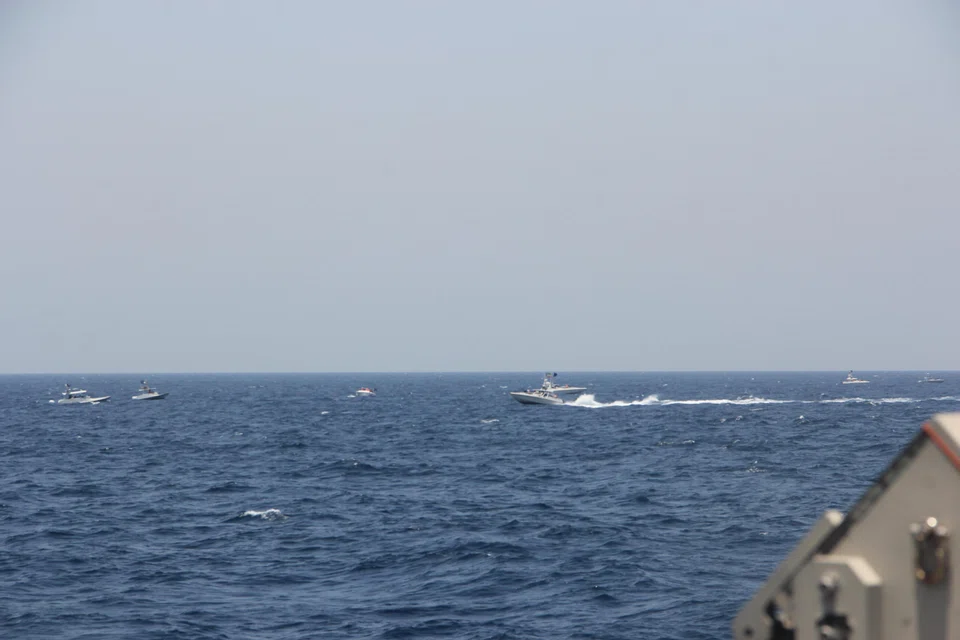
SHIPPING companies are facing confusion and uncertainty about the status of the Strait of Hormuz, the narrow passageway through which a significant share of the world’s energy flows, as they assess mixed messages from officials in Iran and the US.
But even if the strait fully opens soon – on Saturday (Apr 18), Iran’s military said it would reimpose “strict” control over traffic – it will take weeks for substantial amounts of Persian Gulf oil and gas to reach buyers around the world.
And it will be much longer before companies repair the damage that has been inflicted on one of the world’s most important energy-producing regions.
It is likely to be a long time before a gallon of gasoline costs less than US$3 a gallon, as it did before the US and Israel attacked Iran on Feb 28. Shortages of certain products like jet fuel and natural gas may also persist in some countries for weeks or longer.
“We don’t expect oil prices – and therefore pump prices – to go back to prewar levels,” said Arjun Murti, a partner at Veriten, an energy research and investment firm based in Houston, Texas.
Think of the Strait of Hormuz, which sits between Iran and the Arabian Peninsula, as a valve. It must be open for energy to flow. But whether shipping companies reposition tankers and producers turn wells back on will depend heavily on whether they believe that the detente between Iran and the US and Israel is durable.
Spencer Dale, who until recently served as the chief economist of the London-based oil company BP, said that producers who have been forced to turn off their oil and gas wells will be reluctant to restart them “until people have confidence that you have a lasting agreement.”
Traders were hopeful on Friday, when the most commonly cited international price of oil, Brent futures, fell 9 per cent to about US$90 a barrel, the lowest settlement price since the second week of the war.
But for those who needed an actual tanker full of oil, the price on Friday was higher: almost US$99 a barrel, according to Argus Media. That second price, often called the spot price, more closely reflects what companies, such as refiners, pay for commodities – and therefore how much energy will cost the economy as a whole.
“Normally, this distinction between the two markets is something for oil geeks and traders to worry about,” said Dale, now a visiting professor at the London School of Economics and Political Science. “It really matters right now.”
‘Under strict control’
One of the biggest variables for oil prices will be whether shipping companies – and their insurers – believe that the strait is safe.
The status of the waterway remained murky on Saturday after Iran’s military said that the strait would remain “under strict control.” A day earlier, the country’s foreign minister said that the strait was “completely open.”
President Donald Trump framed the foreign minister’s announcement as a breakthrough but, complicating matters, Trump said that the US would maintain its blockade on ships headed to or from Iranian ports. That has effectively prevented Iran from exporting energy in recent days.
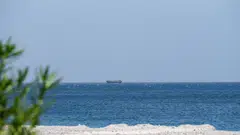
Ships had not returned to the strait in great numbers as of Friday afternoon.
Should shipping from Iran’s neighbours restart, a first order of business will be for the tankers full of energy that have been stuck in the Persian Gulf to leave for countries in Asia and Europe that depend heavily on the region.
Empty vessels would also have an opportunity to pick up fuel from storage tanks, making space for newly extracted oil and natural gas. All of that would give the global economy an infusion of energy that it badly needed.
But the war has inflicted the kind of damage that takes months, if not years, to repair.
Not only have producers turned off an estimated 10 per cent of global oil supply, but more than 80 energy facilities in the region have been damaged, many of them severely, according to the International Energy Agency. Restoring output to prewar levels could take up to two years, Fatih Birol, the agency’s executive director, said this past week. NYTIMES
Decoding Asia newsletter: your guide to navigating Asia in a new global order. Sign up here to get Decoding Asia newsletter. Delivered to your inbox. Free.
Share with us your feedback on BT's products and services