



Rising energy costs lift China’s producer, consumer inflation in August
Core inflation, excluding volatile food and energy prices, was up 1% on year
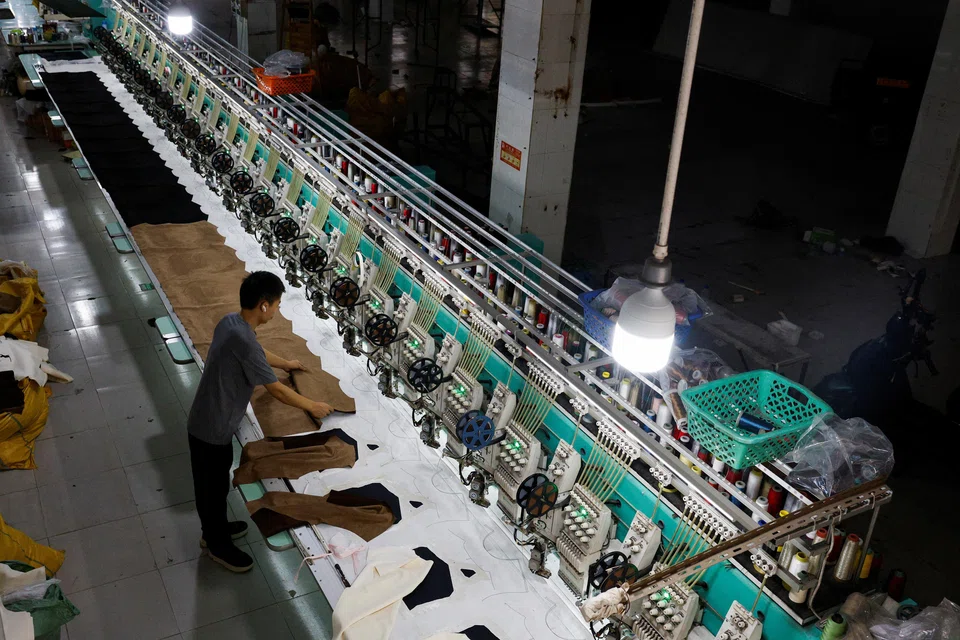
CHINA’S factory-gate inflation gathered pace in August and consumer price growth quickened, driven largely by elevated energy costs tied to supply risks from the Middle East war, even as underlying domestic demand remained subdued.
With an export-led rebound cushioning entrenched domestic weakness, the economy faces lingering headwinds from trade tensions, lacklustre consumer demand and weather-related disruptions, casting a shadow over the recovery’s momentum.
The producer price index rose 3.8 per cent from a year earlier, National Bureau of Statistics data showed, accelerating from 3.5 per cent in July and beating a forecast increase of 3.6 per cent in a Reuters poll.
The consumer price index (CPI) was up 0.8 per cent year-on-year, versus a 0.5 per cent increase in July and matching the poll.
“Higher international crude oil and non-ferrous metal prices have pushed up prices across related industries in China,” said Dong Lijuan, a statistician at NBS.
Faster energy price inflation also contributed about 0.28 percentage points to the annual increase in the CPI, according to Dong.
Additionally, typhoons and heavy rainfall swept across large parts of the country last month, disrupting transport, production and construction activity.
Core inflation, excluding volatile food and energy prices, was up 1 per cent on year, compared with a 0.9 per cent gain in July.
On a monthly basis, CPI increased 0.4 per cent, against forecasts for a 0.3% increase and a 0.1 per cent decline in July.


Oil prices were supported by heightened tensions involving the United States, Israel and Iran, while an AI-driven memory chip shortage pushed up costs in some sectors.
However, persistent weakness in domestic demand kept overall inflation subdued, with piecemeal consumption support yet to spark a broader recovery.
Policymakers have stepped up efforts to bolster confidence, expanding loan-interest subsidies for consumers and small private firms, while the finance ministry last month signalled additional fiscal support if economic conditions warrant.
Seeking to stabilise the property market, a longstanding drag on household spending, Beijing in August moved to curb housing presales and extended the maximum term for personal mortgage loans to 40 years from 30. REUTERS
Reutes
Decoding Asia newsletter: your guide to navigating Asia in a new global order. Sign up here to get Decoding Asia newsletter. Delivered to your inbox. Free.
Share with us your feedback on BT's products and services
TRENDING NOW

Once staunchly pro-China, Malaysian Chinese businesses are now distancing themselves from Beijing

Looking beyond looming CEO succession, should UOB potentially pursue a transformative merger?

Could stablecoins be the future of money?

Grab CEO’s wife Chloe Tong on life with Anthony Tan and finding her purpose

