



Rival ride-hailing apps challenge Didi’s dominance in China
Tech players like Tencent have jumped into the fray, while ride-hailing aggregators face greater scrutiny
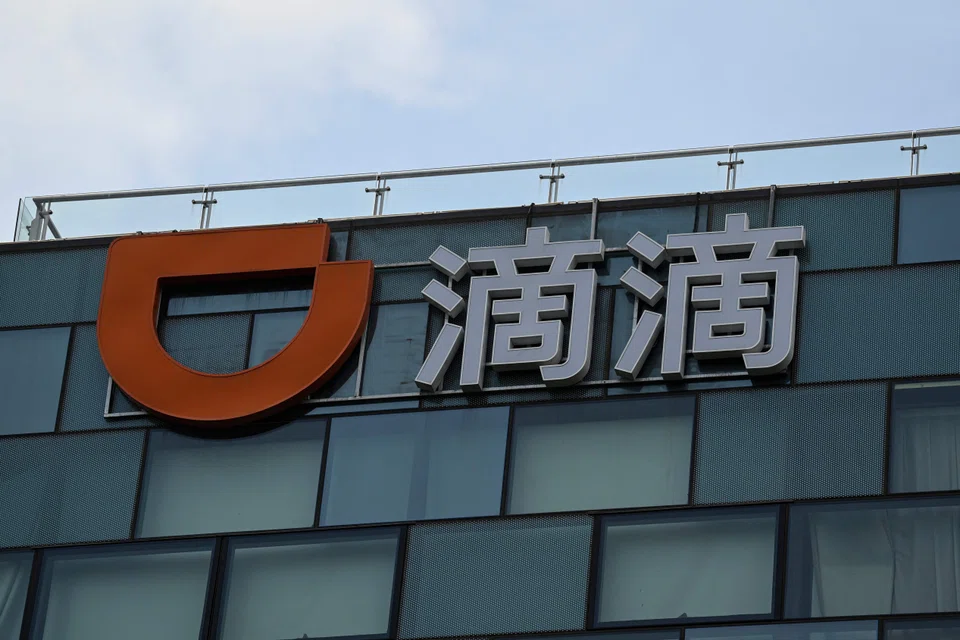
THE current state of China’s US$30 billion ride-hailing market, the world’s largest, is reminiscent of the dotcom craze of the late 1990s, when many tech hopefuls launched startups that were unprofitable but still managed to win enormous valuations based on the number of customers or eyeballs they could pull in.
Despite losing money, many companies are driving headlong into China’s ride-hailing market, worth an estimated 249.9 billion yuan (S$48 billion) in 2020, according to the Internet Society of China. Chinese companies like AutoNavi Holdings, Meituan, Tencent Holdings and Huawei Technologies have been eating into the market share of the dominant Didi Chuxing Technology.
At the end of 2017, Didi was China’s undisputed ride-hailing leader, commanding 90 per cent of China’s market as it took in 7.43 billion orders from 450 million customers, according to the company. Didi is still China’s biggest ride-hailing platform, but its market share has since fallen to 70 per cent from March to August this year, according to a report by Haitong Securities.
TRENDING NOW

Once staunchly pro-China, Malaysian Chinese businesses are now distancing themselves from Beijing

Stocks to watch: HPL, Aims Apac Reit, Zico, Advanced Systems Automation, ComfortDelGro
‘How many will survive?’: Bubble fears arise as China’s humanoid robotics face reality check

Smaller board lots can’t fix a market run by three banks

