In Rwanda, crypto gains ground as investment asset class and for transactions
Chong Xin Wei
THIRD-YEAR agriculture student Max Mucyo, 22, has been funding his daily necessities and university fees with profits earned from cryptocurrency investments.
His first encounter with crypto was two years ago, when he received 100 USD Tether, the equivalent of US$100, for a web design job.
Mucyo, who did not know how to exchange crypto for cash at the time, turned to tutorials on YouTube, which led him down the rabbit hole of crypto investments.
He is among an increasing number of young Rwandans looking to crypto as a means of earning a buck.
While the country’s government has set out regulations to halt adoption of the digital asset, many locals are hopeful that Rwanda’s crypto scene could yet blossom on the back of a digitalising economy.
The Geography of Cryptocurrency Report published by blockchain analysis provider Chainanalysis in 2022 notes that sub-Saharan Africa contains some of the most well-developed cryptocurrency markets in the world.
Transaction numbers are still low, relative to the size of the global crypto market. Some US$100.6 billion worth of transactions were recorded in that region between July 2021 and June 2022, representing 2 per cent of global crypto activity.
But the growth was substantial, up 16 per cent year on year; retail-sized transfers of below US$10,000 made up 6.4 per cent of the transaction volume.
“This reflects the trend of many young people in sub-Saharan Africa turning to cryptocurrency as a way to preserve and build wealth, in spite of low economic opportunity,” the report said.



Many users in the region trade crypto via peer-to-peer exchanges, it said. In terms of global crypto adoption, Rwanda ranked 81st last year.
Jefferson Rumanyika, 29, co-founder of market intelligence platform African Crypto Research, said Rwanda’s crypto scene is nascent and lags behind those of financial hubs Kenya and Nigeria.
Nevertheless, he notes greater interest in Web3 technology. This could support the development of the crypto market, he added. Web3 is a term used for the next evolution of the Internet, which is supposed to tap blockchain technology and rely heavily on cryptocurrencies to incentivise use.
In a letter addressed to managing directors and chief executives of financial-service providers on Jan 31, the National Bank of Rwanda (NBR) said its statistics indicate more than US$3 million in crypto has been traded in Rwanda since January 2020.
Contributing to such transactions is Mucyo, the crypto investor, who trades via Binance’s peer-to-peer marketplace.
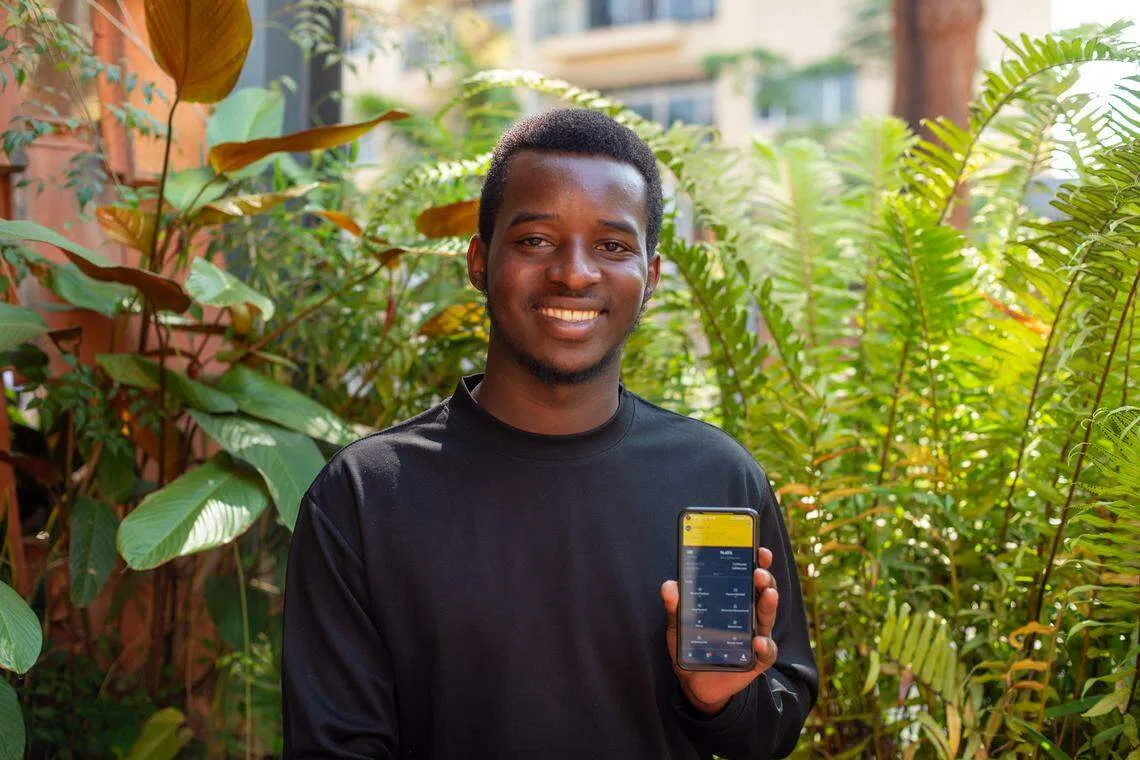
He said he can make up to 1,500 Tether per month, of which 200 Tether is sent to his parents to buy food and household items.
“It is cheaper and faster to transfer crypto coins to my parents than going through traditional means such as a bank transfer,” he said.
Lily Ngarambe, 32, country manager of cryptocurrency exchange Yellow Card, said crypto transfers do not include additional fees.
“Transaction fees for financial services such as Western Union are insane – about 30 per cent of what you are sending,” she said. Crypto transactions, on the other hand, are swift, usually taking only about five to 15 minutes.
Investing in crypto comes with risks, though.
Mechanical engineer Ernesto Habiyaremye, 27, lost over a million Rwandan francs (S$1,131) when he started investing last year.
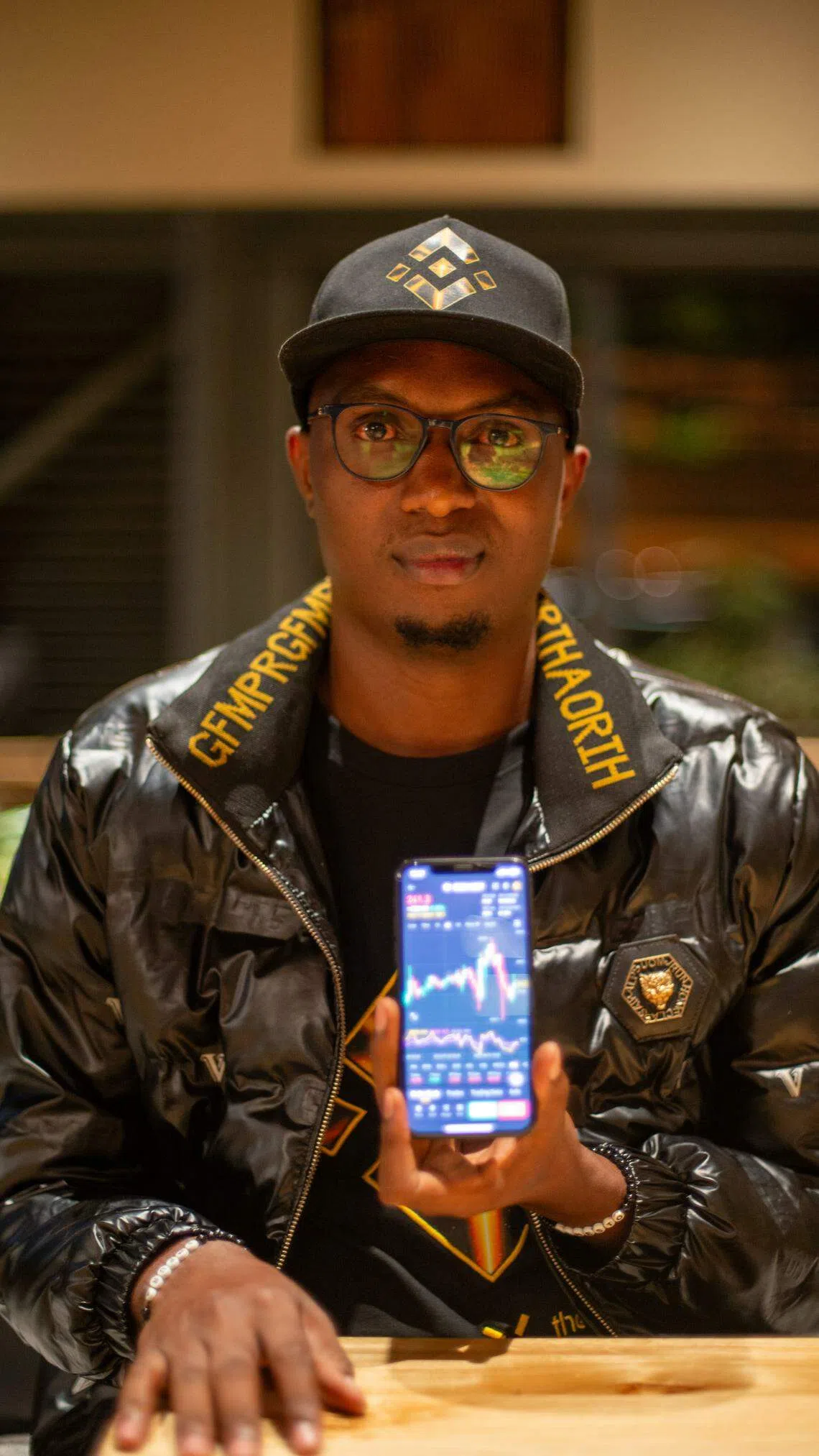
“I thought I was going to be a billionaire in a short amount of time; but within three months, I lost all the money,” he said. “I was devastated.”
Ngarambe of Yellow Card said it is dangerous to assume that crypto trading is a means of getting rich quickly. “Such misconceptions can lead to more scam cases.”
Indeed, scammers have begun using social media to promote crypto trading as a high-return investment.
In January, the former head of Rwanda’s Association of Microfinance Institutions, Aimable Nkuranga, together with partner Eugene Bagire, were detained for alleged illegal crypto trading. They were said to have used their YouTube channel to entice their viewers to invest in crypto.
Subsequently, the NBR prohibited banks from taking part in crypto-related activity until a regulatory framework is in place.
“Most crypto assets are speculative in nature and lack substantial economic value,” said NBR’s deputy governor Soraya Hakuziyaremye on Jan 31.
She added: “The price volatility of crypto assets, including the so-called stablecoins, exposes investors and financial institutions to a very high risk of losing their assets.”
The latest restriction by NBR means crypto users can no longer go to local banks to exchange their digital assets for cash, said a junior associate of a Rwandan law firm, who declined to be named.
NBR has nevertheless been studying the possibilities of issuing a central bank digital currency.
In a commentary published on the United Nations Development Programme (UNDP) Rwanda website, Maurice Rwamigabo, head of exploration and coordinator at the Accelerator Lab of UNDP Rwanda, said: “A digital currency would expand financial inclusion by enabling more of the unbanked population to participate in the formal economy.”
The Rwandan lawyer said the government’s goal of enhancing its fintech sector may mean it will become more accepting of crypto eventually.
“Rwanda envisions itself becoming the financial hub of Africa,” he said. “How can that be possible if we don’t have a clear way of transacting crypto when it is gaining traction globally?”
Chong Xin Wei is a final-year communications student at the Nanyang Technological University’s Wee Kim Wee School of Communication and Information. Her report is the first in a two-part series on digital money in Rwanda, produced as part of the school’s Go-Far overseas reporting programme.
Decoding Asia newsletter: your guide to navigating Asia in a new global order. Sign up here to get Decoding Asia newsletter. Delivered to your inbox. Free.
Copyright SPH Media. All rights reserved.