



Shipowners eye Hormuz ceasefire window for 800 trapped vessels
The near-closure of the vital waterway for weeks has created an unprecedented global energy supply crunch
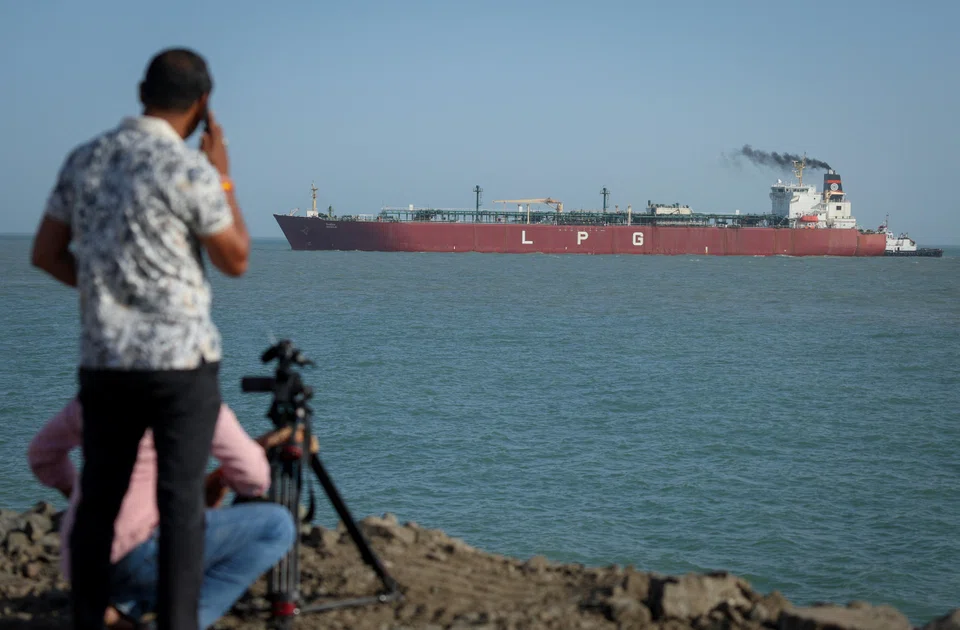
[HONG KONG] Shipowners are scrambling to understand the fine print in a ceasefire that could temporarily open up the Strait of Hormuz, hoping to take advantage of a potential window to extract more than 800 vessels trapped in the Persian Gulf.
The near-closure of the vital waterway for weeks has created an unprecedented global energy supply crunch, as Iran tightened its control in the aftermath of US and Israeli strikes. Unable to guarantee the safety of thousands of seafarers and their cargoes after multiple attacks, vessels have instead been loitering on either side and traffic has slowed to a trickle.
Hours before a deadline set by US President Donald Trump ran out, the two sides on Tuesday (Apr 7) agreed to a ceasefire in exchange for a reopening of the strait. Details remain murky, though: Iran says it has agreed to two weeks of safe passage in coordination with its armed forces and within “technical limitations”, while Trump announced a “complete, immediate, and safe opening”. It is unclear if the two have settled on payments or when the truce takes effect.
For shipowners, however, the news has been enough to prompt cautious optimism. The Japanese Shipowners’ Association, a major industry group, was among those which said that it would check the details of the US-Iran agreement, and then relay information.
Most, however, warned that more clarity would be required for ships to move, and even in the best case, flows would take time to resume in earnest. In peacetime, some 135 ships transit daily, a figure that has shrunk dramatically.
“You don’t switch global shipping flows back on in 24 hours,” said Jennifer Parker, adjunct professor at the University of Western Australia Defence and Security Institute. “Tanker owners, insurers and crews need to believe the risk has actually reduced, not just paused.”
SEE ALSO



Ships that transport energy make up a large part of the fleet that’s stuck inside the gulf, data from Kpler show. There are currently 426 tankers hauling crude oil and clean fuels, plus 34 liquefied petroleum gas carriers and 19 liquefied natural gas (LNG) vessels. The remainder are carrying dry commodities, such as agricultural or metal products, and or containers.
Movement of LNG ships will be particularly closely monitored, as no loaded carrier has made it through the strait since the war began and one recent attempted transit ended in a last-minute U-turn. About 20 per cent of global LNG traffic went through Hormuz last year.
According to an International Maritime Organization tally at the end of March, some 20,000 civilian seafarers are stuck onboard these ships and the other utility and support vessels. Those crew members have been facing dwindling supplies, fatigue and psychological stress, the United Nations agency warned. BLOOMBERG
Decoding Asia newsletter: your guide to navigating Asia in a new global order. Sign up here to get Decoding Asia newsletter. Delivered to your inbox. Free.
Share with us your feedback on BT's products and services
TRENDING NOW

LTA proposes combining car COE categories, adding rebate-surcharge system

StarHub to acquire MyRepublic’s mobile business amid ongoing telco consolidation

DBS, OCBC, UOB rout lops billions off STI as inflation, rate concerns spook investors

Grab CEO’s wife Chloe Tong on life with Anthony Tan and finding her purpose

