


Some 40% of Japanese firms see fundraising impact from BOJ tweak: poll
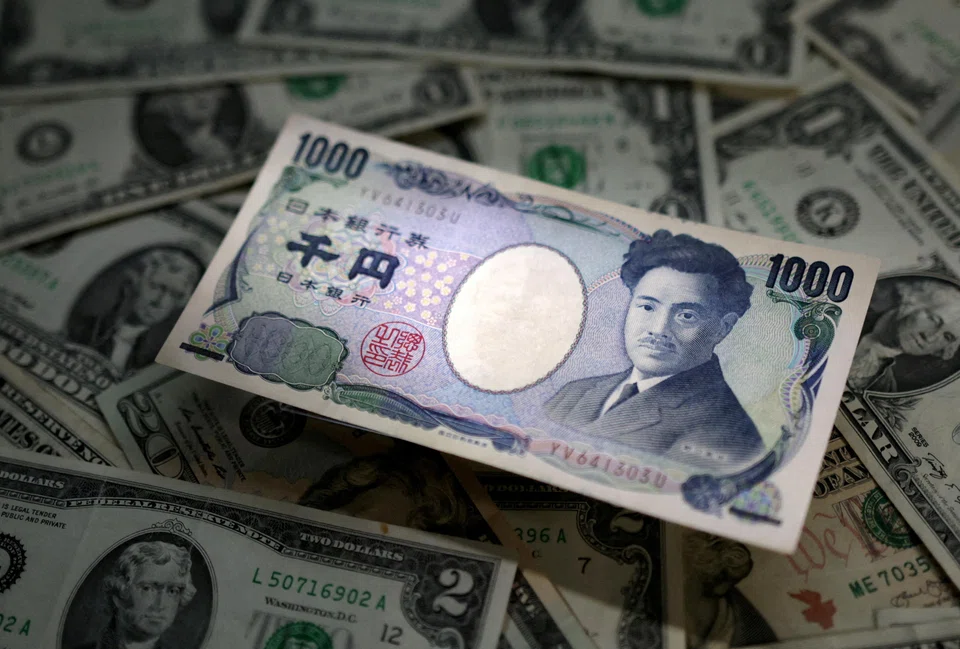
ABOUT 40 per cent of Japanese firms expect the central bank’s recent policy adjustment to have an impact on their fundraising, a Reuters survey showed, highlighting Japan Inc’s sensitivity to any changes in policy after years of massive easing.
Signs the Bank of Japan (BOJ) may be gearing up to exit its ultra-loose monetary regime have raised the spectre of higher borrowing costs in the world’s third-largest economy, marking a potentially vast shift after decades of rock-bottom rates.
Two-thirds of firms said that they would see an impact on their fundraising if long-term interest rates touched 1 per cent, the level the central bank now allows 10-year bond yields to hit.
“It will mean higher interest rates on our debt and lead to a deterioration in our cash flow,” one manager at an electronics firm said about the BOJ’s policy tweak.
The BOJ last month took steps to allow long-term interest rates to move more freely in line with increasing inflation and growth. This came even as the central bank stuck to its yield curve control targets that it uses to guide rates.
“We expect capital investments in new businesses to be impacted,” a manager at a paper and pulp company wrote.
The monthly Reuters Corporate Survey of 503 large and medium-sized non-financial Japanese firms, in which 256 responded, showed that 7 per cent of firms expect an impact this financial year that ends in March.
Another 34 per cent see an impact on fundraising from the next financial year.
The survey was conducted for Reuters by Nikkei Research from Aug 1 to Aug 10, after the central bank’s policy meeting in late July.



Firms responded on condition of anonymity, allowing them to speak more freely.
One manager at a company in the services sector said higher rates would put pressure on smaller rivals.
“There will be a limited impact on our fundraising,” the manager said.
“But we expect it to be more difficult for small and medium-sized companies in our industry to recover the capital they’ve invested, higher interest rates will weed them out, which works in our favour.”
The survey also showed that despite fears of an economic slowdown in China, it remains a vital market for Japanese firms.
Some 82 per cent of respondents said they expected China to remain at least as important to their business in future as it is now.
“We’re seeing fewer orders for production equipment as the slump in China has meant lower demand for capital expenditure,” said a manager at a machinery manufacturer.
The downturn has particularly hit companies in the automotive supply chain. “Japanese cars are not selling in China,” said a manager at a textile manufacturing company.
The fall in demand has coincided with greater pressure on costs for Japanese firms.
One chemicals company was forced out of China altogether, saying it could no longer compete on price with firms there for dual-use goods – those that can be used for both civilian and military applications.
To stay competitive in the Chinese market, about half of respondents said they planned to strengthen price negotiations with suppliers.
Decoding Asia newsletter: your guide to navigating Asia in a new global order. Sign up here to get Decoding Asia newsletter. Delivered to your inbox. Free.
Share with us your feedback on BT's products and services
TRENDING NOW

LTA proposes combining car COE categories, adding rebate-surcharge system

StarHub to acquire MyRepublic’s mobile business amid ongoing telco consolidation

DBS, OCBC, UOB rout lops billions off STI as inflation, rate concerns spook investors

Grab CEO’s wife Chloe Tong on life with Anthony Tan and finding her purpose

