


South Korea’s factory activity sees fastest growth in 26 months on rising demand
 Add BT as a preferred source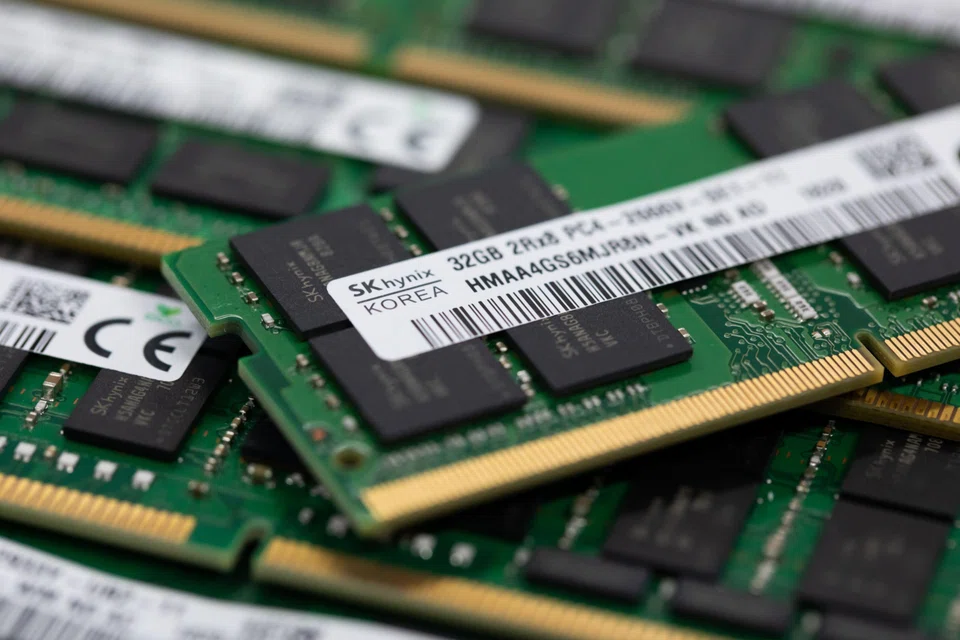
DeeperDive is a beta AI feature. Refer to full articles for the facts.
SOUTH Korea’s factory activity growth quickened in June to the fastest in 26 months, as new orders jumped on improving global demand, a private-sector survey showed on Monday.
The purchasing managers index (PMI) for manufacturers in Asia’s fourth-largest economy, compiled by S&P Global, rose to 52.0 in June, from 51.6 in May, on a seasonally adjusted basis.
It was the highest reading since April 2022, staying above the 50-mark, which separates expansion from contraction, for a second consecutive month.
“Another strong month of data provides further evidence that global industrial activity and trade are picking up,” said Joe Hayes, principal economist at S&P Global Market Intelligence.
“Viewed as a bellwether for exports due to its integration in supply chains for key intermediate goods like batteries and semiconductors, South Korean manufacturing output and orders often provide leading signals for trends more broadly.”
New orders expanded at the quickest rate since February 2022 on stronger demand both at home and abroad, with those from overseas increasing the most in five months, sub-indexes showed.
Navigate Asia in
a new global order
Get the insights delivered to your inbox.
Asian countries including China, Vietnam and Japan, as well as other regions such as North America and Europe were cited in the survey as markets that yielded sales growth.
South Korea’s exports, which have been growing since October led by demand for computer chips and from the United States, are recovering towards record-high levels, the finance minister said last week.
Output rose for a third straight month in June but at a slower rate than the month before. Stocks of finished goods were depleted by the most in nearly three years and backlogs of work rose by the most in almost two years, suggesting that factory capacity was somewhat stretched amid growing demand.



Meanwhile, inflation in input prices accelerated to the fastest in eight months, with companies attributing the rise to unfavourable exchange rate movements and a rise in raw material prices, namely for metals.
Manufacturers’ optimism for the year ahead dropped to the weakest in six months, as concerns grew that domestic market conditions could hinder factory output despite positive sales forecasts. REUTERS
Decoding Asia newsletter: your guide to navigating Asia in a new global order. Sign up here to get Decoding Asia newsletter. Delivered to your inbox. Free.
Share with us your feedback on BT's products and services
TRENDING NOW
‘Boring’ is the new black: The stars are aligning for a Singapore stock market revival
Near sell-out launches in March boost developer sales to 1,300 units after four slow months

China pips the US if Asean is forced to choose, but analysts warn against reading it like a sports result

Genting Singapore’s Lim Kok Thay receives S$7.5 million pay package for FY2025

