

Chinese milk tea brands are offering a playbook for South-east Asia’s next consumer wave
Like a Pop Mart character, milk tea is a small luxury
FOR years now, many have wondered whether Luckin Coffee would topple Starbucks as the world’s coffee chain of choice. Luckin has surpassed Starbucks in both revenue and store count in China and has even expanded to New York, even if there have been bumps in the road.
But while debate rages over Starbucks’ survival in China and Luckin’s odds of success in global markets, both companies are fighting over territory that’s shifting beneath them.
Enter stage right: milk tea.
In a project that took me to 32 Chinese cities over the span of 60 days, few things were as ubiquitous as the presence and popularity of milk tea. Between 2017 and 2022, the number of milk tea stores in China doubled to 500,000, according to data from the China Chain Store and Franchise Association.
In China, where Starbucks and Luckin bookend a street block, milk tea brands make up the 10 stores sandwiched in between. Each one is busy from opening to closing, with employees rushed off their feet serving patrons and delivery workers.
This story is familiar in Seattle, Washington, the birthplace of Starbucks, where I recently saw the longest lines outside Heytea, a Chinese milk tea brand. The company has increased its overseas presence six-fold over the past year.
The Starbucks vs Luckin argument focuses on price, positioning, and product quality. But neither brand is delivering an experience that addresses a growing consumer demand: emotional consumption.
The way Chinese milk tea brands are fulfilling that desire offers a playbook for understanding the next wave of consumer behaviour across South-east Asia, a region that often follows China’s lead. Let’s dive into some lessons for brands and founders looking to capture young consumers’ spending.
Emotion over function
As I travelled across China, mainly through lower-tier cities, I stepped foot in more shopping malls than I have in the rest of my life. And there were always two establishments that were packed: collectibles store Pop Mart and milk tea shops.




This is not coincidental. Both have tapped into “emotional consumption”, purchases driven not by need or status, but by the feeling the product or experience delivers. Think something like treat culture.
Pop Mart’s Labubu dolls took the world by storm earlier this year, giving the Hong Kong-listed company a 400 per cent profit bump in the first half of this year. The allure of the crazed little monster doll is not so much about the product. Instead, it’s tied to the emotion it triggers – the thrill of surprise, the joy of collecting, and the instant hit of satisfaction that feels both personal and fleeting.
Milk tea also offers instant gratification; it’s a daily dopamine hit that turns routine consumption into a small, repeatable pleasure.
The lesson for brands in South-east Asia is simple: design for emotion over function, from the product to the physical space itself.
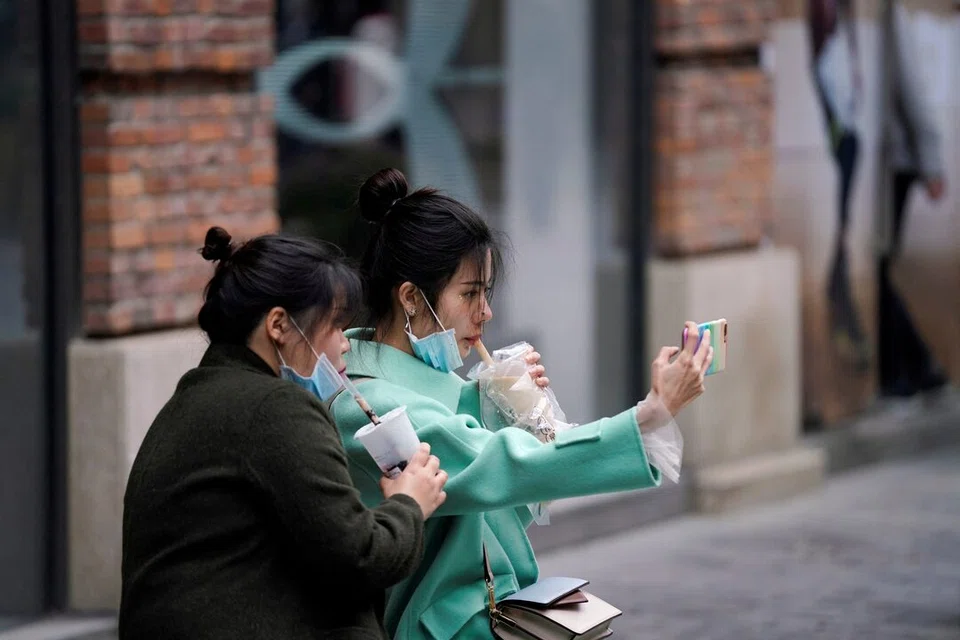
For instance, while Starbucks stores are built for productivity, milk tea shops are built for pleasure. They are smaller, brighter, and designed as places to pause, chat, or take a photo before moving on. Limited seating, open drink stations, and shareable aesthetics make them social touchpoints rather than workspaces.
I remember a team member of mine describing her first trip to Shanghai in her early 20s, how she dreamed of being one of those busy professionals, Starbucks cup in hand, on her way to a meeting. That aspiration made sense for a generation that believed in optimisation and hustle.
But talking to young people in China today, things have changed; they do not want to be more productive. Disillusioned by the constant rat race, terms like lying flat have been trending for the past several years.
Why work harder only to get laid off? Why spend more for a product with lower quality? The younger generation does not want another space to be productive.
Micro-joy
Like a Pop Mart character, milk tea is a small luxury. It’s instant gratification and emotional satisfaction at a reasonable price, ranging from eight Chinese yuan (S$1.45) to 35 Chinese yuan. This is important, as economic uncertainty has made large purchases feel risky.
Customisation options make the drink feel even more personal. Each tea can be customised to your specifications: how much sugar or ice you want, the temperature, and the combination of toppings.
However, brands are careful not to overwhelm with choices and keep their core menus manageable. What they do is refresh offerings with new, limited-edition, seasonal, or collaborative drinks.
Heytea’s special low-calorie drinks, in collaboration with fitness star Pamela Reif, and specific local offerings such as Shangshan’s Gaoligong Mountains Oolong Latte (a milk tea latte without coffee) show how brands keep a simple product new and exciting.
Working with celebrities and taking advantage of cultural moments creates genuine scarcity and social media buzz. It’s a solid marketing move, as customers feel like there’s always something new to discover, and it may not be there for long.
The lesson for brands outside China? Perpetual novelty, personalisation, and affordable pricing create repeat dopamine hits that can be more powerful than having big loyalty programmes.
Radical accessibility
As important as affordability is, milk tea is also easy to find. The stores are everywhere you look in China.
Similarly, local fast food chain Mixue did not become larger than McDonald’s by accident; it made its product accessible everywhere.
Integration with delivery platforms such as Meituan and Ele.me within China means customers can get that instant dopamine hit, without time to consider if it’s worth it.
Still, delivery alone won’t be enough, as physical proximity is key to milk tea brands’ success. Even in smaller cities such as Jingdezhen, where store footprints are not as dense, local tea brands thrive on foot traffic and delivery orders.
Accessibility is a luxury few brands can afford, but it’s also one of the strongest moats in a consumer business. For Milk tea brands, convenience is part of the experience, and while copying that will be challenging, it will also be rewarding.
Milk tea’s dominance in China offers a playbook for understanding the next wave of consumer behaviour across South-east Asia.
Whether you are evaluating opportunities in fashion, beauty, food, or services, the question is the same: Can this brand deliver affordable emotional satisfaction, perpetual novelty, and genuine surprise? TECH IN ASIA
Decoding Asia newsletter: your guide to navigating Asia in a new global order. Sign up here to get Decoding Asia newsletter. Delivered to your inbox. Free.
Share with us your feedback on BT's products and services