



Iran offers deal to US to reopen Hormuz strait and delay nuclear talks: report
The plan calls for extending the ceasefire so the parties can work toward a permanent end to the fighting
 Add BT as a preferred source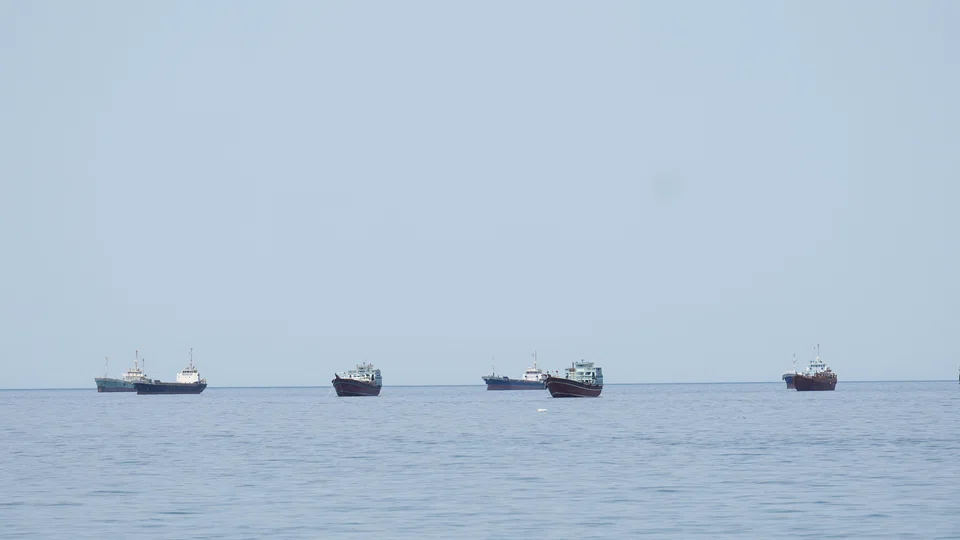
IRAN has given the US a new proposal to reopen the Strait of Hormuz and end the war that includes postponing nuclear negotiations, US media outlet Axios reported, citing a US official and two people with knowledge of the matter.
The plan, conveyed through mediators in Pakistan to break a stalemate with Washington, calls for extending the ceasefire so the parties can work toward a permanent end to the fighting, Axios said. Nuclear talks would come later, only after a US blockade of the Strait of Hormuz is lifted.
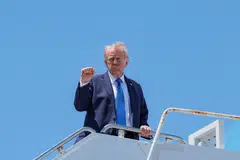
Pakistani mediators have given the proposal to the White House but it is unclear whether the US wants to explore it, Axios said. Trump plans to hold a meeting in the White House Situation Room on Monday (Apr 27) with national security and foreign policy officials, the news outlet reported.
“These are sensitive diplomatic discussions and the US will not negotiate through the press,” Olivia Wales, a White House spokesperson, said in a statement sent by email. “As the President has said, the United States holds the cards and will only make a deal that puts the American people first, never allowing Iran to have a nuclear weapon.”
Crude oil pared gains and Asian stocks extended advances in Monday trading following the Axios report, lifting sentiment after efforts to restart talks stalled. US equity-index futures erased earlier losses to rise 0.1 per cent.
Efforts to resume peace talks halted over the weekend after President Donald Trump cancelled a planned trip by his top envoys and the Islamic Republic said it will not negotiate so long as it is being threatened.
Trump on Saturday acknowledged a new plan from Iran, saying that the Islamic Republic quickly sent over a fresh proposal after he told his envoys to stand down on a trip to Pakistan for talks.
“Interestingly, immediately, when I cancelled it, within 10 minutes, we got a new paper that was much better,” Trump told reporters. Iran “offered a lot but not enough,” he added, without providing details.
Hormuz conundrum
While a ceasefire has largely held since early April, both countries continue to maintain a blockade of the Strait of Hormuz, making the key energy choke point virtually impassable. The disruption to about a fifth of the world’s oil flows has been dubbed the biggest supply shock in history by the International Energy Agency.
SEE ALSO
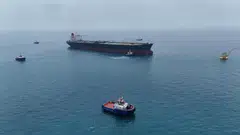
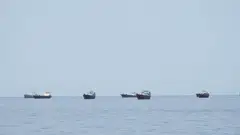

American forces implementing the blockade against Iranian ports have directed 38 ships to turn around or return to port, US Central Command said in a social media post.
Iran is in turn imposing its own blockade of Hormuz, using its “mosquito fleet” of gunboats. Daily transits are now close to zero, compared with about 135 before the conflict began Feb 28. The oil market faces a guaranteed supply loss of around one billion barrels – in part because of the time it would take to revive flows once the strait reopens, Vitol Group chief executive officer Russell Hardy said at the FT Commodities Global Summit.
Iranian Foreign Minister Abbas Araghchi met mediators in Pakistan on Saturday and left Islamabad well ahead of the planned arrival of the US envoys. He said in a social media post that Iran has “yet to see if the US is truly serious about diplomacy.”
Araghchi arrived in Russia for talks with President Vladimir Putin, Iran’s state-run IRNA news agency said on Monday. BLOOMBERG
Decoding Asia newsletter: your guide to navigating Asia in a new global order. Sign up here to get Decoding Asia newsletter. Delivered to your inbox. Free.
Share with us your feedback on BT's products and services
TRENDING NOW
DBS completes US$1 billion significant risk transfer deal, in first for Singapore bank

Malaysian tycoon Vincent Tan’s sell-downs point to pruning rather than an exit plan

Singapore private housing is ‘decoupling’ from HDB market as buyer pools diverge: NUS survey
Not in education, employment or training: Why more Hong Kong youths are opting out of work

