Trump says reopening of Strait of Hormuz ‘paused’, even as ceasefire remains
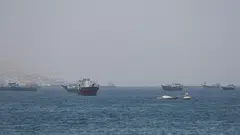
About 1,600 ships remain stranded in dangerous conditions at the strait
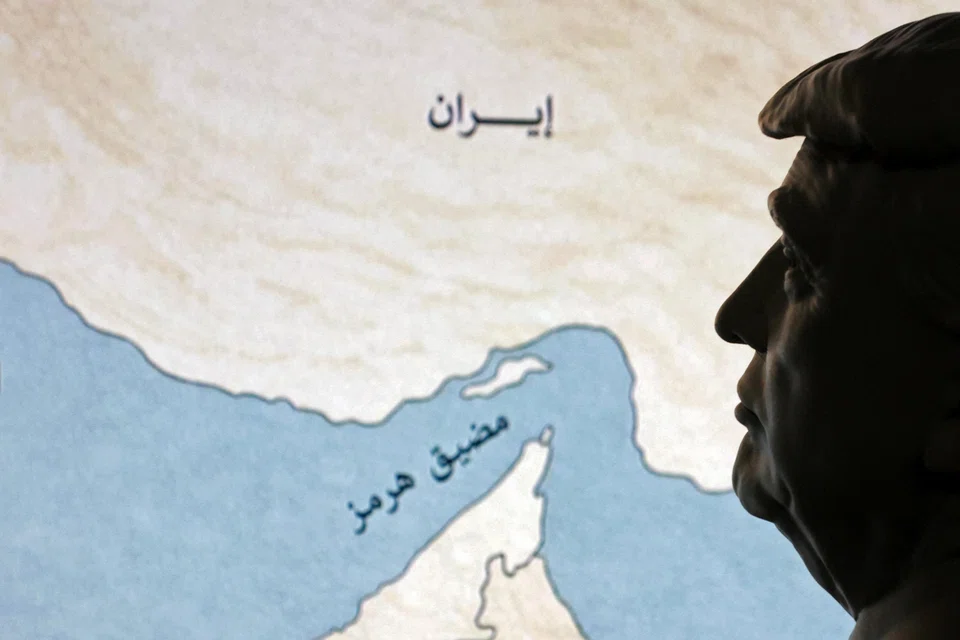
[WASHINGTON] US President Donald Trump and top US officials said on Tuesday (May 5) that a shaky ceasefire with Iran was holding despite new attacks by both sides after the US military launched an effort to reopen the Strait of Hormuz, which Iran has effectively shut down to most commercial ships.
Trump later said that the operation to reopen the Strait of Hormuz will be “paused” for a short period to see whether an agreement can be finalised and signed, although the blockade will remain in force.
Both the United States and Iran claim control of the strait, the vital oil shipping route off Iran’s southern coast. Only two ships were known to have passed through the waterway on Monday. None appear to have made the trip on Tuesday.
Defense Secretary Pete Hegseth said that the US was still working to free trapped vessels. “We are ensuring that we have control of that strait, which we do,” he said. Iran’s state broadcaster dismissed the US effort as a failure and said that Iranian control over the strait had “intensified”.
Hegseth described the US operation to open the strait, which began Monday, as defensive and temporary. “We are not looking for a fight,” he told reporters at the Pentagon. He and Gen. Dan Caine, the chair of the Joint Chiefs of Staff, said that the ceasefire remained in place, despite recent skirmishes.
Trump, speaking to reporters in the Oval Office, would not specify what Iranian actions would violate the ceasefire. The Iranians “know what to do”, he said, and “they know what not to do, more importantly”.
On Tuesday, the United Arab Emirates said that for the second day in a row, it had come under attack from Iranian missiles and drones, which its air defense systems were intercepting. Iran denied that it was behind the attacks. It was not immediately clear if the strikes had caused any casualties or damage.
On Monday, US Central Command said that US forces had shot down Iranian cruise missiles and drones aimed at US ships and commercial vessels the Navy was guiding through the Strait of Hormuz. The US military said that it had also destroyed six Iranian speedboats that had threatened the vessels.
Iranian state media reported that US forces had attacked two small boats carrying cargo from Oman to Iran, killing five civilians on Monday.
SEE ALSO

Caine said on Tuesday that Iran had attacked US forces more than 10 times since the ceasefire took effect in early April, but that the attacks had been “all below the threshold of restarting major combat operations at this point”.
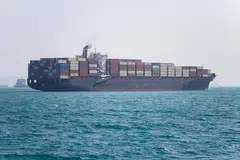
Hegseth said that two commercial vessels crossed the strait under US military protection on Monday, travelling through a sea lane cleared of mines by naval robots.
But about 1,600 ships remain stranded in dangerous conditions at the strait, and overall ship traffic is a trickle compared with before the war, when around 130 vessels a day made the passage. Oil and gas prices have spiked as a result, driving up costs for consumers and businesses around the world.
Secretary of State Marco Rubio said at a news briefing at the White House on Tuesday that the US effort to reopen the strait was aimed at freeing more than 20,000 sailors from dozens of countries who have been trapped in the region since the United States and Israel began attacking Iran in late February. At least 10 civilian sailors have been killed since the war began, he noted, using a figure that had also been cited by the United Nations.
Rubio said that the US military attack on Iran had ended, echoing arguments Trump made to Congress last week when he contended that he did not need to seek legislative approval for the war. Democrats and some legal experts have said that a Vietnam-era law requires Trump to seek congressional authorisation to continue the military operation.
“The operation is over,” Rubio said. “Epic Fury, as the president notified Congress, we are done with that stage of it. We are now on to this project of freedom.” Operation Epic Fury is the Trump administration’s name for the war on Iran. Project Freedom is the name for the effort to reopen the Strait of Hormuz, which Rubio said was defensive, not offensive.
Trump predicted that reopening the strait would eventually lead to lower gas prices, which averaged US$4.48 a gallon in the United States on Tuesday.
Iran’s navy, Trump said, has been so thoroughly destroyed that it is using “little boats with pea shooters”. But US intelligence agencies have acknowledged that Iran still has thousands of missiles and drones, as well as armed speedboats, that can harass commercial ships.
Caine described what he said was a defensive umbrella over the strait, comprising armed surveillance drones, Army attack helicopters, Air Force fighter jets, Navy warships, including two aircraft carriers, and 15,000 military personnel in the region.
Despite the formidable array of US firepower, most shipping companies may not feel safe enough to send their vessels through the strait, said Jack Kennedy, the head of Middle East and North Africa country risk at S&P Global Market Intelligence.
“Iran still retains the capacity to deter most transit through the strait with its asymmetric military capabilities,” Kennedy said.
At the centre of the conflict is the fate of Iran’s nuclear programme, which has been the subject of fitful negotiations between Iranian and US officials. The Trump administration says that it wants to ensure that Iran can never obtain a nuclear weapon. But more than two months after starting the war, the administration has outlined no clear path to achieve that goal.
“One way or another, hopefully, Iran chooses a deal that they give up those ambitions, give up those capabilities,” Hegseth said on Tuesday.
Pakistan, which has hosted negotiations between US and Iranian negotiators, said on Tuesday that a lasting peace agreement was needed both for the region and for the global economy.
“Obviously, it takes two to tango,” the Pakistani foreign minister, Ishaq Dar, said in a televised address. In a social media post, he also condemned the attacks on the United Arab Emirates and expressed his “full solidarity” with the country.
A parallel ceasefire in Lebanon, where Israeli forces have been battling Hezbollah, the Iranian-backed militia, has also come under growing strain.
On Tuesday, Israeli airstrikes and artillery fire targeted several southern Lebanese towns, according to Lebanon’s state-run news agency. Hezbollah said that it had launched drone attacks against Israeli troops in southern Lebanon.
Israeli and Lebanese government officials announced the ceasefire last month, but Hezbollah was not part of the negotiations, which the Trump administration hosted. Since then, Israel and Hezbollah have repeatedly accused each other of violating the truce. NYTIMES, REUTERS
Decoding Asia newsletter: your guide to navigating Asia in a new global order. Sign up here to get Decoding Asia newsletter. Delivered to your inbox. Free.
Share with us your feedback on BT's products and services