Trump unveils trade actions to secure key solar and semiconductor material
The move is aimed at protecting domestic polysilicon makers from Chinese competition
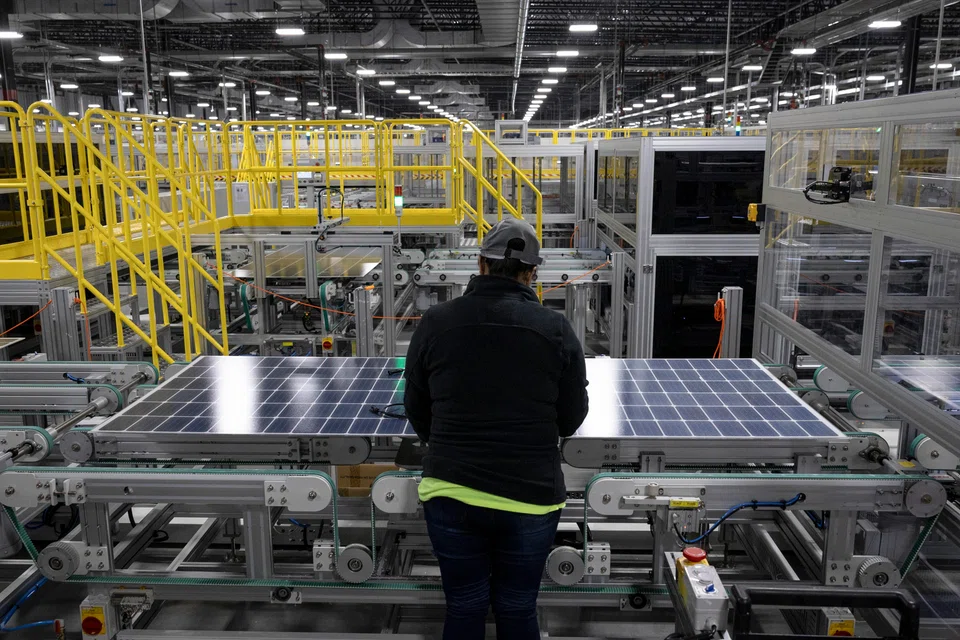
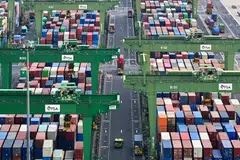
[WASHINGTON] The White House on Thursday (Aug 6) imposed a series of price floors and a 15 per cent tariff on products made from polysilicon, the raw material used in semiconductors and solar panels.
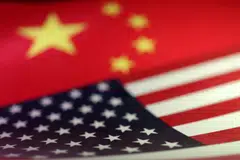
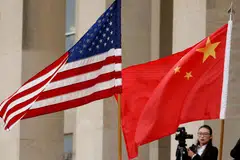
The proclamation under Section 232 of the Trade Expansion Act of 1962 by US President Donald Trump is aimed at protecting domestic polysilicon makers from Chinese competition.
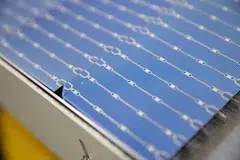
Polysilicon, an ultra-pure form of silicon, sits at the start of the semiconductor and solar manufacturing supply chains. Manufacturers turn silicon wafers into solar cells and then assemble those into panels used in solar projects.
The trade protections will take effect on Dec 4, the White House said.
According to a White House document, the president set minimum import prices of US$21 per kg for polysilicon, US$100 per kg for polysilicon ingots and wafers, US$0.22 per watt for solar cells and US$0.38 per watt for solar modules, or panels.
The proclamation also authorises the Commerce Department to create an incentive programme for companies that invest in factories to produce polysilicon or derivative products.
SEE ALSO
The administration’s plan to pursue a hybrid system combining a minimum import price with tariffs was first reported by Reuters. REUTERS
Decoding Asia newsletter: your guide to navigating Asia in a new global order. Sign up here to get Decoding Asia newsletter. Delivered to your inbox. Free.
Share with us your feedback on BT's products and services