
Trump vows 25% tariff on goods from Iran ‘business’ partners
The country has experienced weeks of mass unrest
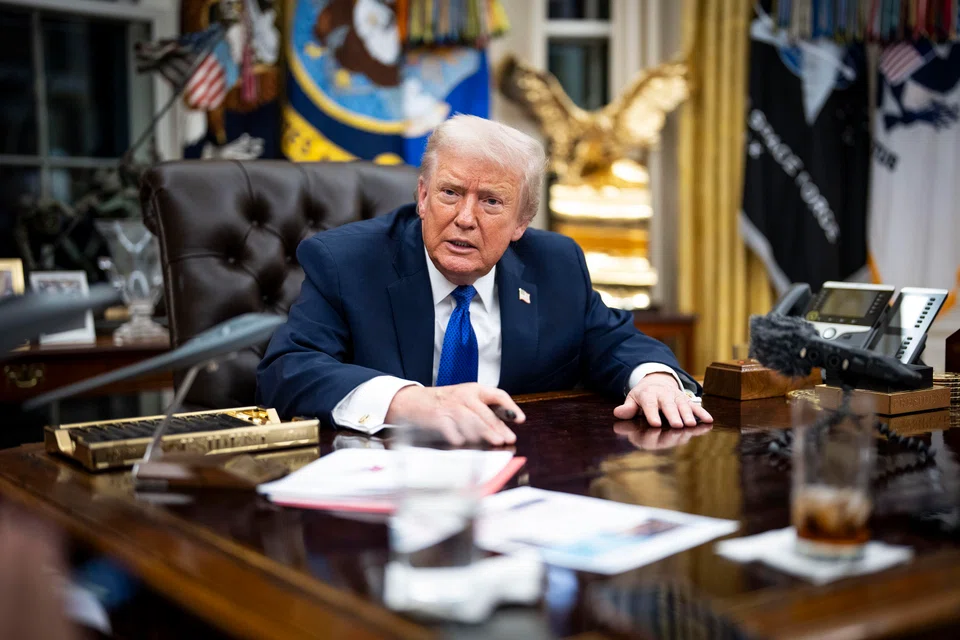
[WASHINGTON] US President Donald Trump said that he is imposing a 25 per cent tariff on goods from countries “doing business” with Iran, ratcheting up pressure on the government in Tehran that has been rocked by widespread protests.
Trump posted on social media on Monday (Jan 12) that the new duty would be “effective immediately”, without providing details about the scope or implementation of the charges. The action has the potential to disrupt major US trading relationships across the globe. Iran’s partners include not only neighboring states, but large economies including India, Turkey and China.
“Any country doing business with the Islamic Republic of Iran will pay a tariff of 25 per cent on any and all business being done with the United States of America. This order is final and conclusive,” he said.
Trump offered little clarity about how he defined “doing business with Iran”. The Islamic Republic’s major trading partners include India, Turkey and China.
The US president already imposed levies as high as 50 per cent on Indian goods tied to their purchase of Russian oil. An additional 25 per cent tariff hitting products from Beijing risks upsetting the trade truce Trump negotiated with Chinese President Xi Jinping late last year.
Iran has experienced weeks of mass unrest, which was initially sparked by a currency crisis and worsening economic conditions but has increasingly been aimed at the regime. It’s amounted to the biggest challenge to the Islamic Republic’s ruling system since 1979.
While Supreme Leader Ayatollah Ali Khamenei’s regime has weathered protests before, the demonstrations are spreading and drew hundreds of thousands of people, by some accounts, across the country over the weekend. Iranian authorities have sought to stamp out the protests with more than 500 people killed so far and more than 10,000 arrests, according to the Human Rights Activist News Agency.
Trump has openly backed the protesters and warned Tehran against violently repressing the demonstrations. In an interview on Fox News last week, he said the US would hit Iran “very hard” if it continued to shoot at protesters.
On Sunday, the US president told reporters that the Iranian leadership has reached out to seek talks and that a meeting is being set up, without offering details on timing. Still, he said that his administration is considering potential options and indicated he was coordinating with allies in response to Iran.
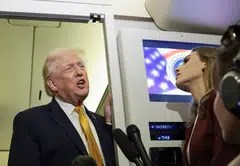
“We are looking at it very seriously. The military is looking at it, and we are looking at some very strong options,” Trump told reporters. “I’m getting an hourly report and we are going to make a determination.”
Trump has been briefed on a range of options for military strikes in Iran, including nonmilitary sites, a White House official said over the weekend. The US president is seriously considering authorising an attack, according to the official who requested anonymity to detail internal discussions.
Iranian Foreign Minister Abbas Araghchi has opened channels of communication with Trump’s Middle East envoy, Steve Witkoff, a spokesperson from the ministry said Monday.
Iran has warned the US and Israel, which coordinated to carry out strikes on nuclear facilities in the country last year, against any attempt to intervene. Tehran and Washington have not had formal diplomatic ties for decades.
Trump’s threats to Iran have the region on edge, coming on the heels of a US strike earlier this month in Venezuela – another oil-rich country – which led to the capture of strongman Nicolas Maduro. Should the US or its ally, Israel, intervene, that threatens to draw neighbouring countries into the crisis and risk access to the Strait of Hormuz, a key waterway for energy exporters. BLOOMBERG
Decoding Asia newsletter: your guide to navigating Asia in a new global order. Sign up here to get Decoding Asia newsletter. Delivered to your inbox. Free.
Share with us your feedback on BT's products and services