



Trump says ceasefire holding after fighting between the US and Iran flares; UAE comes under attack
UAE air defences engaging missile and drone threats from Iran early on May 8
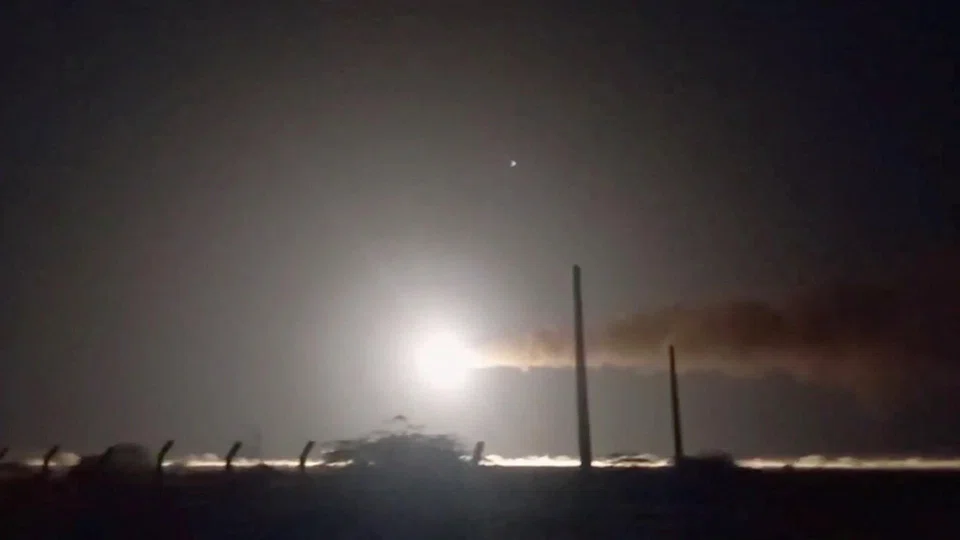
[WASHINGTON/CAIRO] US and Iranian forces clashed in the Gulf, and the UAE came under renewed attack, endangering a month-old ceasefire and shaking hopes for a diplomatic solution to the crisis.
The flare-up in fighting came as Washington awaited a response from Teheran to its proposal to end the conflict, which began with joint US-Israeli airstrikes across Iran on Feb 28.
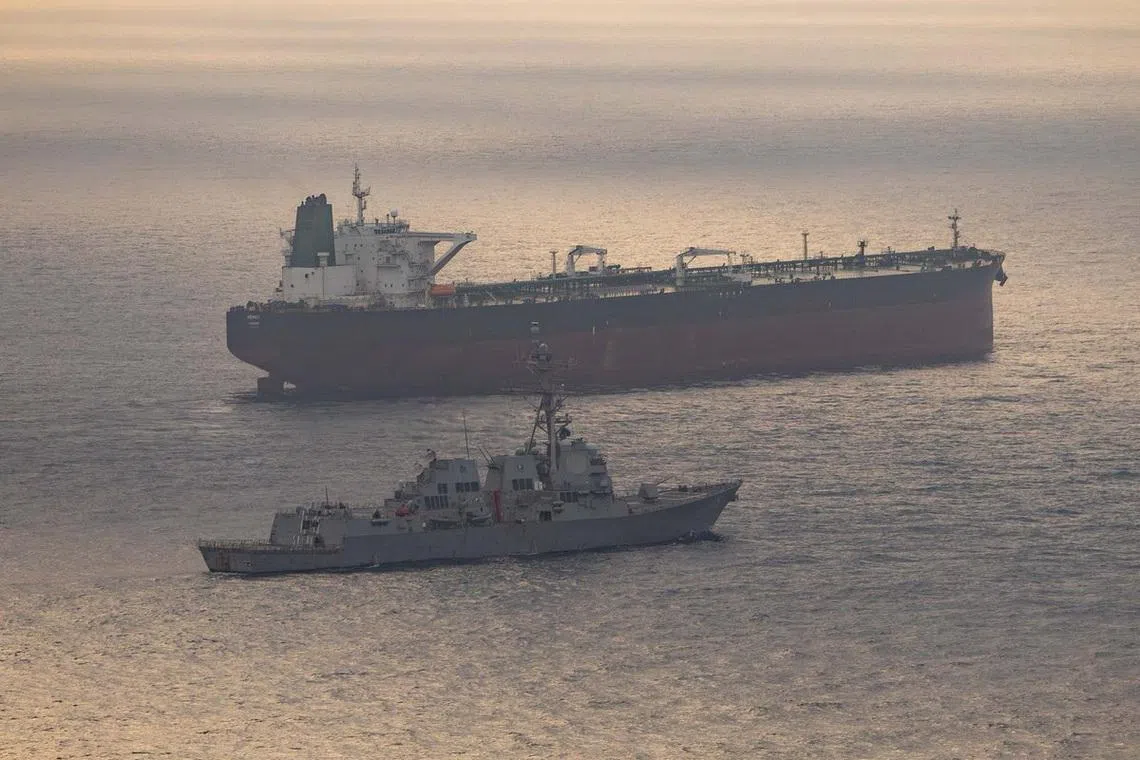
President Donald Trump said on Thursday three US Navy destroyers were attacked as they moved through the strait, a conduit for around a fifth of the world’s oil and liquefied natural gas flows that Iran has all but closed since the conflict started.
“Three World Class American Destroyers just transited, very successfully, out of the Strait of Hormuz, under fire. There was no damage done to the three Destroyers, but great damage done to the Iranian attackers,” Trump wrote on Truth Social.
Trump later told reporters the ceasefire was still in effect and sought to play down the exchange.
“They trifled with us today. We blew them away,” Trump said in Washington.
Iran’s top joint military command accused the US of violating the ceasefire by targeting an Iranian oil tanker and another ship, and of carrying out air attacks on civilian areas on Qeshm Island in the Strait of Hormuz and nearby coastal areas. The military said it responded by attacking US military vessels east of the strait and south of the port of Chabahar.
A spokesperson for Iran’s Khatam al-Anbiya Central Headquarters said the Iranian strikes inflicted “significant damage,” but US Central Command said none of its assets were hit.
Iran’s Press TV later reported that, following several hours of fire, “the situation on Iranian islands and coastal cities by the Strait of Hormuz is back to normal now.”

UAE air defences engaging Iranian threats
Meanwhile, UAE said its air defences were engaging missile and drone threats from Iran early on Friday. There were few details immediately available about the latest attack on the US ally.
US and Iran have occasionally exchanged gunfire since the ceasefire took effect on Apr 7, with Iran hitting targets in Gulf countries including the UAE. Teheran has often targeted the UAE and other Gulf countries, which host US bases, since the war began.
Oil prices rose in early trade in Asia on Friday, with Brent crude jumping above US$100 a barrel after the latest clashes, while stock prices retreated after strong gains this week on hopes for a swift resolution to the conflict.
“Despite ongoing hostilities and still-elevated oil prices, markets are pricing a limited duration,” said Marija Veitmane, head of equity research at State Street Markets.
Trump urges negotiated end to war
Trump suggested ongoing talks with Teheran remained on track despite Thursday’s hostilities, telling reporters, “We’re negotiating with the Iranians.”
Before the latest strikes, the US had floated a proposal that would formally end the conflict but did not address key US demands that Iran suspend its nuclear work and reopen the strait. Teheran said it had not yet reached a decision on the emerging plan.
Even so, Trump said Teheran had acknowledged his demand that Iran could never get a nuclear weapon, a prohibition he said was spelled out in the US proposal.
“There’s zero chance. And they know that, and they’ve agreed to that. Let’s see if they are willing to sign it,” Trump said.
Asked when any deal might be reached, Trump said, “It might not happen, but it could happen any day. I believe they want to deal more than I do.”
The war has tested Trump’s relationship with his US base of supporters, after he had campaigned against involving the United States in foreign wars and promised to bring down fuel prices.
Average US gasoline prices have climbed more than 40 per cent since late February, rising by about US$1.20 a gallon to more than US$4, according to data from the American Automobile Association, as disruptions to oil shipments through the Strait of Hormuz pushed crude oil prices higher. REUTERS
Decoding Asia newsletter: your guide to navigating Asia in a new global order. Sign up here to get Decoding Asia newsletter. Delivered to your inbox. Free.
Share with us your feedback on BT's products and services
TRENDING NOW

Grab CEO’s wife Chloe Tong on life with Anthony Tan and finding her purpose

Hwa Seng Builder, two China companies win S$1.2 billion Tuas Road Viaduct phase two contracts

Deal between tycoon friends sparks scrutiny of Philippine power sector
Canada is upping oil flows to Asia, but South-east Asia’s refineries aren’t ready to handle them yet

